 Pocket Botanist
Plant guide
Leatherleaf Fern.
Rumohra adiantiformis
Pronounced roo-MO-ruh ay-dee-an-ti-FOR-mis
Also known as 7-weeks-fern, Iron Fern, Knysna Fern, Leather fern, Leathery shield-fern, Seven Weeks Fern, Seven-Weeks Fern, Thirty-Days Fern



Scan with your phone's camera to get the app
Or go to pocketbotanist.app/get on your phone
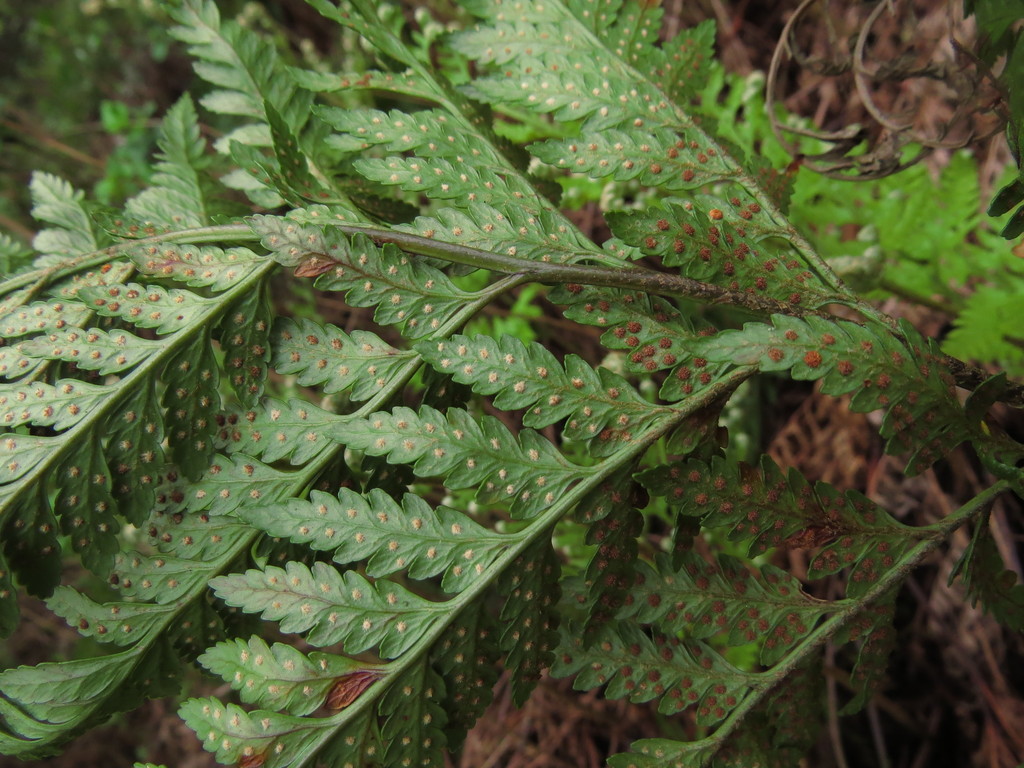
The leatherleaf fern is a classic, sturdy houseplant known for its glossy, deep green fronds. It thrives in humid environments and makes a wonderful addition to hanging baskets or shaded spots. Its resilient nature makes it a favorite for both indoor displays and floral arrangements.

At a glance
- Care level
- Easy
- Plant type
- Fern
- Light
- Partial shade to full shade
- Indoor light
- Medium light
- Water
- Every 3 to 7 days
- Mature size
- 60 to 90 cm
- Growth rate
- Medium
- Hardiness
- USDA 8 to 11
- Bloom time
- Does not bloom
Care
Keep the soil consistently moist but never soggy to prevent root issues. Watch for brown, crispy leaf tips which often signal that the air is too dry. Provide bright, indirect light to maintain its lush, deep green color.
- Watering
- Keep the soil evenly moist to the touch at all times.
- Feeding
- Use a balanced liquid fertilizer diluted to half strength during the growing season.
- Pruning
- Trim away any yellowing or damaged fronds at the base to encourage new growth.
- Repotting
- Repot when the rhizomes have filled the container or the soil has broken down.
- Soil
- Well-draining, peat-based potting mix
- Soil pH
- 5.5 to 6.5
- Temperature
- 5 to 28°C
- Humidity
- 60 to 90%
- Drought tolerance
- Low
- Lifespan
- Perennial, typically 5 to 10 years with proper care.
- Deer and rabbits
- Moderate
Signs it needs repotting
- Roots growing out of the drainage holes.
- Water sitting on top of the soil for too long.
- The plant stops growing during the active season.
Safety
- People
- This fern is generally considered non toxic to humans.
- Pets
- This plant is generally considered non-toxic to cats and dogs.
- Children
- Keep away from small children to prevent ingestion of fronds or soil.
- Edibility
- This plant is not considered edible and should not be consumed.
How to identify it
- Glossy, leathery dark green fronds
- Triangular, finely divided leaflets
- Creeping rhizomes along soil surface
- Sori arranged in rows on underside
- Height
- 0.6 to 0.9m
- Spread
- 0.6 to 1.2m
- Leaves
- dark green, glossy, evergreen
- Flowers
- 0cm
Problems to watch for
- Brown Leaf EdgesCommon
- Frond BrowningCommon
- Root RotCommon
- Scale InsectsCommon
- Fungus GnatsUncommon
- MealybugsUncommon
- Spider MitesUncommon
- Tip BurnUncommon
Check your leatherleaf fern from a photo
Pocket Botanist looks at a photo of your plant and tells you what's wrong and what to try first.
Scan with your phone's camera to get the app
Or go to pocketbotanist.app/get on your phone
Growing it
- Propagation
- division, spores
- When to plant
- spring, early autumn
- Overwintering
- Bring containers indoors before the first frost. Keep the plant in a bright room away from cold drafts and heaters.
- In containers
- It grows very well in containers, provided the pot has excellent drainage and is at least 20 cm wide.
Division
- 1. Gently remove the plant from its pot.
- 2. Use a clean knife to divide the root mass into sections.
- 3. Replant each section into fresh, well draining potting mix.
Group this fern with other moisture loving plants to create a microclimate that boosts ambient humidity.
Grows well with
- Peace Lily · They share similar requirements for shade and high humidity.
- Bird's Nest Fern · They create a beautiful textural contrast in a shaded corner.
Similar species
- Boston Fern · Both are popular indoor ferns that thrive in similar light conditions.
Science
- Family
- Dryopteridaceae
- Genus
- Rumohra
- Order
- Polypodiales
- Class
- Polypodiopsida
- Native range
- Southern Hemisphere including South Africa, South America, and Australia.
- Conservation
- Not currently of conservation concern.
It grows as an epiphyte or terrestrial plant in moist, shaded forest understories.
- Uses
- houseplant, floral arrangements, groundcover in warm climates
Through the year
Ecological indicators
- Salinity
- 1/9
- Soil reaction
- 5/9
- Light
- 3/9
- Nutrients
- 5/9
- Temperature
- 7/9
- Moisture
- 7/9
Taxonomy resolved against GBIF.
Questions people ask
- Does it need direct sunlight?
- No, it prefers bright, indirect light and will burn in direct sun.
- How often should I water it?
- Keep the soil consistently moist but never waterlogged.
Where the name comes from
The genus name Rumohra honors the German art historian and patron Karl Friedrich von Rumohr, while adiantiformis means shaped like an Adiantum fern.
Good to know
- It is commonly called the leatherleaf fern because of its thick, leathery fronds.
- It is native to many parts of the Southern Hemisphere.
- It is a popular choice for wedding bouquets.
Also in
Keep your leatherleaf fern growing
This page is a general guide. Save your plant in Pocket Botanist and you get care reminders timed for this plant, plus a care history that shows what worked.
Scan with your phone's camera to get the app
Or go to pocketbotanist.app/get on your phone
This guide was generated with AI on and checked against GBIF taxonomy. It is general information, not horticultural or veterinary advice. Read about how we build these guides.