 Pocket Botanist

Check these first
- Check if the soil is waterlogged or muddy.
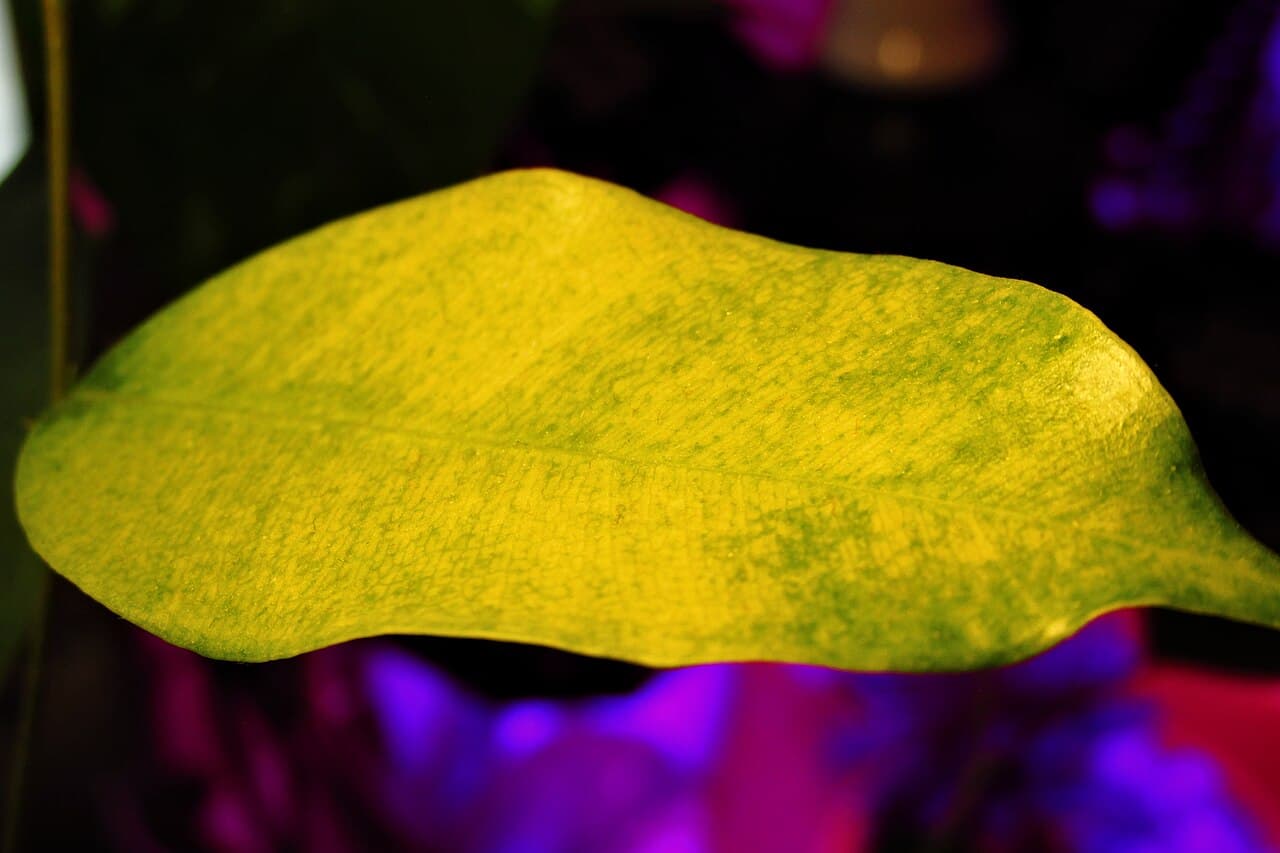
- Look for yellowing on the older leaves versus the new growth.
- Test the soil pH if the yellowing is widespread.
Likely causes
Poor Drainage
Most likelyHow to tell: Leaves turn yellow and may drop off, especially if the soil stays soggy after rain.
What to do: Improve soil drainage by amending the surrounding area with organic matter. Avoid planting in low spots where water pools.
Nutrient Deficiency
PossibleHow to tell: Leaves turn a pale yellow while the veins remain green, often indicating an iron issue.
What to do: Test your soil pH, as Black Locust prefers slightly acidic to neutral soil. If the pH is too high, the tree cannot absorb necessary nutrients.
Find out what's wrong with your black locust
The list above covers the usual causes. Pocket Botanist looks at a photo of your actual plant and tells you the likely cause, how serious it is, and what to try first. Identification and a health check are free.



Scan with your phone's camera to get the app
Or go to pocketbotanist.app/get on your phone
When to worry
Yellowing is normal in autumn as the tree prepares for winter. Worry if it happens in mid-summer or if the leaves are falling rapidly.
Stopping it coming back
Ensure the tree is planted in well-draining soil and avoid over-fertilizing.
Black Locust: yellow leaves? Check yours with a photo
Every plant is a little different. Take a photo of your black locust and Pocket Botanist tells you which cause is most likely, how serious it is, and what to try first. A few checks a day are free. Save the plant and you get care reminders timed for it.
Scan with your phone's camera to get the app
Or go to pocketbotanist.app/get on your phone
Get the app · Or check it from a photo now, free
Questions people ask
- Can I fertilize my tree to fix the yellowing?
- Only fertilize if a soil test confirms a nutrient deficiency. Over-fertilizing can actually stress the tree further.
- Is yellowing always a disease?
- No, it is often a reaction to environmental stress like too much water or a change in soil pH.
More problems with Black Locust
Back to the Black Locust guide
This article was generated with AI on from the plant’s care profile and is general information, not horticultural advice. Read about how we build these guides.