 Pocket Botanist

Check these first
- Stick your finger two inches into the soil to check for dampness.
- Look for signs of standing water around the base of the plant.
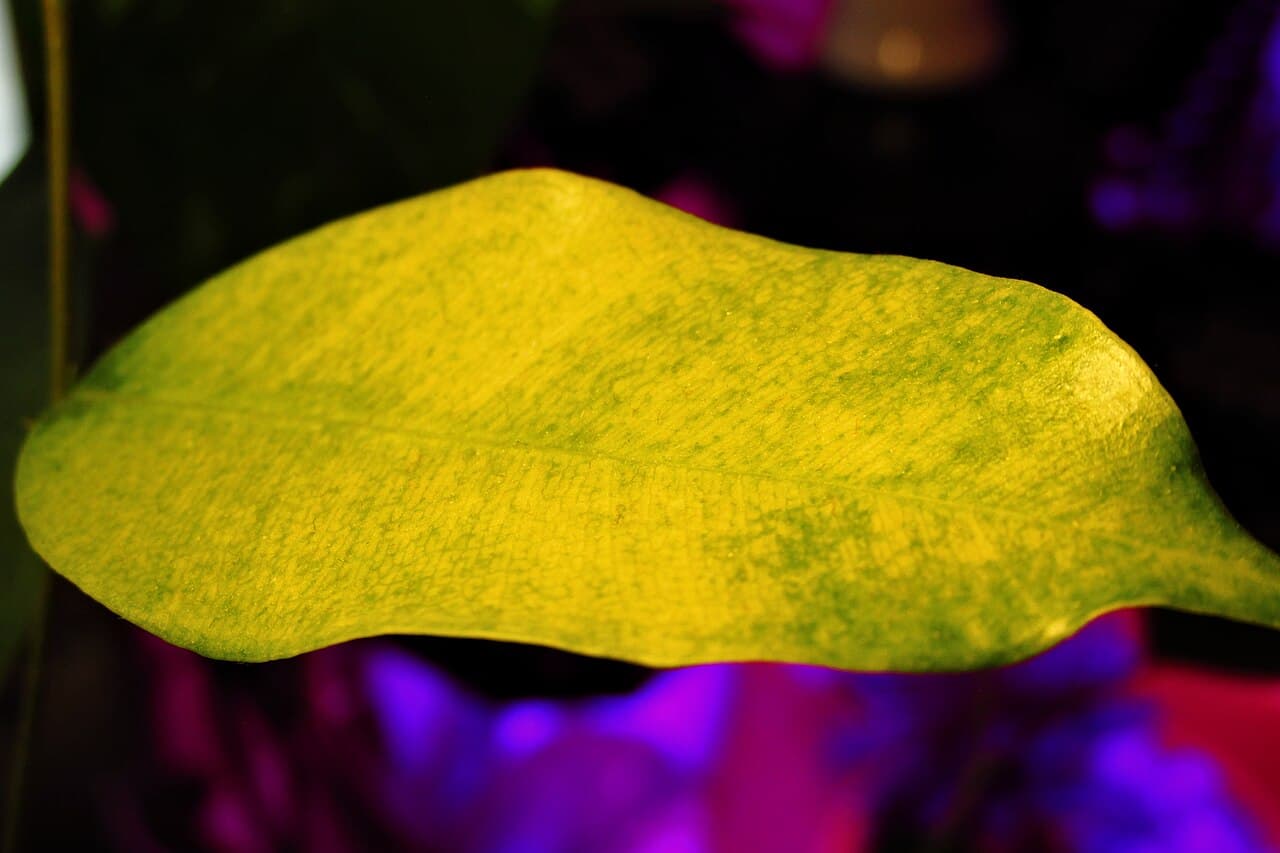
- Check if the yellowing is concentrated on the oldest leaves.
Likely causes
Overwatering
Most likelyHow to tell: The soil feels soggy or swampy to the touch. The yellowing often starts on the lower leaves first.
What to do: Let the soil dry out completely between waterings. Since this plant is drought tolerant, you only need to water every 7 to 14 days.
Nutrient Deficiency
PossibleHow to tell: The leaves turn a pale, uniform yellow, often starting with the older growth. This happens if the soil has been depleted of nutrients over several seasons.
What to do: Apply a balanced, slow release fertilizer once in the early spring. Do not overdo it, as this plant is very efficient at gathering nutrients.
Find out what's wrong with your japanese knotweed
The list above covers the usual causes. Pocket Botanist looks at a photo of your actual plant and tells you the likely cause, how serious it is, and what to try first. Identification and a health check are free.



Scan with your phone's camera to get the app
Or go to pocketbotanist.app/get on your phone
When to worry
It is normal for a few old leaves to yellow and drop in late summer. Worry if the yellowing is rapid and affects the entire plant.
Stopping it coming back
Ensure the soil has good drainage and avoid keeping the roots constantly wet.
Japanese knotweed: yellow leaves? Check yours with a photo
Every plant is a little different. Take a photo of your japanese knotweed and Pocket Botanist tells you which cause is most likely, how serious it is, and what to try first. A few checks a day are free. Save the plant and you get care reminders timed for it.
Scan with your phone's camera to get the app
Or go to pocketbotanist.app/get on your phone
Get the app · Or check it from a photo now, free
Questions people ask
- Is my plant dying?
- Probably not. Japanese knotweed is very hard to kill and usually recovers quickly once the soil moisture is corrected.
- Should I cut off the yellow leaves?
- Yes, you can trim them off to keep the plant looking tidy.
More problems with Japanese knotweed
Back to the Japanese knotweed guide
This article was generated with AI on from the plant’s care profile and is general information, not horticultural advice. Read about how we build these guides.