 Pocket Botanist
Plant guide
Black poplar.
Populus nigra
Pronounced POP-yoo-lus NY-gruh
Also known as Black poplar, Black-poplar, Lombardy poplar, Lombardy's poplar



Scan with your phone's camera to get the app
Or go to pocketbotanist.app/get on your phone
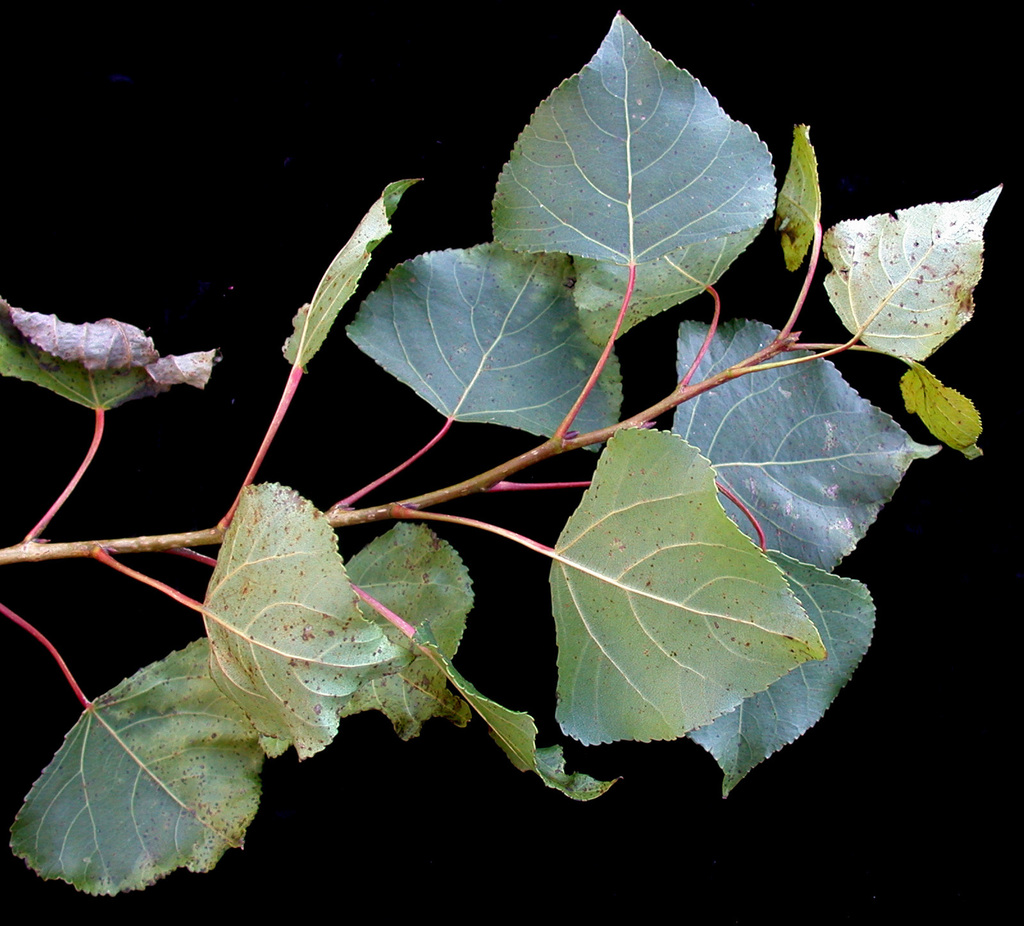
The black poplar is a majestic deciduous tree known for its wide, spreading crown and dark, deeply fissured bark. It thrives in moist soils near riverbanks and wetlands. This tree is a classic feature of European landscapes and provides excellent habitat for local wildlife.
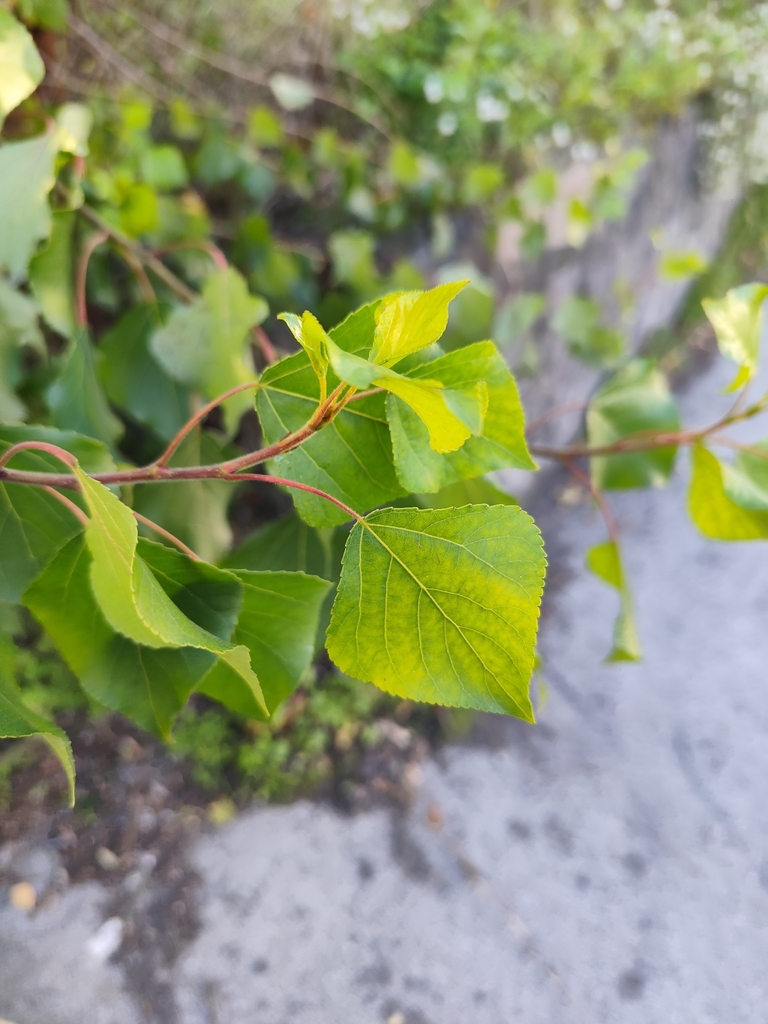
At a glance
- Care level
- Easy
- Plant type
- Deciduous tree
- Light
- Full sun
- Indoor light
- Direct sun
- Water
- Every 7 to 14 days
- Mature size
- 30 meters
- Growth rate
- Fast
- Hardiness
- USDA 3 to 9
- Bloom time
- Early to mid spring
Care
Plant this tree in a location with plenty of space for its expansive root system. Keep the soil consistently moist, especially during the first few years of growth. Watch for signs of leaf rust or pests like aphids during the warmer months.
- Watering
- Keep the soil consistently moist but not waterlogged.
- Feeding
- Apply a balanced fertilizer in early spring to support healthy growth.
- Pruning
- Prune during the dormant winter season to remove dead or crossing branches.
- Repotting
- Repotting is generally not applicable for mature trees planted in the ground.
- Soil
- Moist, fertile, well-draining soil
- Soil pH
- Neutral to slightly alkaline
- Temperature
- -30 to 35°C
- Humidity
- 40 to 70%
- Drought tolerance
- Low
- Lifespan
- Perennial, typically 100 to 200 years or more.
- Deer and rabbits
- Moderate
Safety
- People
- The tree is generally non-toxic, but the resin may cause mild irritation in sensitive individuals.
- Children
- The wood is relatively brittle and prone to dropping branches, so avoid planting near play areas.
- Contact allergens
- The sticky resin on buds can cause contact dermatitis in some people.
- Airborne allergens
- The windborne pollen is a significant allergen during the spring flowering season.
- Edibility
- The buds and leaves are not for human consumption due to bitter compounds.
How to identify it
- Deeply furrowed dark grey bark
- Triangular or diamond shaped leaves
- Spreading crown with thick branches
- Catkins appear before leaves in spring
- Height
- 20 to 30m
- Spread
- 10 to 20m
- Leaves
- green, deciduous
- Flowers
- red, yellow, 5 to 10cm
- Fruit
- white, late spring
Problems to watch for
- Poplar rust · A fungal infection causing yellow or orange spots on the leaves.
- Aphids · Small insects that feed on sap and produce sticky honeydew.
Check your black poplar from a photo
Pocket Botanist looks at a photo of your plant and tells you what's wrong and what to try first.
Scan with your phone's camera to get the app
Or go to pocketbotanist.app/get on your phone
Growing it
- Propagation
- cuttings, seed
- When to plant
- spring, autumn
- Overwintering
- No special care is needed as it is fully hardy. Ensure the soil remains well drained during the dormant winter months.
- In containers
- This tree is not suitable for containers due to its massive size and extensive root system.
Plant these in large open spaces where their extensive root systems have plenty of room to spread without hitting pipes.
Grows well with
Similar species
- White Poplar · It has similar growth habits but features distinct white undersides on the leaves.
- Aspen · It is a related species that also spreads via suckers but stays smaller.
Science
- Family
- Salicaceae
- Genus
- Populus
- Order
- Malpighiales
- Class
- Magnoliopsida
- Native range
- Europe, Western Asia, and North Africa.
- Conservation
- It is considered a threatened species in parts of its native range due to hybridization with introduced poplars.
It thrives in riparian zones and floodplains where it can access constant moisture.
- Value to wildlife
- larval host plant, nesting habitat
- Pollinators
- bees, butterflies
- Uses
- windbreak, ornamental, timber, erosion control
Through the year
Ecological indicators
- Salinity
- 2/9
- Soil reaction
- 6/9
- Light
- 8/9
- Temperature
- 5/9
- Moisture
- 7/9
- Nutrients
- 6/9
Taxonomy resolved against GBIF.
Questions people ask
- Is this tree good for small gardens?
- No, it is far too large and has an aggressive root system that can damage foundations.
- Why does it drop white fluff in spring?
- That is the seed dispersal mechanism, which uses tiny hairs to carry seeds on the wind.
Where the name comes from
The name Populus nigra refers to the dark bark of the tree compared to other species. It is commonly called the Black Poplar.
Good to know
- It has been cultivated in Europe since the 17th century.
- The wood is very light and was historically used for making clogs.
- It is a fast growing tree that can reach full size in just a few decades.
Keep your black poplar growing
This page is a general guide. Save your plant in Pocket Botanist and you get care reminders timed for this plant, plus a care history that shows what worked.
Scan with your phone's camera to get the app
Or go to pocketbotanist.app/get on your phone
This guide was generated with AI on and checked against GBIF taxonomy. It is general information, not horticultural or veterinary advice. Read about how we build these guides.