 Pocket Botanist
Plant guide
Balloon flower.
Platycodon grandiflorus
Pronounced plat-ee-KOH-don gran-di-FLOR-us
Also known as Balloon-flower, Chinese-bellflower, balloon flower, platycodon



Scan with your phone's camera to get the app
Or go to pocketbotanist.app/get on your phone
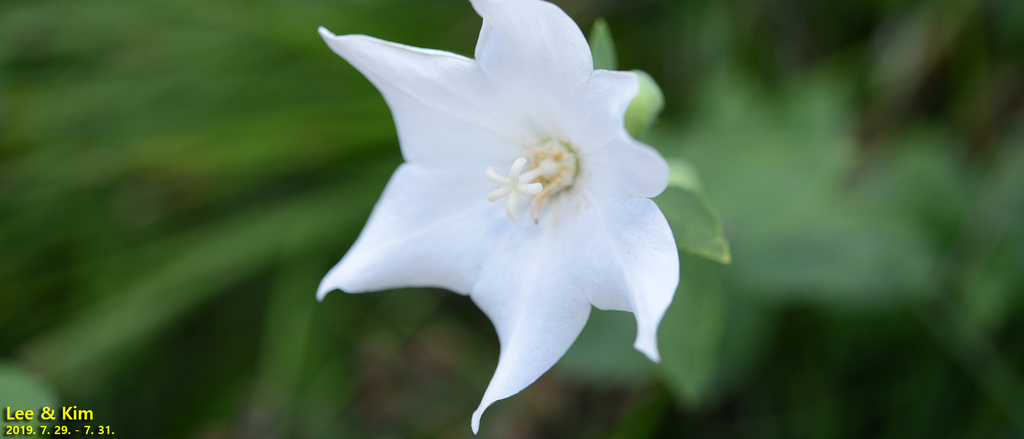
The balloon flower is a charming perennial known for its unique, inflated flower buds that pop open like stars. It's a hardy plant that brings a lovely touch of blue or purple to garden beds. You'll find it's quite reliable once it gets settled in your garden.

At a glance
- Care level
- Easy
- Plant type
- Perennial
- Light
- Full sun to partial shade
- Indoor light
- Direct sun
- Water
- Every 5 to 7 days
- Mature size
- 31 inches tall
- Growth rate
- Medium
- Hardiness
- USDA 3 to 9
- Bloom time
- Mid to late summer
Care
Plant in well draining soil and avoid disturbing the roots once established. Watch for yellowing leaves which often signal overwatering or poor drainage. Deadhead spent blooms to encourage a second flush of flowers throughout the summer.
- Watering
- Keep the soil consistently moist but never soggy to prevent root rot.
- Feeding
- Apply a balanced liquid fertilizer once a month during the active growing season.
- Pruning
- Remove faded flowers regularly to keep the plant tidy and promote new growth.
- Repotting
- Only repot when the plant becomes root bound as it dislikes having its roots disturbed.
- Soil
- Well draining loamy soil
- Soil pH
- 6.0 to 7.5
- Temperature
- -40 to 35°C
- Humidity
- 40 to 60%
- Drought tolerance
- Moderate
- Lifespan
- Perennial, typically 5 to 10 years.
- Deer and rabbits
- Moderate
Signs it needs repotting
- Roots growing out of the drainage holes.
- Water sitting on the surface instead of soaking in.
- The plant looks stunted despite regular care.
Safety
- People
- The plant is generally considered non-toxic, though the roots contain saponins that can cause irritation if ingested in large quantities.
- Pets
- This plant is generally considered non toxic to cats and dogs.
- Children
- The plant is safe for children, but the roots should be kept away from small hands to prevent accidental ingestion.
- Edibility
- While the roots are used in traditional medicine and some culinary contexts, they should not be consumed without professional guidance due to potential processing requirements.
How to identify it
- Inflated balloon like flower buds
- Star shaped five petaled flowers
- Blue, purple, pink, or white blooms
- Serrated ovate blue green leaves
- Milky sap in stems and roots
- Height
- 0.3 to 0.8m
- Spread
- 0.3 to 0.45m
- Leaves
- blue-green, deciduous
- Flowers
- blue, purple, white, pink, 5 to 8cm
Problems to watch for
- Crown rot · This occurs when the soil stays too wet, especially during winter dormancy.
- Slugs · These pests often feed on the tender new shoots in early spring.
Check your balloon flower from a photo
Pocket Botanist looks at a photo of your plant and tells you what's wrong and what to try first.
Scan with your phone's camera to get the app
Or go to pocketbotanist.app/get on your phone
Growing it
- Propagation
- division, seed
- When to plant
- spring, early autumn
- Overwintering
- Cut the stems back to the ground after the first hard frost. Ensure the soil has excellent drainage to prevent the crown from rotting during wet winters.
- In containers
- They grow well in pots at least 30 centimeters deep to accommodate their long taproot.
Seed
- Sow seeds in a seed tray in early spring.
- Keep the soil moist and in a bright location.
- Transplant seedlings once they have two sets of true leaves.
Division
- Carefully dig up the plant in early spring.
- Use a sharp knife to divide the root mass.
- Replant immediately in well-draining soil.
Plant them near other late-emerging perennials so you do not accidentally dig up the spot before they appear.
Grows well with
- Daylily · They share similar sun and water requirements while providing a different foliage texture.
- Coneflower · These provide a nice height contrast and bloom at the same time.
Similar species
- Bellflower · They share the classic bell-shaped flower aesthetic.
Science
- Family
- Campanulaceae
- Genus
- Platycodon
- Order
- Asterales
- Class
- Magnoliopsida
- Native range
- East Asia, including China, Korea, Japan, and parts of Siberia.
- Conservation
- This plant is common in its native range and not currently of conservation concern.
It thrives in open, sunny meadows and rocky slopes where it can establish its deep taproot.
- Value to wildlife
- nectar source
- Pollinators
- bees, butterflies
- Uses
- perennial borders, rock gardens, container gardening, cut flowers
Through the year
Ecological indicators
- Salinity
- 2/9
- Soil reaction
- 6/9
- Light
- 7/9
- Temperature
- 5/9
- Moisture
- 5/9
- Nutrients
- 5/9
Taxonomy resolved against GBIF.
Questions people ask
- Why is my balloon flower not coming up?
- They are notoriously late to wake up in the spring, so wait until late May before assuming they have died.
- Can I move my balloon flower?
- They have deep taproots and really dislike being moved, so choose your spot carefully.
Where the name comes from
The genus name Platycodon comes from the Greek words for broad and bell, referring to the flower shape, while grandiflorus means large-flowered.
Good to know
- The roots are a staple in Korean cuisine, often prepared as a side dish called doraji-namul.
- Balloon flowers are very slow to emerge in the spring, so do not panic if you do not see them until late May.
- The flowers are technically bell-shaped but look like stars when fully open.
Keep your balloon flower growing
This page is a general guide. Save your plant in Pocket Botanist and you get care reminders timed for this plant, plus a care history that shows what worked.
Scan with your phone's camera to get the app
Or go to pocketbotanist.app/get on your phone
This guide was generated with AI on and checked against GBIF taxonomy. It is general information, not horticultural or veterinary advice. Read about how we build these guides.