 Pocket Botanist
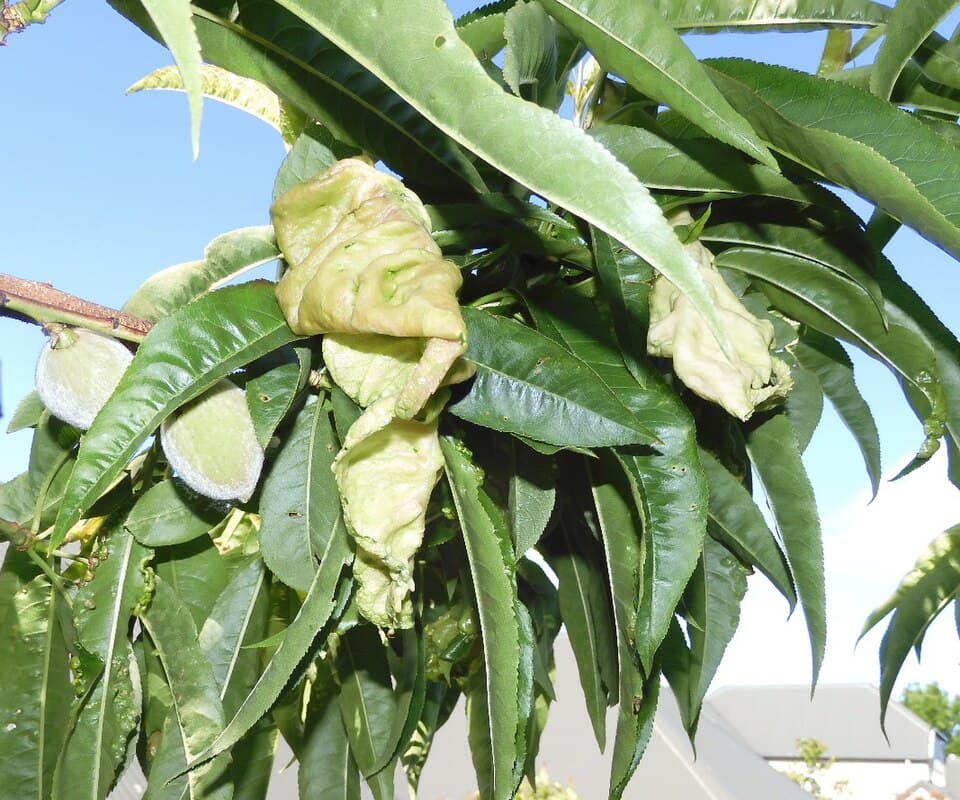

Check these first
- Inspect the undersides of the curled leaves for small bumps.
- Check if the soil feels completely dry and hard.
- Look for tiny insects on the new growth tips.
Likely causes
Pittosporum psyllid
Most likelyHow to tell: You will see small, raised bumps or pits on the leaves, often causing them to curl or distort. These are caused by tiny insects feeding on the new growth.
What to do: Prune off the heavily infested tips and dispose of them in the trash. You can apply a horticultural oil or insecticidal soap to the new growth in spring to deter the adults.
Water stress
PossibleHow to tell: This is less common for this plant, but leaves may curl if the soil has been bone dry for too long. The leaves will feel brittle and dry to the touch.
What to do: Check the soil moisture and water deeply if the top inch is dry. Ensure you water every 7 to 14 days to keep the root zone consistently hydrated.
Find out what's wrong with your kohuhu
The list above covers the usual causes. Pocket Botanist looks at a photo of your actual plant and tells you the likely cause, how serious it is, and what to try first. Identification and a health check are free.



Scan with your phone's camera to get the app
Or go to pocketbotanist.app/get on your phone
When to worry
Psyllid damage is mostly cosmetic and rarely kills the plant, though it looks unsightly. If the curling is severe and affects the whole plant, it may be struggling with overall health.
Stopping it coming back
Keep the plant healthy and vigorous with proper watering and light, as stressed plants are more prone to psyllid attacks.
Kohuhu: curling leaves? Check yours with a photo
Every plant is a little different. Take a photo of your kohuhu and Pocket Botanist tells you which cause is most likely, how serious it is, and what to try first. A few checks a day are free. Save the plant and you get care reminders timed for it.
Scan with your phone's camera to get the app
Or go to pocketbotanist.app/get on your phone
Get the app · Or check it from a photo now, free
Questions people ask
- Are the bumps on my leaves a disease?
- No, they are caused by the Pittosporum psyllid. These insects create a protective home for themselves on the leaf surface.
- Should I use a systemic pesticide?
- It is usually not necessary. Pruning the affected tips and using a simple insecticidal soap is safer and effective for most home gardens.
More problems with Kohuhu
- Why are there bumps on my Kohuhu leaves?
- What are these spots on my Kohuhu leaves?
- Why is my Pittosporum tenuifolium looking so leggy?
- Why is my Kohuhu losing its leaves?
- Why are my Kohuhu leaves turning yellow?
- Why are my Pittosporum tenuifolium leaf tips turning brown?
- Why is my Pittosporum tenuifolium drooping?
- How do I know if my Pittosporum has root rot?
This article was generated with AI on from the plant’s care profile and is general information, not horticultural advice. Read about how we build these guides.