 Pocket Botanist
Pflanzenratgeber
Scots Pine.
Pinus sylvestris
Aussprache PY-nus sil-VES-tris
Auch bekannt als Native Scots Pinewood


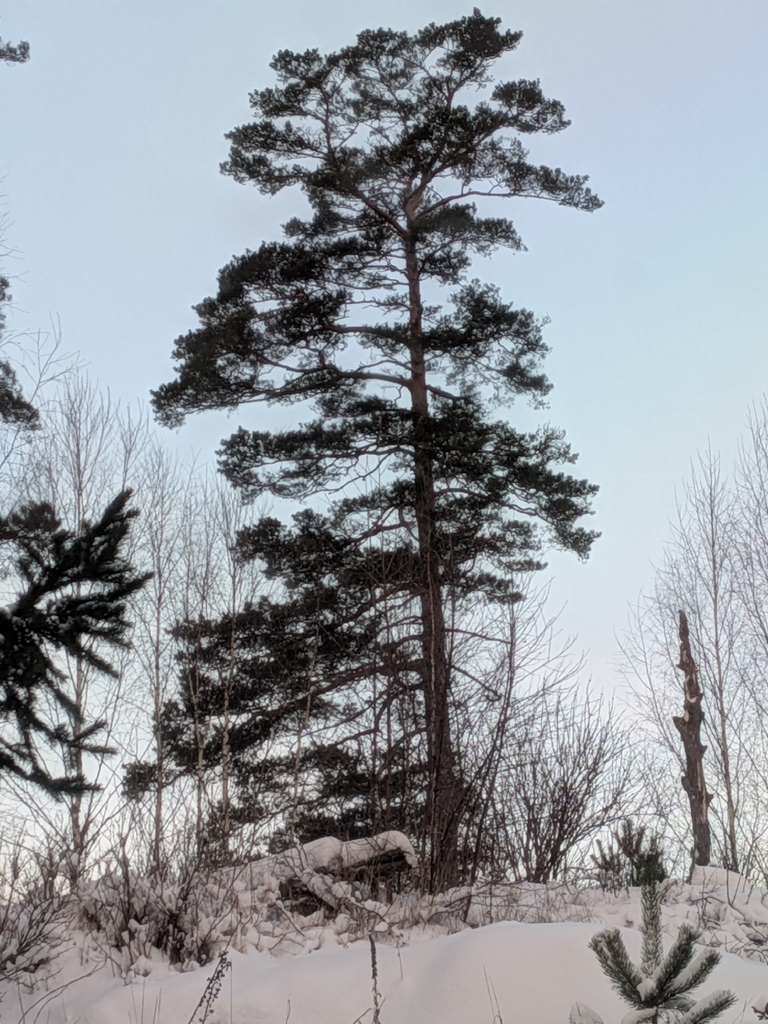
The Scots Pine is a rugged evergreen conifer known for its iconic orange red bark and twisted needles. It is a hardy tree that thrives in a variety of climates and adds a classic woodland feel to any landscape. You will love how its character develops as it ages.

Auf einen Blick
- Pflegestufe
- Einfach
- Pflanzenart
- Coniferous evergreen tree
- Licht
- Full sun
- Licht im Innenraum
- Direkte Sonne
- Gießen
- Alle 7 bis 14 Tage
- Endgröße
- 30 to 50 feet
- Wachstum
- Mittel
- Winterhärte
- USDA 2 bis 7
- Blütezeit
- Late spring
Pflege
Plant this tree in a spot with plenty of room for its roots to spread. Keep an eye out for needle drop or yellowing which might suggest poor drainage or pest issues. It is quite self sufficient once established in the ground.
- Gießen
- Water deeply during the first few years until the root system is well established.
- Düngen
- Apply a balanced slow release fertilizer in early spring to encourage healthy growth.
- Schneiden
- Prune during the dormant season to remove dead or damaged branches.
- Umtopfen
- If grown in a container, move to a larger pot every few years to prevent it from becoming root bound.
- Boden
- Well draining sandy or loamy soil
- Boden-pH
- Acidic to neutral
- Temperatur
- -40 bis 35°C
- Luftfeuchtigkeit
- 40 bis 70%
- Trockenheitstoleranz
- Hoch
- Lebensdauer
- Long-lived, often exceeding 200 years.
- Duft
- Leicht
- Wildverbiss-Resistenz
- Mittel
Anzeichen fürs Umtopfen
- Roots growing out of the drainage holes.
- Water running straight through the pot without soaking in.
Sicherheit
- Menschen
- The plant is generally non-toxic, though excessive ingestion of needles may cause digestive upset.
- Kinder
- The sharp needles can poke small children, and the cones may be a choking hazard if ingested.
- Kontaktallergene
- The resin can cause skin irritation in sensitive individuals.
- Allergene in der Luft
- The pollen is highly allergenic and can cause significant respiratory distress during the spring.
- Essbarkeit
- The needles are sometimes used for tea, but ensure you have correctly identified the species as some pines are toxic.
So erkennst du die Pflanze
- Orange red bark on upper trunk
- Blue green needles in pairs
- Small woody cones
- Twisted needle appearance
- Höhe
- 15 bis 35m
- Breite
- 6 bis 12m
- Blätter
- blue-green, grey-green, evergreen
- Blüten
- yellow, brown, 0,5 bis 1cm
- Früchte
- brown, Autumn
Häufige Probleme
- Pine shoot beetle — This beetle bores into the shoots, causing them to wilt and break.
- Needle cast — A fungal infection that causes needles to yellow and drop prematurely.
Standort und Pflege
- Vermehrung
- seed
- Pflanzzeit
- spring, autumn
- Überwinterung
- It is fully hardy and requires no special winter protection.
- Im Kübel
- It is not well suited for long term container growth due to its massive size.
Seed
- Collect cones in late autumn when they turn brown.
- Dry the cones in a warm place until they open to release seeds.
- Sow seeds in a well-draining potting mix in early spring.
- Keep the soil moist but not waterlogged until germination occurs.
Plant species that prefer acidic, well-draining soil to match the pine's preference.
Gute Pflanzpartner
- Common Juniper — They share similar soil and light requirements in open woodland settings.
- Heidekraut — It grows well in the acidic, well-draining soil conditions found under pine canopies.
Ähnliche Arten
- Pinus nigra — It has a similar appearance but is more tolerant of alkaline soils.
- Pinus contorta — It shares a similar growth habit but is native to North America.
Botanisches
- Familie
- Pinaceae
- Gattung
- Pinus
- Ordnung
- Pinales
- Klasse
- Pinopsida
- Ursprüngliche Heimat
- Europe and Northern Asia.
- Artenschutz
- This species is widespread and not of conservation concern.
It thrives in poor, sandy soils and is highly adapted to cold climates.
- Nutzen für Wildtiere
- nesting site for birds, seeds provide food for squirrels and birds
- Bestäuber
- Bienen
- Verwendung
- timber production, ornamental specimen, windbreak, reforestation
Im Jahresverlauf
Ökologische Zeigerwerte
- Salzgehalt
- 2/9
- Bodenreaktion
- 4/9
- Licht
- 8/9
- Temperatur
- 3/9
- Feuchtigkeit
- 4/9
- Nährstoffe
- 2/9
Taxonomie abgeglichen mit GBIF.
Häufige Fragen
- How fast does it grow?
- It is a moderate grower, typically adding 30 to 60 centimeters per year.
- Does it need pruning?
- Little pruning is required, but you can remove dead or damaged branches in late winter.
Woher der Name kommt
The name sylvestris is Latin for of the forest, reflecting its natural woodland habitat.
Gut zu wissen
- It is the only pine species native to the British Isles.
- The bark turns a distinct orange-red color as the tree matures.
- It can live for over 300 years in ideal conditions.
- The wood is commonly known as deal or red deal in the timber trade.
Auch in
Probleme mit Scots Pine?
Diese Seite bietet allgemeine Infos. Pocket Botanist erkennt Probleme anhand eines Fotos deiner echten Pflanze, passt das Gießen an dein Licht und deinen Standort an und erinnert dich an die Pflege.
Dieser Ratgeber wurde mit KI erstellt und mit der GBIF-Taxonomie abgeglichen. Er dient zur allgemeinen Information und ersetzt keine gärtnerische oder tierärztliche Beratung. Hier erfährst du, wie wir diese Ratgeber erstellen.