 Pocket Botanist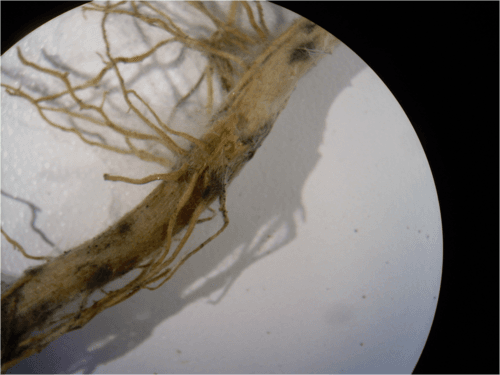

Check these first
- Feel the soil moisture level two inches deep.
- Check if water pools in the area after a heavy rain.
- Inspect the base of the stems for soft or discolored tissue.
Likely causes
Poor drainage
Most likelyHow to tell: The soil feels heavy and smells like rotten eggs. The base of the stems may look mushy or dark.
What to do: Improve the soil structure by mixing in organic compost or perlite. Ensure your planting site is not in a low spot where water pools after rain.
Overwatering
Most likelyHow to tell: The plant looks wilted despite the soil being wet. Leaves may turn yellow and drop off quickly.
What to do: Adjust your watering schedule to every 3 to 7 days depending on heat. Only water when the top inch of soil feels slightly dry to the touch.
When to worry
If the entire patch is turning brown and mushy, it is likely too late to save. Small patches can be dug up and replaced with fresh soil.
Stopping it coming back
Always plant in well draining soil and avoid overwatering once the plant is established.
Not sure which one it is? Photograph your turkey tangle fogfruit.
This page lists the usual causes. Pocket Botanist looks at your actual leaf and tells you the likely cause, how serious it is, and what to try first. Identification and a health check are free.


Questions people ask
- Can I save a plant with root rot?
- If only a small section is affected, dig it out and improve the soil drainage. If the rot has spread across the whole area, you will need to remove the plants and amend the soil before replanting.
- How often should I water?
- Aim for every 3 to 7 days. Keep the soil evenly moist but never swampy.
More problems with Turkey tangle fogfruit
Back to the Turkey tangle fogfruit guide
This article was generated with AI from the plant’s care profile and is general information, not horticultural advice. Read about how we build these guides.