 Pocket Botanist
Plant guide
Emerald Ripple Peperomia.
Peperomia caperata
Pronounced pep-er-OH-mee-uh kap-er-AY-tuh
Also known as Emerald-Ripple Peperomia, emerald-ripple pepper, green-ripple pepper, little fantasy pepper



Scan with your phone's camera to get the app
Or go to pocketbotanist.app/get on your phone
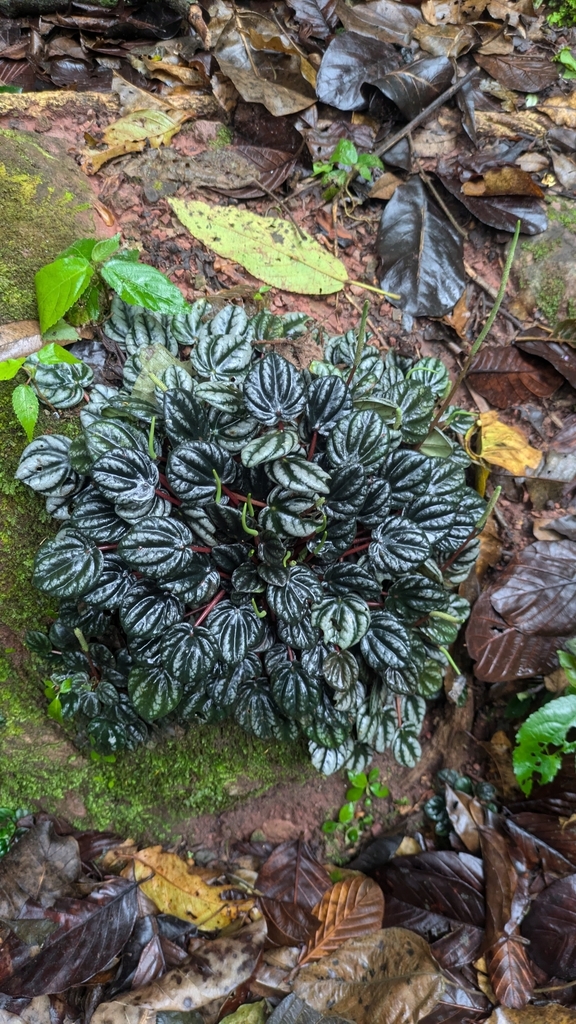
This charming little plant is a favorite for its deeply textured, heart shaped leaves. It stays compact and works perfectly on a desk or shelf. You will love how easy it is to keep happy in your home.

At a glance
- Care level
- Easy
- Plant type
- Tropical perennial
- Light
- Bright indirect light is best.
- Indoor light
- Bright indirect
- Water
- Every 7 to 14 days
- Mature size
- 8 to 10 inches tall
- Growth rate
- Slow
- Hardiness
- USDA 11 to 12
- Bloom time
- Spring to summer
Care
Keep the soil slightly moist but never soggy to prevent root rot. Watch for drooping leaves, which usually signal that your plant is thirsty. It thrives in humid spots, so it makes a great companion for a bathroom or kitchen.
- Watering
- Water when the top inch of soil feels dry to the touch.
- Feeding
- Feed with a balanced liquid fertilizer diluted to half strength during the growing season.
- Pruning
- Trim away any yellowing or damaged leaves to keep the plant looking tidy.
- Repotting
- Repot only when the plant becomes root bound, as they prefer a snug container.
- Soil
- Well draining peat based potting mix
- Soil pH
- 6.0 to 7.0
- Temperature
- 15 to 27°C
- Humidity
- 40 to 60%
- Drought tolerance
- Moderate
- Lifespan
- Perennial, typically 3 to 5 years
- Deer and rabbits
- Moderate
Signs it needs repotting
- Roots growing out of the drainage hole
- Water running straight through the soil
- Growth has slowed significantly
Safety
- People
- This plant is non-toxic to humans and pets.
- Pets
- This plant is non toxic to both cats and dogs.
- Children
- Keep out of reach of small children to prevent them from pulling on the leaves or knocking over the pot.
- Edibility
- This plant is not intended for consumption.
How to identify it
- Deeply corrugated heart shaped leaves
- Dark green or reddish foliage
- Spiky white flower stalks
- Compact mounding growth habit
- Height
- 0.15 to 0.25m
- Spread
- 0.15 to 0.25m
- Leaves
- dark green, burgundy, purple, evergreen
- Flowers
- white, cream, 0.5 to 1cm
Problems to watch for
- Root rot · This occurs when the soil stays too wet for too long.
- Mealybugs · These small white insects hide in the crevices of the crinkled leaves.
Check your emerald ripple peperomia from a photo
Pocket Botanist looks at a photo of your plant and tells you what's wrong and what to try first.
Scan with your phone's camera to get the app
Or go to pocketbotanist.app/get on your phone
Growing it
- Propagation
- cuttings, division
- When to plant
- spring, summer
- Overwintering
- Keep the plant in a warm spot away from cold drafts. Reduce watering slightly during the cooler months when growth slows down.
- In containers
- It is excellent for containers and prefers a small pot to prevent excess moisture retention.
Leaf Cuttings
- 1. Snip a healthy leaf with a bit of stem.
- 2. Place the stem in moist potting mix.
- 3. Cover with plastic to maintain humidity.
Group plants with similar water needs together to make maintenance easier.
Grows well with
Similar species
- Baby Rubber Plant · It is a close relative with similar care needs but smoother leaves.
Science
- Family
- Piperaceae
- Genus
- Peperomia
- Order
- Piperales
- Class
- Magnoliopsida
- Native range
- Brazil
- Conservation
- This plant is not of conservation concern.
It grows as an epiphyte or on the forest floor in humid, shaded tropical environments.
- Uses
- houseplant, terrarium plant, desk plant
Through the year
Ecological indicators
- Salinity
- 2/9
- Soil reaction
- 6/9
- Light
- 4/9
- Temperature
- 8/9
- Moisture
- 5/9
- Nutrients
- 3/9
Taxonomy resolved against GBIF.
Questions people ask
- How often should I water it?
- Water when the top inch of soil feels dry to the touch.
- Why are the leaves drooping?
- Drooping usually means the plant is either too dry or has been overwatered.
Where the name comes from
The name Peperomia comes from the Greek word peperi, meaning pepper, due to its relation to the black pepper plant.
Good to know
- It is a member of the Piperaceae family, which includes black pepper.
- The flowers are tiny and grow on a spike called a spadix.
- It is native to the tropical rainforests of Brazil.
- It thrives in bright, indirect light.
Keep your emerald ripple peperomia growing
This page is a general guide. Save your plant in Pocket Botanist and you get care reminders timed for this plant, plus a care history that shows what worked.
Scan with your phone's camera to get the app
Or go to pocketbotanist.app/get on your phone
This guide was generated with AI on and checked against GBIF taxonomy. It is general information, not horticultural or veterinary advice. Read about how we build these guides.