 Pocket Botanist
Guía de plantas
Cinnamon fern.
Osmundastrum cinnamomeum
Pronunciación os-mun-DAS-trum sin-na-mo-ME-um
También se conoce como Buckhorn, Cinnamon Fern



The cinnamon fern is a beautiful, hardy perennial that adds a lush, prehistoric feel to damp, shaded garden spots. It is named for the unique, cinnamon colored fertile fronds that rise from the center of the plant. These ferns are quite resilient once they get settled in the right environment.
De un vistazo
- Nivel de cuidados
- Fácil
- Tipo de planta
- Fern
- Luz
- Partial shade to full shade
- Luz en interior
- Luz media
- Riego
- Cada 2 a 5 días
- Tamaño adulto
- 3 to 5 feet
- Ritmo de crecimiento
- Medio
- Rusticidad
- USDA 3 a 9
- Floración
- Does not bloom
Cuidados
Keep the soil consistently moist, as this fern thrives in boggy or wet conditions. Watch for browning frond tips, which often indicate the soil has dried out too much. Provide plenty of organic matter to mimic its natural woodland habitat.
- Riego
- Keep the soil constantly damp and never let it dry out completely.
- Abonado
- Apply a balanced, slow release fertilizer once during the spring.
- Poda
- Trim back dead or damaged fronds in late winter or early spring before new growth begins.
- Trasplante
- Repot only when the fern becomes root bound or outgrows its current container.
- Suelo
- Rich, acidic, and moisture retentive soil
- pH del suelo
- 4.5 to 6.0
- Temperatura
- -35 a 30°C
- Humedad
- 60 a 90%
- Tolerancia a la sequía
- Baja
- Longevidad
- Perennial, can live for many decades.
- Resistencia a ciervos y conejos
- Alta
Señales de que necesita trasplante
- Roots growing out of the drainage holes.
- Water sitting on the surface for too long.
- Plant growth slowing significantly.
Seguridad
- Personas
- The plant is generally considered non-toxic, but raw fiddleheads can cause digestive upset.
- Niños
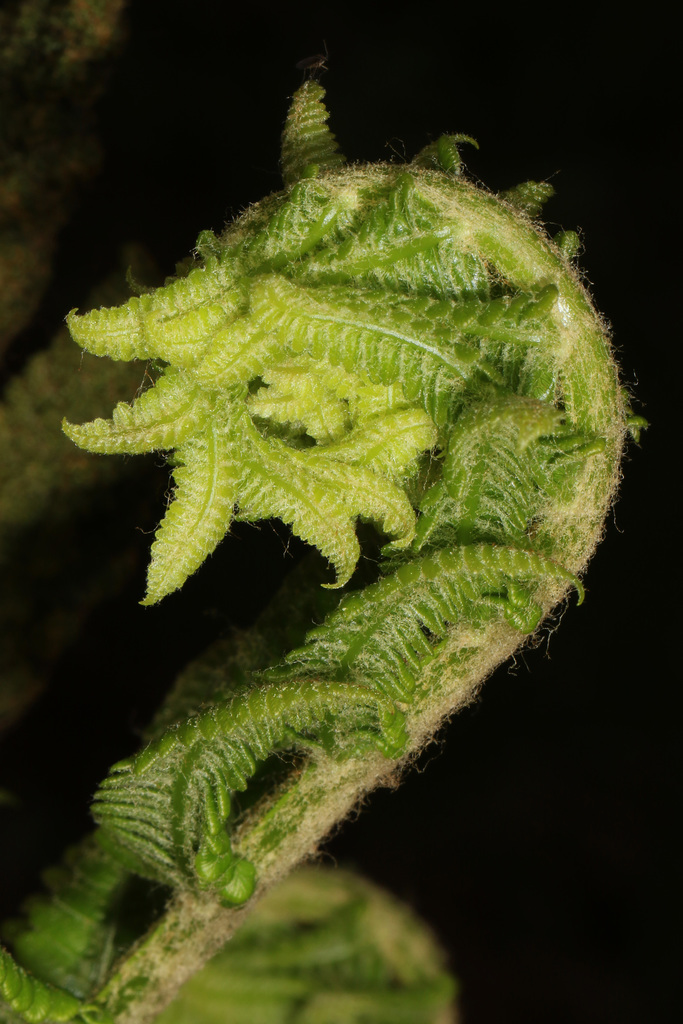
- The fuzzy hairs on the fiddleheads can be irritating if handled or rubbed into eyes.
- Alérgenos por contacto
- The fine, rusty hairs on the young fronds can cause mild skin irritation.
- Alérgenos en el aire
- Spore release in late summer may trigger mild respiratory sensitivity in some individuals.
- Comestibilidad
- The fiddleheads are often consumed after thorough boiling, but they contain tannins and potential carcinogens that require careful preparation.
Cómo identificarla
- Large, arching green sterile fronds
- Distinctive cinnamon colored fertile spikes
- Clump forming growth habit
- Fuzzy brown scales on young fronds
- Altura
- 0,6 a 1,5m
- Anchura
- 0,6 a 1,2m
- Hojas
- green, cinnamon, deciduous
- Flores
- 0cm
Problemas frecuentes
- Fern scale — Small insects that attach to the undersides of fronds and sap nutrients.
Cómo cultivarla
- Propagación
- division, spores
- Cuándo plantar
- spring, autumn
- Cuidados en invierno
- Cut back the dead, brown fronds in late winter before new growth emerges. Ensure the crown stays moist but not waterlogged during the dormant season.
- En maceta
- It grows well in large, self-watering containers that keep the soil constantly moist.
Division
- 1. Dig up the clump in early spring.
- 2. Use a sharp spade to divide the root mass.
- 3. Replant immediately in moist soil.
Plant these in groups to create a lush, prehistoric look in damp corners of your landscape.
Buenas compañeras
- Hosta — They share similar shade and moisture requirements.
- Marsh marigold — They both thrive in the wet soil of a bog garden.
Especies parecidas
- Matteuccia struthiopteris — It has a similar vase shape but different frond structure.
Ciencia
- Familia
- Osmundaceae
- Género
- Osmundastrum
- Orden
- Osmundales
- Clase
- Polypodiopsida
- Distribución natural
- Eastern North America and parts of Eastern Asia.
- Conservación
- It is considered a species of least concern, though it is protected in some specific states due to over-collection.
It thrives in swampy areas and along stream banks where moisture is abundant.
- Valor para la fauna
- provides cover for small amphibians, nesting material for birds
- Usos
- woodland gardens, bog gardens, erosion control, shade borders
A lo largo del año
Indicadores ecológicos
- Salinidad
- 1/9
- Reacción del suelo
- 4/9
- Luz
- 3/9
- Temperatura
- 5/9
- Humedad
- 8/9
- Nutrientes
- 4/9
Taxonomía cotejada con GBIF.
Lo que más preguntan
- Does it need full sun?
- No, it prefers partial to full shade.
- How much water does it need?
- It requires consistently moist to wet soil.
De dónde viene el nombre
The name cinnamomeum refers to the cinnamon color of the fertile fronds.
Bueno saberlo
- The common name comes from the cinnamon colored fertile fronds that appear in the center.
- It is a true living fossil.
- The fertile fronds are distinct from the sterile green foliage.
También en
¿Tu cinnamon fern tiene mal aspecto?
Esta página es una guía general. Pocket Botanist diagnostica problemas a partir de una foto de tu propia planta, calcula el riego según tu luz y tus condiciones, y te avisa cuando toca cuidarla.
Esta guía se ha generado con IA y se ha cotejado con la taxonomía de GBIF. Es información general, no asesoramiento botánico ni veterinario. Descubre cómo elaboramos estas guías.