 Pocket Botanist
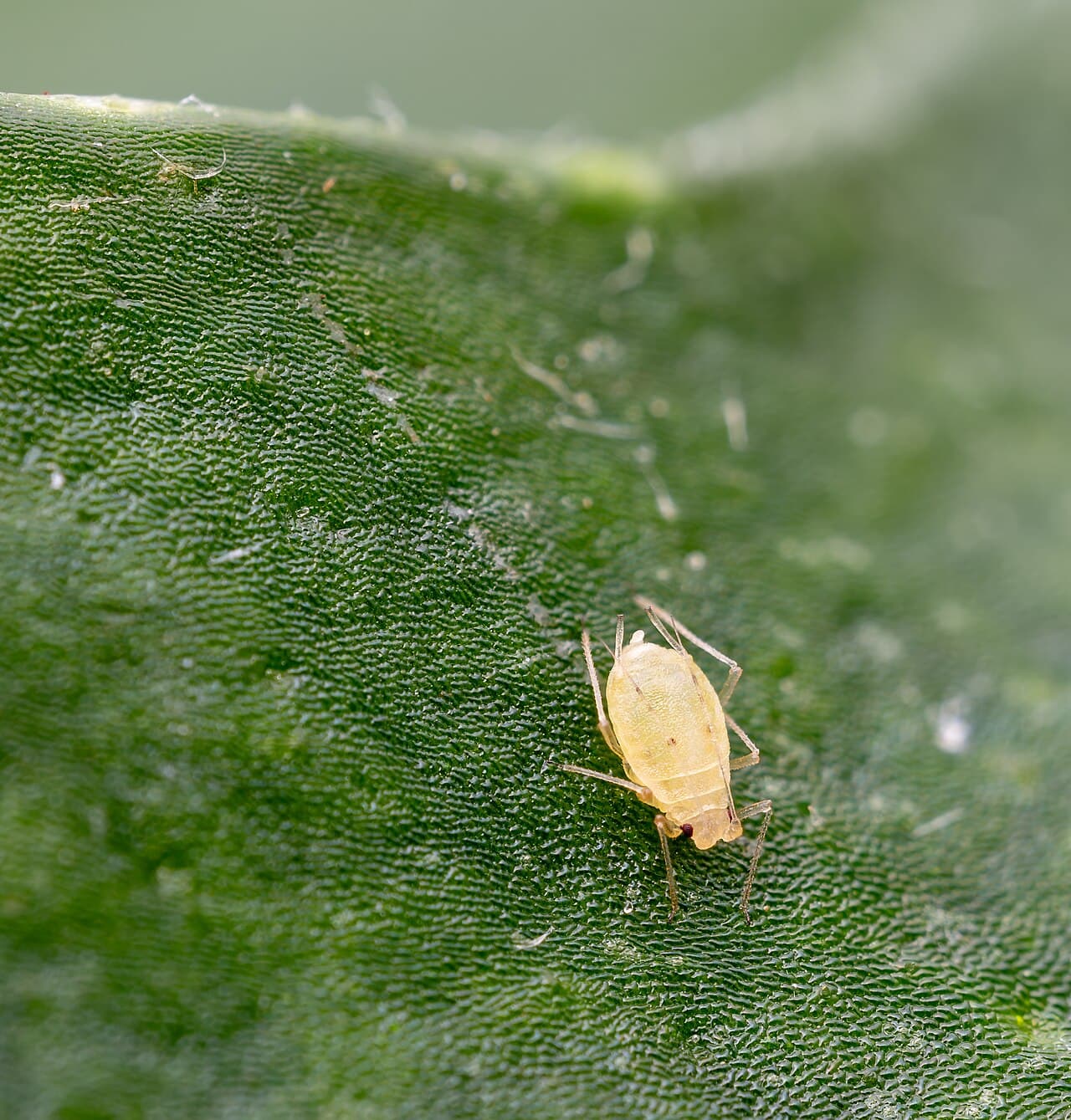

Check these first
- Look closely at the stems for small insects or snail eggs.
- Check the undersides of the leaves for bite marks.
- Remove any visible pests by hand.
Likely causes
Aquatic Snails
PossibleHow to tell: You see small holes in the leaves or ragged edges along the stems. Snails are often introduced on new plants and can multiply quickly.
What to do: Remove snails by hand or use a small trap. You can also introduce a natural predator if your setup allows for it.
Caddisfly Larvae
PossibleHow to tell: Small cases made of debris attached to the stems or leaves that have been chewed away. These larvae feed on the feathery foliage.
What to do: Manually pick the larvae off the plant stems. Ensure you check the undersides of leaves where they like to hide.
Find out what's wrong with your eurasian watermilfoil
The list above covers the usual causes. Pocket Botanist looks at a photo of your actual plant and tells you the likely cause, how serious it is, and what to try first. Identification and a health check are free.



Scan with your phone's camera to get the app
Or go to pocketbotanist.app/get on your phone
When to worry
Worry if the pests are destroying the plant faster than it can grow. It is normal to see an occasional snail in an outdoor pond environment.
Stopping it coming back
Quarantine new plants in a separate container for a few days before adding them to your main setup.
Eurasian watermilfoil: pests? Check yours with a photo
Every plant is a little different. Take a photo of your eurasian watermilfoil and Pocket Botanist tells you which cause is most likely, how serious it is, and what to try first. A few checks a day are free. Save the plant and you get care reminders timed for it.
Scan with your phone's camera to get the app
Or go to pocketbotanist.app/get on your phone
Get the app · Or check it from a photo now, free
Questions people ask
- Can I use pesticides to kill the bugs?
- Avoid chemical pesticides as they are often toxic to aquatic plants and any fish or beneficial organisms in the water. Manual removal is the safest method.
- How do pests get into my water?
- Pests often arrive as hitchhikers on new plants or through birds and wind in outdoor ponds. Always inspect new additions carefully.
More problems with Eurasian watermilfoil
Back to the Eurasian watermilfoil guide
This article was generated with AI on from the plant’s care profile and is general information, not horticultural advice. Read about how we build these guides.