 Pocket Botanist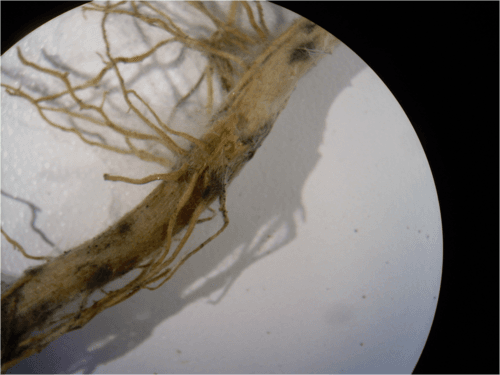

Check these first
- Smell the water for a foul odor.
- Lift the plant to inspect the color of the roots.
- Check if the water has been changed recently.
Likely causes
Stagnant water
Most likelyHow to tell: The water smells foul and the roots appear slimy or dark brown.
What to do: Change the water immediately and rinse the roots gently. Ensure you are refreshing the water at least once a week to keep it oxygenated.
Bacterial infection
PossibleHow to tell: The roots turn mushy and the plant begins to collapse.
What to do: Remove the affected parts of the plant and discard them. Clean the container thoroughly before adding fresh, clean water.
When to worry
If the roots are black and mushy, the plant is in serious trouble. Act quickly to save the healthy portions of the rhizome.
Stopping it coming back
Change the water regularly and keep the environment clean to prevent bacterial buildup.
Not sure which one it is? Photograph your water clover.
This page lists the usual causes. Pocket Botanist looks at your actual leaf and tells you the likely cause, how serious it is, and what to try first. Identification and a health check are free.


Questions people ask
- Should I use tap water?
- Tap water is fine, but let it sit for 24 hours to allow chlorine to evaporate. This is safer for your plant.
- Can I save a plant with root rot?
- You can save it if you catch it early. Trim away all rotted roots and place the healthy rhizome in fresh, clean water.
More problems with Water clover
Back to the Water clover guide
This article was generated with AI from the plant’s care profile and is general information, not horticultural advice. Read about how we build these guides.