 Pocket Botanist
Plant guide
Southern Magnolia.
Magnolia grandiflora
Pronounced mag-NO-lee-uh gran-dih-FLOR-uh
Also known as Big-laurel, Bull-bay, Evergreen Magnolia, Southern Belle, Southern Magnolia, bull bay, great flowered magnolia, laurier tulipier



Scan with your phone's camera to get the app
Or go to pocketbotanist.app/get on your phone

This iconic evergreen tree is famous for its massive, fragrant white blossoms and glossy dark green leaves. It makes a stunning focal point in large landscapes. You will love how it brings a classic Southern charm to your garden.
At a glance
- Care level
- Easy
- Plant type
- Evergreen tree
- Light
- Full sun to partial shade
- Indoor light
- Bright indirect
- Water
- Every 7 to 14 days
- Mature size
- 60 to 80 feet tall
- Growth rate
- Medium
- Hardiness
- USDA 6 to 10
- Bloom time
- Late spring to summer
Care
Plant this tree in a spot with plenty of room to spread its roots and branches. Keep an eye out for yellowing leaves, which might mean the soil is too alkaline or lacks proper drainage. It thrives best when given consistent moisture while it is still getting established.
- Watering
- Water deeply and regularly during the first few years to help the root system settle in.
- Feeding
- Apply a balanced, slow-release fertilizer in early spring before new growth begins.
- Pruning
- Prune only to remove dead or damaged branches after the tree has finished its main flowering cycle.
- Repotting
- If growing in a container, move to a larger pot every few years until it reaches its final size.
- Soil
- Rich, acidic, well-draining soil
- Soil pH
- 5.0 to 6.5
- Temperature
- -15 to 35°C
- Humidity
- 40 to 80%
- Drought tolerance
- Moderate
- Lifespan
- Long-lived, often exceeding 80 to 100 years.
- Fragrance
- Strong
- Deer and rabbits
- Moderate
Signs it needs repotting
- Roots growing out of the drainage holes.
- Water running straight through the pot without soaking in.
- Noticeable decline in growth rate.
Safety
- People
- The leaves and bark are generally considered non-toxic, but ingestion is not recommended.
- Pets
- This plant is generally considered non-toxic to cats and dogs.
- Children
- The large, heavy seed cones can be a choking hazard if left on the ground where small children play.
- Contact allergens
- The fuzzy underside of the leaves can cause mild skin irritation in sensitive individuals.
- Airborne allergens
- The heavy, sweet fragrance of the flowers may trigger sensitivities in those prone to floral allergies.
- Edibility
- The plant is not considered edible for humans.
How to identify it
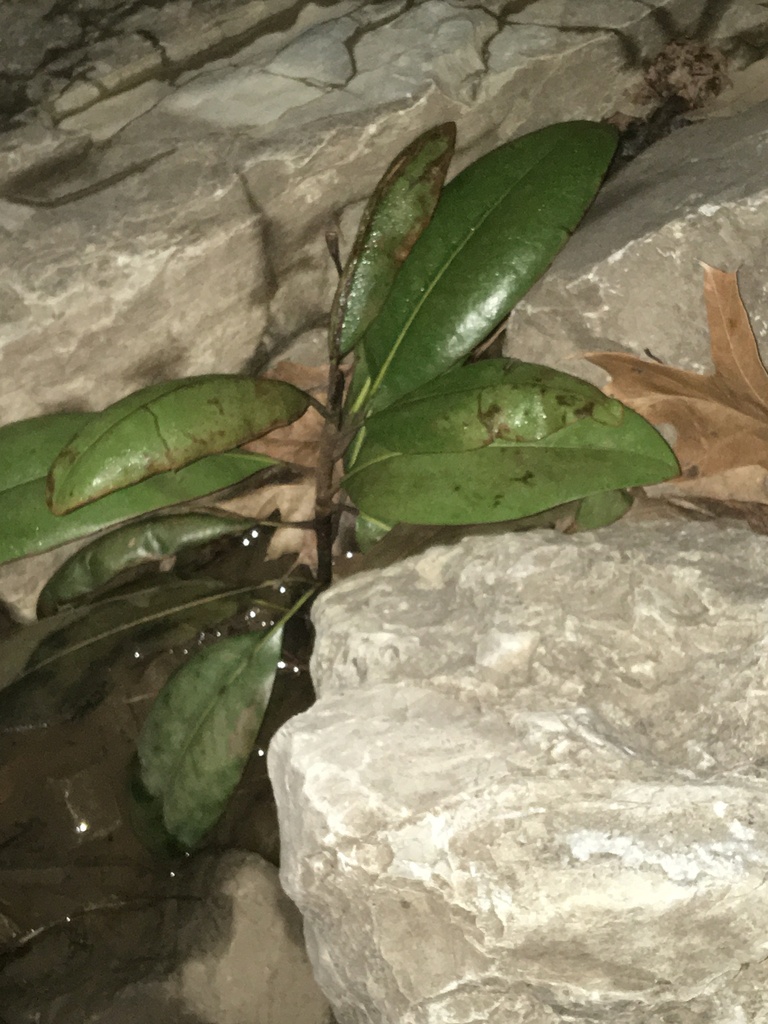
- Large, glossy, dark green leaves
- Fragrant, creamy white cup shaped flowers
- Rusty brown fuzzy leaf undersides
- Conical, dense evergreen growth habit
- Height
- 6 to 24m
- Spread
- 4 to 15m
- Leaves
- dark green, bronze, evergreen
- Flowers
- white, cream, 15 to 30cm
- Fruit
- red, Autumn
Problems to watch for
- Scale insects · Small sap-sucking insects that can cause leaf yellowing and sooty mold.
- Leaf spot · Fungal infections that create dark spots on foliage during humid weather.
Check your southern magnolia from a photo
Pocket Botanist looks at a photo of your plant and tells you what's wrong and what to try first.
Scan with your phone's camera to get the app
Or go to pocketbotanist.app/get on your phone
Growing it
- Propagation
- seed, cuttings, layering
- When to plant
- spring, autumn
- Overwintering
- Apply a thick layer of mulch around the base to protect roots from freezing temperatures. In colder zones, wrap young trees in burlap to prevent winter burn on the foliage.
- In containers
- It is generally too large for long-term container growth, though dwarf cultivars can be kept in large tubs for several years.
Semi-hardwood cuttings
- Take 6-inch cuttings in late summer.
- Remove lower leaves and dip the base in rooting hormone.
- Place in a well-draining potting mix and keep humid until rooted.
Plant shallow-rooted shrubs beneath the magnolia to avoid disturbing its sensitive root system.
Grows well with
Similar species
- Sweetbay Magnolia · A smaller, more cold-hardy relative with similar fragrant flowers.
Science
- Family
- Magnoliaceae
- Genus
- Magnolia
- Order
- Magnoliales
- Class
- Magnoliopsida
- Native range
- Southeastern United States
- Conservation
- It is not currently listed as endangered, though wild populations are managed in some regions.
This tree thrives in moist, acidic soils and often dominates the understory of bottomland forests.
- Value to wildlife
- nectar source, nesting site for birds
- Pollinators
- beetles
- Uses
- ornamental specimen, privacy screen, shade tree
Through the year
Ecological indicators
- Salinity
- 2/9
- Soil reaction
- 4/9
- Light
- 7/9
- Temperature
- 7/9
- Moisture
- 6/9
- Nutrients
- 5/9
Taxonomy resolved against GBIF.
Questions people ask
- How fast does it grow?
- It is a slow to moderate grower, typically adding 1 to 2 feet per year.
- Does it need full sun?
- It thrives in full sun but appreciates partial shade in the hottest climates.
Where the name comes from
The genus honors French botanist Pierre Magnol, while the species name grandiflora means large-flowered.
Good to know
- Magnolia grandiflora is the state tree of Mississippi.
- The flowers can reach up to 12 inches in diameter.
- It is one of the most recognizable trees in the American South.
- The leaves have a beautiful, glossy texture that stays green year-round.
Keep your southern magnolia growing
This page is a general guide. Save your plant in Pocket Botanist and you get care reminders timed for this plant, plus a care history that shows what worked.
Scan with your phone's camera to get the app
Or go to pocketbotanist.app/get on your phone
This guide was generated with AI on and checked against GBIF taxonomy. It is general information, not horticultural or veterinary advice. Read about how we build these guides.