 Pocket Botanist
Plant guide
Amur honeysuckle.
Lonicera maackii
Pronounced loh-NISS-er-uh MAK-ee-eye
Also known as Amur Honeysuckle, Bush Honeysuckle, Maack's honeysuckle



Scan with your phone's camera to get the app
Or go to pocketbotanist.app/get on your phone
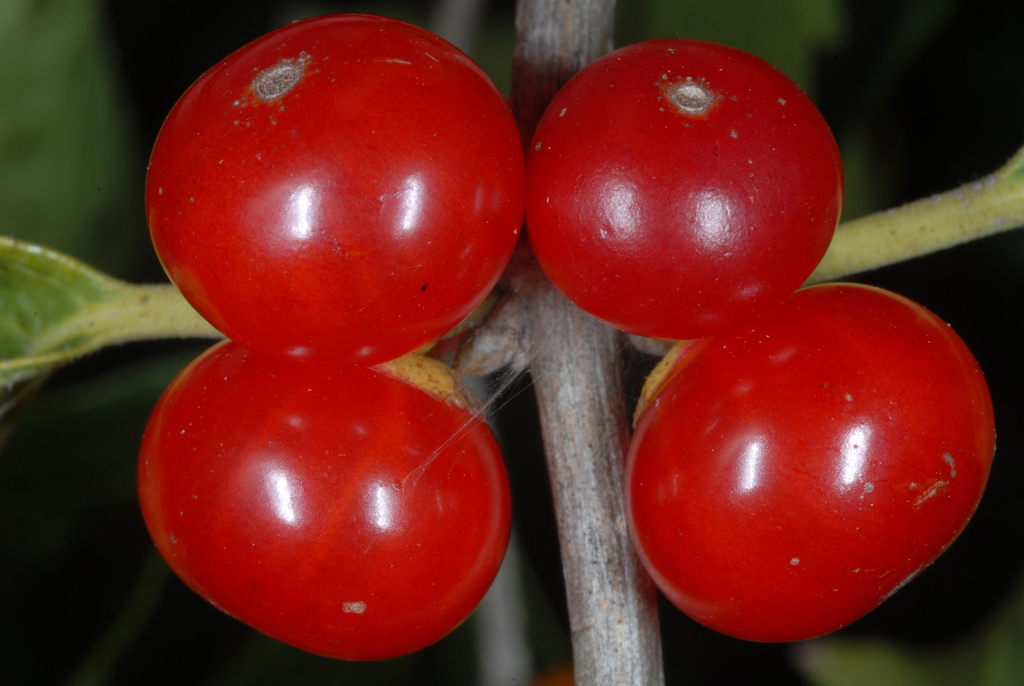
Amur honeysuckle is a vigorous shrub known for its fragrant white flowers and bright red berries. It is highly adaptable but often considered invasive in many parts of North America. You will find it thrives in a variety of soil conditions and light levels.

At a glance
- Care level
- Easy
- Plant type
- Deciduous shrub
- Light
- Full sun to partial shade
- Indoor light
- Bright indirect
- Water
- Every 7 to 14 days
- Mature size
- 15 to 20 feet
- Growth rate
- Fast
- Hardiness
- USDA 3 to 8
- Bloom time
- Late spring to early summer
Care
This shrub is quite resilient and requires minimal intervention once established. Keep an eye out for rapid spread, as it can easily outcompete native plants in your garden. Pruning helps maintain its shape and encourages denser growth.
- Watering
- Water deeply during dry spells to keep the plant healthy.
- Feeding
- Apply a balanced fertilizer once in early spring.
- Pruning
- Prune in late winter or early spring to manage size.
- Repotting
- Repot only if the shrub is container grown and becomes root bound.
- Soil
- Well draining, adaptable to various types
- Soil pH
- 6.0 to 8.0
- Temperature
- -35 to 35°C
- Humidity
- 40 to 70%
- Drought tolerance
- High
- Lifespan
- Perennial, typically 20 to 50 years
- Fragrance
- Strong
- Deer and rabbits
- Moderate
Signs it needs repotting
- Roots growing out of drainage holes
- Stunted growth
- Soil drying out too quickly
Safety
- People
- All parts of the plant, especially the berries, can cause gastrointestinal distress if ingested.
- Pets
- The berries may cause mild gastrointestinal upset if ingested by cats or dogs.
- Children
- The bright red berries are attractive to children and pose a significant ingestion risk.
- Contact allergens
- Handling the foliage may cause mild skin irritation in sensitive individuals.
- Airborne allergens
- The pollen can trigger seasonal allergies in some people.
- Edibility
- The berries are mildly toxic to humans and should not be consumed.
How to identify it
- Opposite, simple, ovate leaves
- Fragrant white to yellow flowers
- Bright red paired berries
- Hollow pith in older stems
- Pubescent twigs and leaf veins
- Height
- 3 to 5m
- Spread
- 3 to 5m
- Leaves
- green, deciduous
- Flowers
- white, yellow, 1 to 2cm
- Fruit
- red, Late summer to autumn
Problems to watch for
- AphidsCommon
- Powdery MildewCommon
- CankerUncommon
- Leaf SpotUncommon
Check your amur honeysuckle from a photo
Pocket Botanist looks at a photo of your plant and tells you what's wrong and what to try first.
Scan with your phone's camera to get the app
Or go to pocketbotanist.app/get on your phone
Growing it
- Propagation
- seed, cuttings
- When to plant
- spring, autumn
- Overwintering
- It is fully hardy and requires no special protection during the winter months.
- In containers
- It is not recommended for containers due to its large size and invasive potential.
Seed
- 1. Collect ripe berries in autumn.
- 2. Clean the seeds from the pulp.
- 3. Sow seeds in a cold frame or outdoors in late autumn.
Because this plant is invasive, it is best to avoid planting it near any native ecosystems.
Similar species
- Tartarian Honeysuckle · Another invasive shrub with similar growth habits and ecological impact.
Science
- Family
- Caprifoliaceae
- Genus
- Lonicera
- Order
- Dipsacales
- Class
- Magnoliopsida
- Native range
- Northeastern Asia, including China, Japan, and Korea.
- Conservation
- It is considered a severe invasive species in many regions and is often prohibited from sale or planting.
It thrives in disturbed areas and forest edges, where it forms dense thickets that shade out native understory plants.
- Value to wildlife
- nectar source, provides cover for birds
- Pollinators
- bees, butterflies, hummingbirds
- Uses
- ornamental shrub, wildlife habitat
Through the year
Ecological indicators
- Salinity
- 2/9
- Soil reaction
- 5/9
- Light
- 6/9
- Temperature
- 5/9
- Moisture
- 5/9
- Nutrients
- 5/9
Taxonomy resolved against GBIF.
Questions people ask
- Is it safe to plant in my garden?
- No, it is highly invasive and is discouraged or banned in many areas.
- How do I get rid of it?
- Small plants can be pulled by hand, while larger ones require cutting and herbicide treatment on the stumps.
Where the name comes from
The genus honors German botanist Adam Lonitzer, while the species name commemorates Russian naturalist Richard Maack.
Good to know
- It was introduced to North America in the late 1800s as an ornamental.
- The berries are spread widely by birds, which contributes to its invasive nature.
- It leafs out earlier in the spring than most native shrubs, giving it a competitive advantage.
Also in
Keep your amur honeysuckle growing
This page is a general guide. Save your plant in Pocket Botanist and you get care reminders timed for this plant, plus a care history that shows what worked.
Scan with your phone's camera to get the app
Or go to pocketbotanist.app/get on your phone
This guide was generated with AI on and checked against GBIF taxonomy. It is general information, not horticultural or veterinary advice. Read about how we build these guides.