 Pocket Botanist
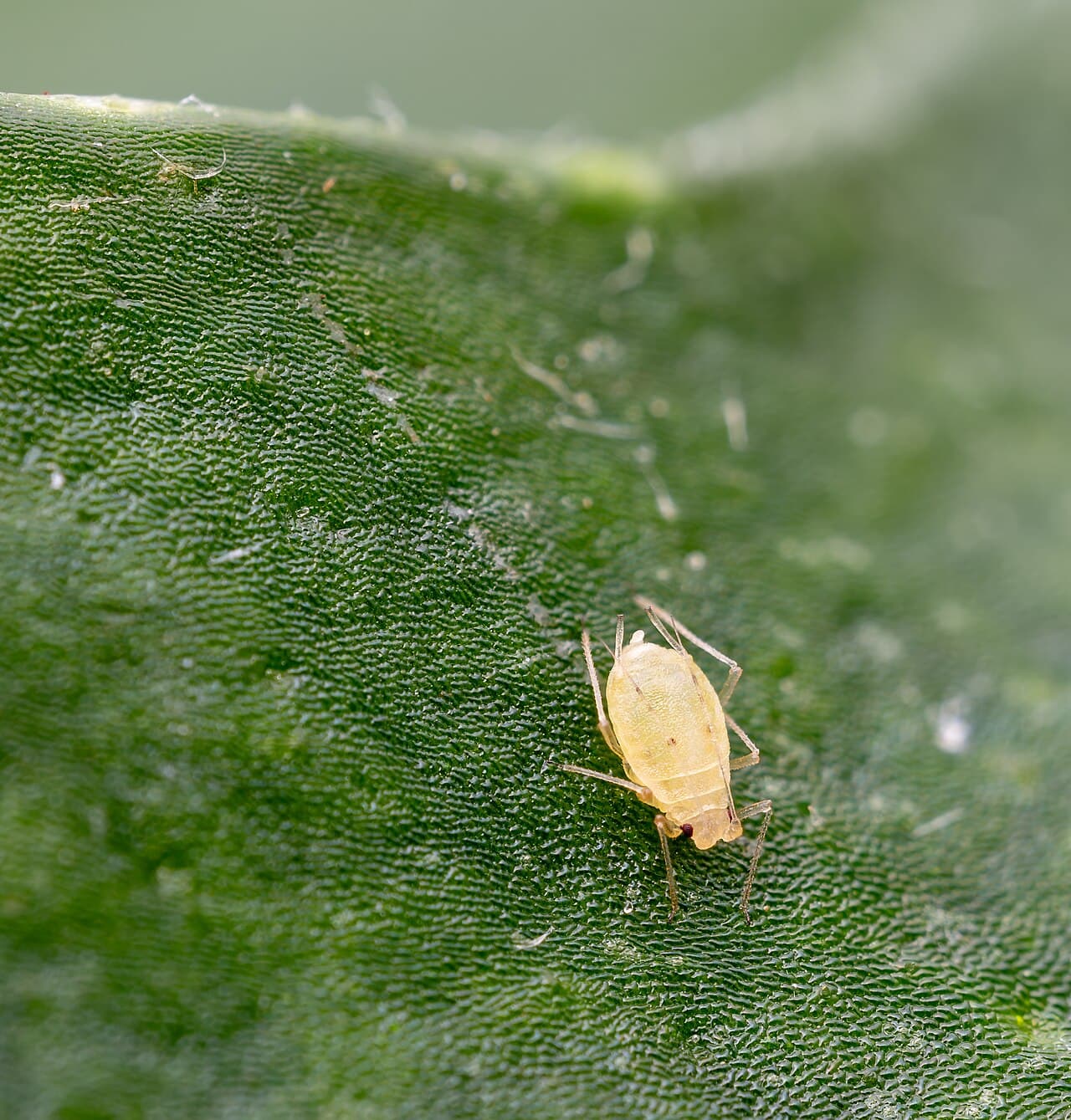

Check these first
- Inspect the undersides of leaves for pests.
- Look for slime trails on the soil or stems.
- Check the plant at night with a flashlight.
Likely causes
Slugs
Most likelyHow to tell: You see irregular holes in the leaves and shiny slime trails nearby.
What to do: Handpick the slugs off the plant in the evening or early morning. You can also set out shallow containers of beer or use iron phosphate bait around the base.
Snails
PossibleHow to tell: Similar to slugs, they leave large ragged holes in the leaves.
What to do: Clear away debris or mulch piles near the plant where they hide during the day. Use copper tape around the base of the plant to deter them.
Find out what's wrong with your great blue lobelia
The list above covers the usual causes. Pocket Botanist looks at a photo of your actual plant and tells you the likely cause, how serious it is, and what to try first. Identification and a health check are free.



Scan with your phone's camera to get the app
Or go to pocketbotanist.app/get on your phone
When to worry
If the entire plant is being defoliated, it will struggle to bloom. A few small holes are usually just a minor cosmetic issue.
Stopping it coming back
Keep the area around your plants tidy and remove hiding spots like boards or heavy leaf litter.
Great blue lobelia: pests? Check yours with a photo
Every plant is a little different. Take a photo of your great blue lobelia and Pocket Botanist tells you which cause is most likely, how serious it is, and what to try first. A few checks a day are free. Save the plant and you get care reminders timed for it.
Scan with your phone's camera to get the app
Or go to pocketbotanist.app/get on your phone
Get the app · Or check it from a photo now, free
Questions people ask
- Do I need to use harsh chemicals?
- No, handpicking and simple barriers like copper tape are usually enough. Avoid broad spectrum pesticides that harm beneficial insects.
- Are these pests active all year?
- They are most active in spring and during wet weather. They tend to slow down when the weather gets hot and dry.
Guides to these causes
More problems with Great blue lobelia
Back to the Great blue lobelia guide
This article was generated with AI on from the plant’s care profile and is general information, not horticultural advice. Read about how we build these guides.