 Pocket Botanist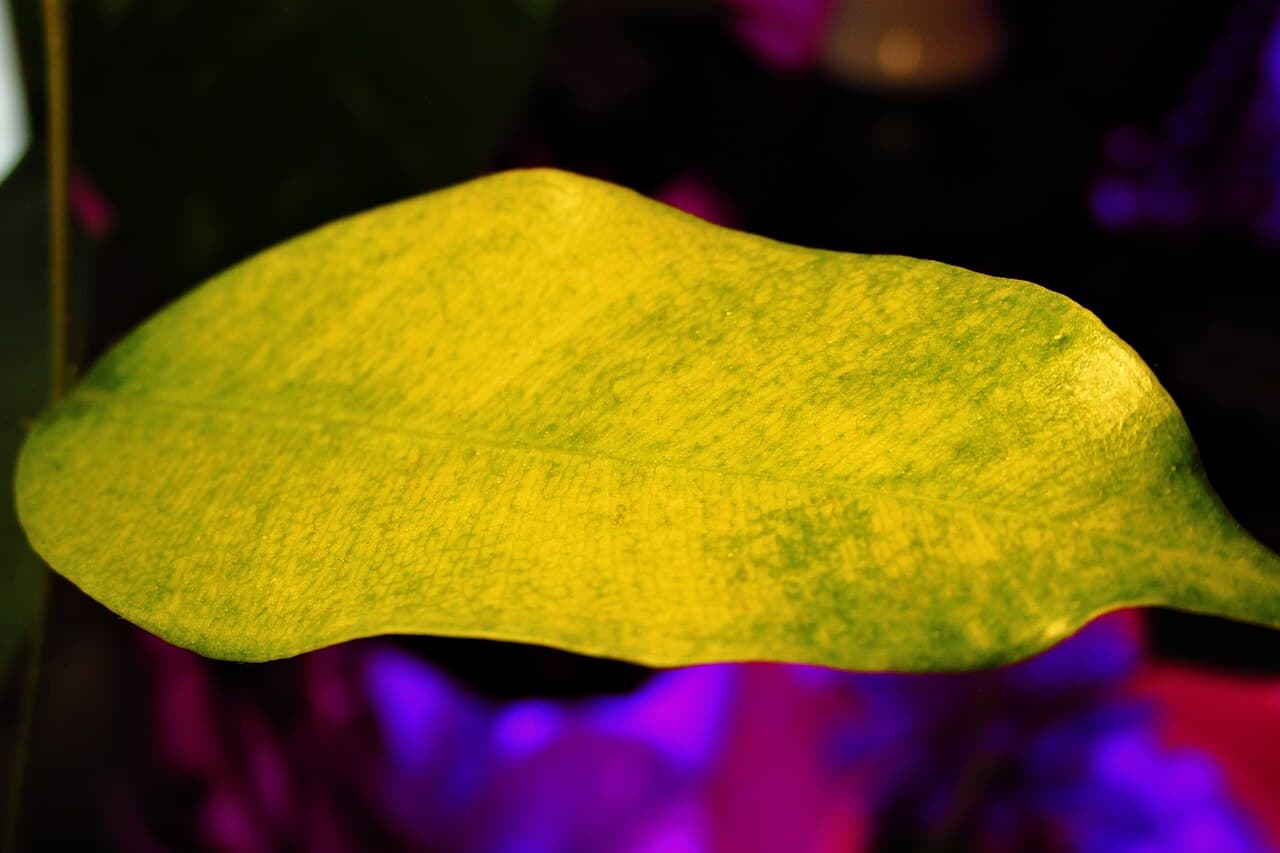
.jpg)
Check these first
- Check if the plant is getting enough light.
- Look for signs of pests on the stems.
- Check if the soil has been fertilized recently.
Likely causes
Insufficient light
Most likelyHow to tell: The stems lose their deep green color and start looking pale or yellow. This happens when the plant is kept in a dark corner.
What to do: Move the plant to a spot with bright, indirect light. It can handle some direct sun in the morning or late afternoon.
Nutrient deficiency
PossibleHow to tell: The entire plant looks yellow and lacks vigor. This happens if the plant has been in the same soil for a long time.
What to do: Apply a balanced liquid fertilizer diluted to half strength once a month during the growing season. Do not overfeed as this can burn the roots.
When to worry
A single yellow stem at the base is normal aging. If the whole plant is turning yellow, it needs immediate attention.
Stopping it coming back
Provide consistent bright light and feed lightly during the spring and summer months.
Not sure which one it is? Photograph your common rush.
This page lists the usual causes. Pocket Botanist looks at your actual leaf and tells you the likely cause, how serious it is, and what to try first. Identification and a health check are free.


Questions people ask
- Can too much sun cause yellowing?
- Yes, if the sun is too harsh, it can bleach the stems. If it looks bleached rather than yellow, move it to slightly softer light.
- Does the water quality matter?
- Yes, very high chlorine levels in tap water can sometimes cause yellowing. Let your water sit out for 24 hours before using it.
More problems with Common rush
This article was generated with AI from the plant’s care profile and is general information, not horticultural advice. Read about how we build these guides.