 Pocket Botanist
Plant guide
Kentia palm.
Howea forsteriana
Pronounced HOW-ee-uh for-steer-ee-AY-nuh
Also known as Forster sentry palm, Kentia Palm, Sentrypalm, Thatch Palm, paradise palm, sentry palm, thatch-leaf palm



Scan with your phone's camera to get the app
Or go to pocketbotanist.app/get on your phone
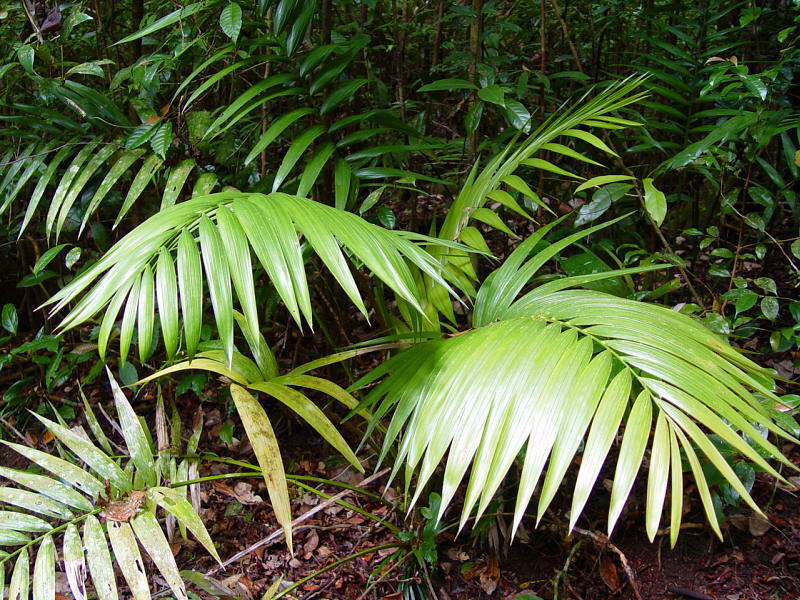
The Kentia palm is a classic, elegant choice that brings a touch of the tropics to your living room. It is quite forgiving and handles lower light levels better than many other palms. You will love how its graceful, arching fronds create a lush, relaxing vibe.
At a glance
- Care level
- Easy
- Plant type
- Palm
- Light
- Bright indirect light is best, though it tolerates lower light conditions.
- Indoor light
- Medium light
- Water
- Every 7 to 14 days
- Mature size
- 10 feet indoors
- Growth rate
- Slow
- Hardiness
- USDA 9 to 11
- Bloom time
- Rarely flowers indoors, but occasionally in late spring.
Care
Keep the soil consistently moist but never soggy to prevent root rot. Watch for brown tips on the leaves, which often signal that the air is too dry or the plant needs more consistent moisture. Wipe the fronds down occasionally to keep them dust free and healthy.
- Watering
- Water when the top inch of soil feels dry to the touch.
- Feeding
- Apply a balanced liquid fertilizer during the active growing season.
- Pruning
- Remove only the dead or yellowing fronds at the base of the stem.
- Repotting
- Repot only when the roots have filled the container, as these palms dislike root disturbance.
- Soil
- Well draining, peat based potting mix
- Soil pH
- 6.0 to 7.5
- Temperature
- 10 to 28°C
- Humidity
- 50 to 70%
- Drought tolerance
- Moderate
- Lifespan
- Perennial, can live for several decades with proper care.
- Deer and rabbits
- High
Signs it needs repotting
- Roots growing out of the drainage holes.
- Water running straight through the pot without soaking in.
- The plant stops growing during the active season.
Safety
- People
- This plant is non toxic to humans.
- Children
- The long, arching fronds can be sharp at the tips, so keep them away from small children's eyes.
- Edibility
- The fruit is not considered edible for humans.
How to identify it
- Graceful arching dark green fronds
- Slender, ringed single trunk
- Long, drooping leaflets
- Slow growing habit
- Height
- 2 to 6m
- Spread
- 1.5 to 3m
- Leaves
- dark green, evergreen
- Flowers
- white, cream, 0.5 to 1cm
- Fruit
- red, brown, Late summer to autumn
Problems to watch for
- Spider mites · Tiny pests that thrive in dry indoor air and cause yellow stippling on leaves.
- Root rot · Caused by overwatering or poor drainage leading to mushy roots.
Check your kentia palm from a photo
Pocket Botanist looks at a photo of your plant and tells you what's wrong and what to try first.
Scan with your phone's camera to get the app
Or go to pocketbotanist.app/get on your phone
Growing it
- Propagation
- seed
- When to plant
- spring, summer
- Overwintering
- Keep the plant away from cold drafts and heating vents during winter. Reduce watering slightly as growth slows down in cooler months.
- In containers
- It is an excellent container plant that prefers to be slightly pot bound, requiring a pot at least 30 cm wide.
Seed
- 1. Soak fresh seeds in warm water for 24 hours.
- 2. Plant in a well draining seed starting mix.
- 3. Keep the container in a warm spot with bottom heat.
- 4. Be patient, as germination can take several months.
Group plants with similar water needs together to create a microclimate that boosts humidity.
Grows well with
- Peace Lily · They share similar light and humidity requirements.
- Pothos · It makes a nice trailing contrast to the upright palm fronds.
Similar species
- Areca palm · It has a similar feathery appearance but requires more light.
Science
- Family
- Arecaceae
- Genus
- Howea
- Order
- Arecales
- Class
- Liliopsida
- Native range
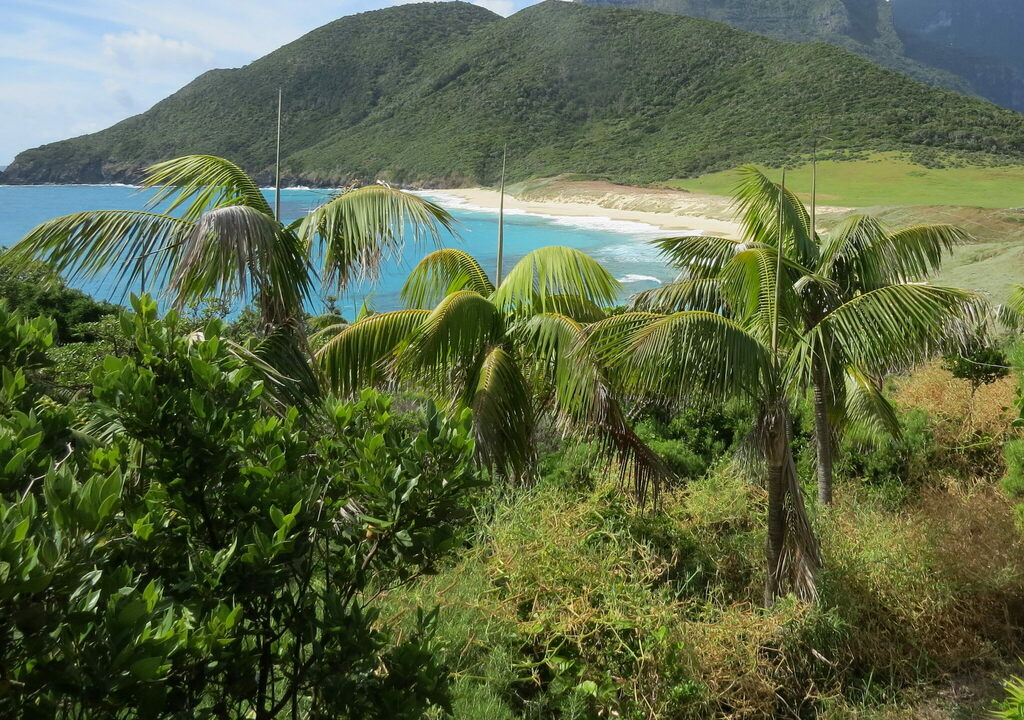
- Lord Howe Island, Australia.
- Conservation
- It is listed as vulnerable in its native habitat due to limited range.
It grows naturally in the sheltered, humid forests of its small island home.
- Value to wildlife
- provides shelter for small birds
- Pollinators
- bees
- Uses
- indoor ornamental, patio plant, air purifier
Through the year
Ecological indicators
- Salinity
- 2/9
- Soil reaction
- 6/9
- Light
- 3/9
- Temperature
- 7/9
- Moisture
- 5/9
- Nutrients
- 4/9
Taxonomy resolved against GBIF.
Questions people ask
- Why are the leaf tips turning brown?
- This is usually a sign of low humidity or inconsistent watering.
- How much light does it need?
- It prefers bright, indirect light but tolerates lower light levels quite well.
Where the name comes from
The genus name honors Lord Howe Island, while the species name commemorates William Forster, a New South Wales politician.
Good to know
- It is commonly known as the Kentia palm.
- It is native only to Lord Howe Island in Australia.
- These palms grow very slowly, often taking years to add a new frond.
- They were once a status symbol in wealthy European homes.
Also in
Keep your kentia palm growing
This page is a general guide. Save your plant in Pocket Botanist and you get care reminders timed for this plant, plus a care history that shows what worked.
Scan with your phone's camera to get the app
Or go to pocketbotanist.app/get on your phone
This guide was generated with AI on and checked against GBIF taxonomy. It is general information, not horticultural or veterinary advice. Read about how we build these guides.