 Pocket Botanist
Plant guide
Rubber tree.
Hevea brasiliensis
Pronounced HEE-vee-uh bruh-zil-ee-EN-sis
Also known as Natural Rubber, Para Rubber Tree, Para rubber, Pará Rubber Tree, Rubber Plant, Rubber Tree, Sharinga Tree, hevea



Scan with your phone's camera to get the app
Or go to pocketbotanist.app/get on your phone
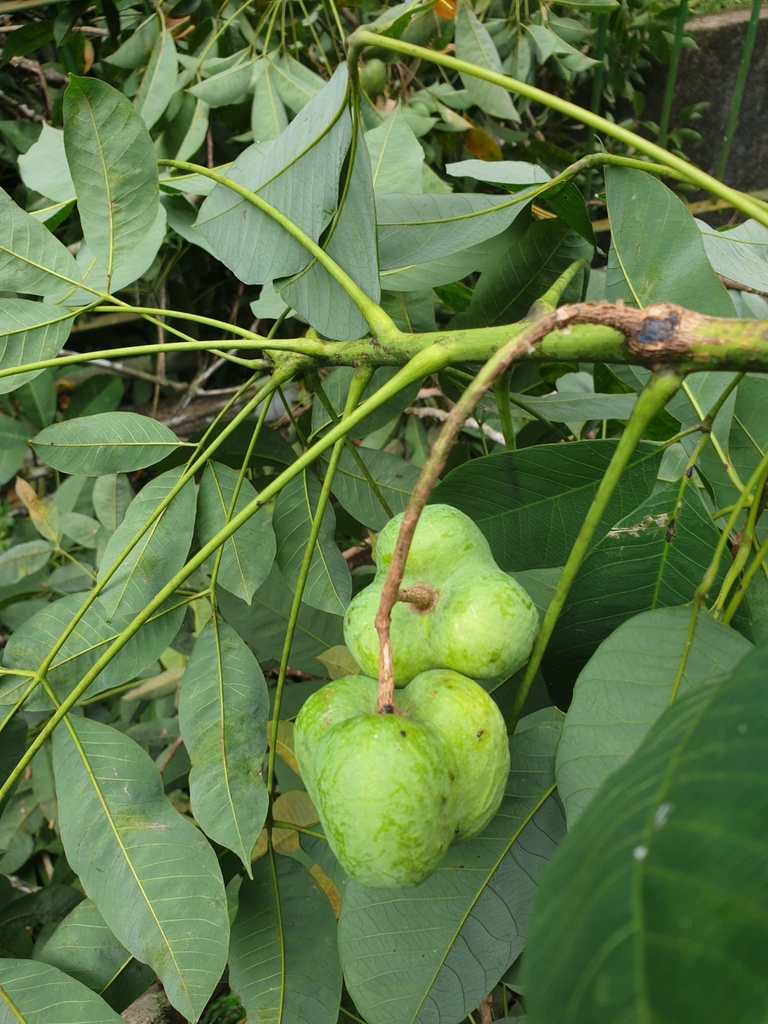
The rubber tree is a tropical giant known for its milky sap that serves as the primary source of natural rubber. It thrives in warm, humid environments and grows quite large in its native habitat. While often grown as a commercial crop, it can be a striking specimen in a large conservatory.

At a glance
- Care level
- Moderate
- Plant type
- Tropical tree
- Light
- Full sun to partial shade
- Indoor light
- Bright indirect
- Water
- Every 5 to 10 days
- Mature size
- 100 feet
- Growth rate
- Fast
- Hardiness
- USDA 10 to 12
- Bloom time
- Late spring to early summer
Care
Keep this plant in a consistently warm spot with high humidity to mimic its tropical home. Watch for yellowing leaves which often signal overwatering or poor drainage. Ensure the soil stays moist but never soggy to keep the roots healthy.
- Watering
- Water when the top inch of soil feels dry to the touch.
- Feeding
- Feed with a balanced liquid fertilizer during the active growing season.
- Pruning
- Prune back long branches once a year to maintain a manageable shape.
- Repotting
- Repot young trees every year or two until they reach a large size.
- Soil
- Well draining loamy soil
- Soil pH
- 5.0 to 6.0
- Temperature
- 15 to 35°C
- Humidity
- 70 to 90%
- Drought tolerance
- Low
- Lifespan
- Perennial, typically 30 to 100 years
- Fragrance
- Light
- Deer and rabbits
- Moderate
Signs it needs repotting
- Roots growing out of drainage holes
- Stunted growth despite proper care
Safety
- People
- The milky sap can cause contact dermatitis in sensitive individuals.
- Pets
- The milky sap is toxic to cats and dogs if ingested and can cause skin irritation.
- Children
- Keep children away from the seeds as they are poisonous if swallowed.
- Contact allergens
- Latex proteins in the sap are a well known cause of contact allergies.
- Airborne allergens
- Pollen may cause mild respiratory irritation during the flowering season.
- Edibility
- The seeds are toxic if ingested due to cyanogenic glycosides.
How to identify it
- Large trifoliate glossy leaves
- Milky white latex sap
- Tall straight woody trunk
- Small yellowish flowers in clusters
- Height
- 15 to 30m
- Spread
- 5 to 10m
- Leaves
- green, deciduous
- Flowers
- yellow, cream, 0.5 to 1cm
- Fruit
- brown, Autumn
Problems to watch for
- Root RotCommon
- South American Leaf BlightCommon
- Spider MitesCommon
- Leaf DropUncommon
- Leaf SpotUncommon
- MealybugsUncommon
- Scale InsectsUncommon
Check your rubber tree from a photo
Pocket Botanist looks at a photo of your plant and tells you what's wrong and what to try first.
Scan with your phone's camera to get the app
Or go to pocketbotanist.app/get on your phone
Growing it
- Propagation
- seed, cuttings, grafting
- When to plant
- Spring, Autumn
- Overwintering
- Ensure the tree remains in a frost free environment with high humidity throughout the winter months.
- In containers
- It is not suitable for containers due to its massive size and deep root requirements.
Seed propagation
- 1. Collect fresh seeds as they lose viability quickly.
- 2. Soak seeds in warm water for 24 hours.
- 3. Plant in well draining soil at a shallow depth.
- 4. Keep consistently moist and warm until germination.
Planting in diverse tropical polycultures helps reduce the spread of species specific fungal diseases.
Grows well with
Similar species
- Guiana rubber tree · It is a closely related species that also produces latex.
Science
- Family
- Euphorbiaceae
- Genus
- Hevea
- Order
- Malpighiales
- Class
- Magnoliopsida
- Native range
- Amazon basin in South America
- Conservation
- It is widely cultivated and not considered threatened in its native range.
It thrives in the high rainfall and consistent warmth of the rainforest understory and canopy.
- Value to wildlife
- nectar source
- Pollinators
- bees, butterflies
- Uses
- rubber production, timber, ornamental shade tree
Through the year
Ecological indicators
- Salinity
- 1/9
- Soil reaction
- 5/9
- Light
- 7/9
- Temperature
- 9/9
- Moisture
- 8/9
- Nutrients
- 6/9
Taxonomy resolved against GBIF.
Questions people ask
- Can I grow this in my house?
- It is generally too large and requires too much humidity for a typical home.
- How do I harvest the rubber?
- You must carefully tap the bark to collect the sap, which is a specialized skill.
Where the name comes from
The genus name Hevea comes from the native name for the tree, while brasiliensis refers to its origin in Brazil.
Good to know
- The rubber tree can live for over 100 years.
- It grows very quickly in its native tropical environment.
- The wood is used for high quality furniture.
- Latex is collected by making shallow cuts in the bark.
Also in
Keep your rubber tree growing
This page is a general guide. Save your plant in Pocket Botanist and you get care reminders timed for this plant, plus a care history that shows what worked.
Scan with your phone's camera to get the app
Or go to pocketbotanist.app/get on your phone
This guide was generated with AI on and checked against GBIF taxonomy. It is general information, not horticultural or veterinary advice. Read about how we build these guides.