 Pocket Botanist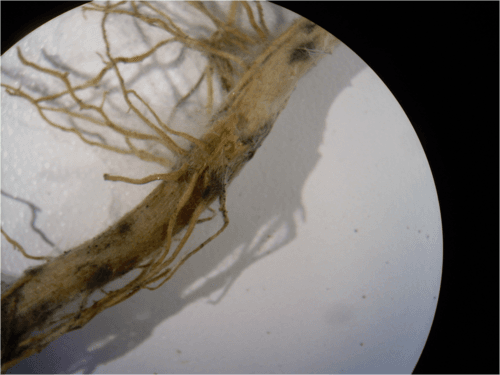

Check these first
- Feel the soil 2 inches deep to see if it is soggy.
- Check if the pot has drainage holes.
- Smell the soil for a sour or rotten odor.
Likely causes
Overwatering during dormancy
Most likelyHow to tell: The stems turn mushy or black at the base. If you dig down, the tuber feels soft or smells foul.
What to do: Stop watering completely once the foliage dies back in autumn. Keep the tuber in dry soil until you see new growth in spring.
Poor drainage
PossibleHow to tell: The soil stays soggy for more than 10 days after watering. The plant looks wilted despite the soil being wet.
What to do: Repot the tuber into a well draining mix containing perlite or sand. Ensure your pot has large drainage holes at the bottom.
When to worry
If the base of the stem is mushy, the rot has likely reached the tuber. This is often fatal if not caught early.
Stopping it coming back
Use a loose, airy potting mix and only water when the top inch of soil feels dry. Never leave the pot sitting in a saucer of water.
Not sure which one it is? Photograph your glory lily.
This page lists the usual causes. Pocket Botanist looks at your actual leaf and tells you the likely cause, how serious it is, and what to try first. Identification and a health check are free.


Questions people ask
- Should I water my Glory lily in winter?
- No, the tuber needs a dry rest period. Keep it in a cool, dry place and withhold water entirely until spring.
- Can I save a rotting tuber?
- If the rot is minor, you can cut away the mushy parts with a sterile knife and let the wound dry for a day. Repot in fresh, dry soil and hope for the best.
More problems with Glory lily
This article was generated with AI from the plant’s care profile and is general information, not horticultural advice. Read about how we build these guides.