 Pocket Botanist
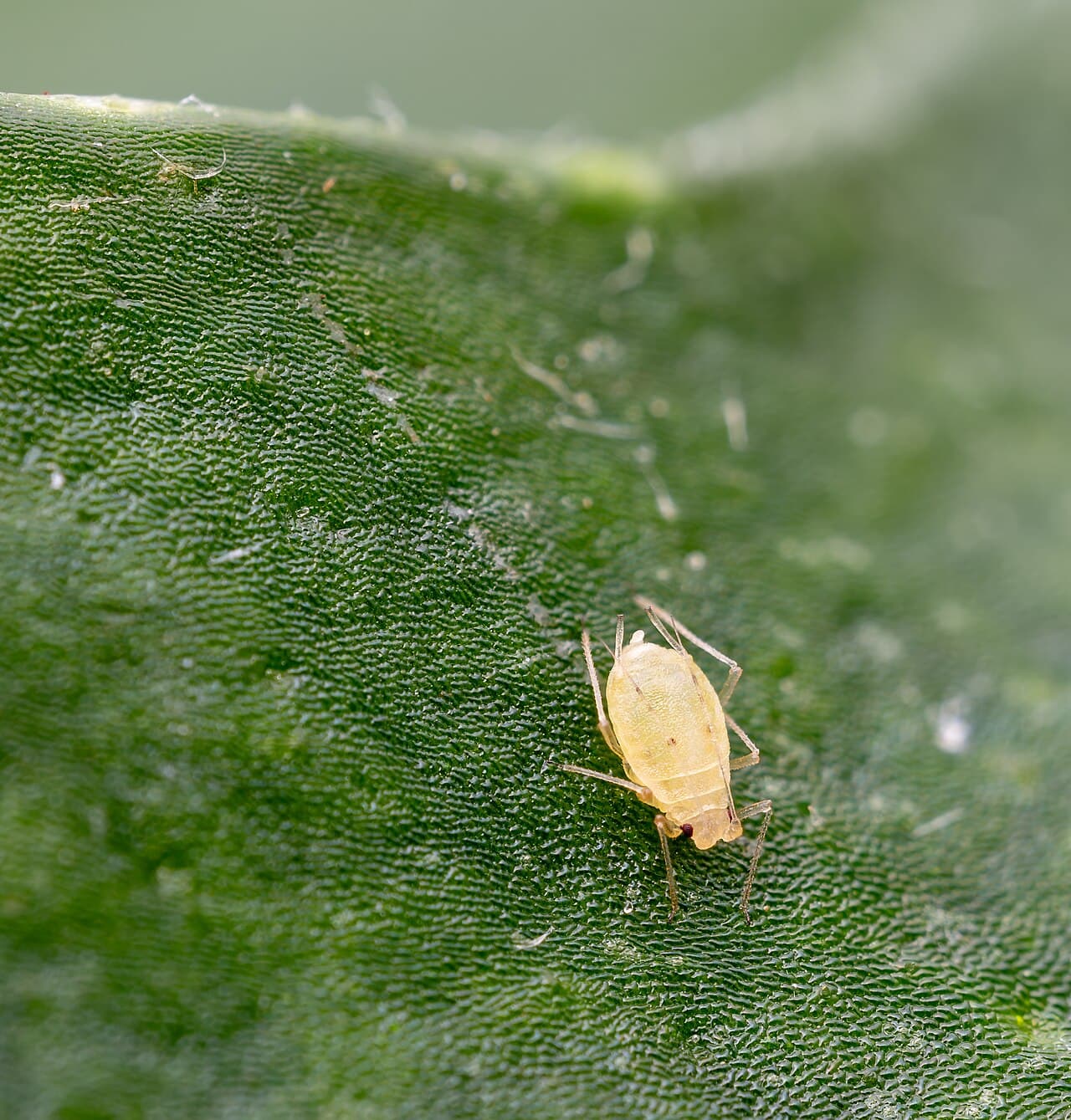

Check these first
- Inspect the webbed areas for small caterpillars.
- Look for tiny moving specks on a white paper held under the branch.
- Check if the damage is localized to one branch or spread across the whole tree.
Likely causes
Mimosa webworm
Most likelyHow to tell: You will see small, brownish leaves tied together with fine webbing. Look inside the webbed clusters for tiny, dark caterpillars.
What to do: Prune out and destroy the infested leaf clusters if the tree is small enough to reach. For larger trees, apply a spray containing spinosad or Bacillus thuringiensis when the larvae are first active in early summer.
Spider mites
PossibleHow to tell: The leaves look stippled or dusty, and you might see very fine webbing between leaf stems. Shake a branch over a white piece of paper to see if tiny specks fall off and move.
What to do: Spray the foliage with a strong stream of water to knock the mites off. If the infestation is heavy, use insecticidal soap or neem oil according to the label directions.
Find out what's wrong with your honey locust
The list above covers the usual causes. Pocket Botanist looks at a photo of your actual plant and tells you the likely cause, how serious it is, and what to try first. Identification and a health check are free.



Scan with your phone's camera to get the app
Or go to pocketbotanist.app/get on your phone
When to worry
It is time to worry if the webbing covers a large portion of the canopy, as this can weaken the tree over time. A few isolated webs are usually just a minor cosmetic issue.
Stopping it coming back
Keep your tree healthy with proper watering and avoid over fertilizing, as lush growth can attract more pests. Monitor the tree starting in late spring for early signs of webbing.
Honey locust: pests? Check yours with a photo
Every plant is a little different. Take a photo of your honey locust and Pocket Botanist tells you which cause is most likely, how serious it is, and what to try first. A few checks a day are free. Save the plant and you get care reminders timed for it.
Scan with your phone's camera to get the app
Or go to pocketbotanist.app/get on your phone
Get the app · Or check it from a photo now, free
Questions people ask
- Will these webs kill my tree?
- Usually no, but they can cause significant browning and stress if the infestation is severe year after year. Keeping the tree vigorous helps it recover.
- Should I use a systemic insecticide?
- Systemic treatments are generally not recommended for large landscape trees due to the risk to beneficial pollinators. Stick to targeted sprays or physical removal.
Guides to these causes
More problems with Honey locust
- Why are my honey locust leaves curling?
- Why are my Honey locust leaves turning brown at the tips?
- What are these spots on my Honey locust leaves?
- Why are my honey locust leaves turning yellow?
- Why is my honey locust drooping?
- Why is my Honey locust losing its leaves?
- Is my Honey locust suffering from root rot?
Back to the Honey locust guide
This article was generated with AI on from the plant’s care profile and is general information, not horticultural advice. Read about how we build these guides.