 Pocket Botanist
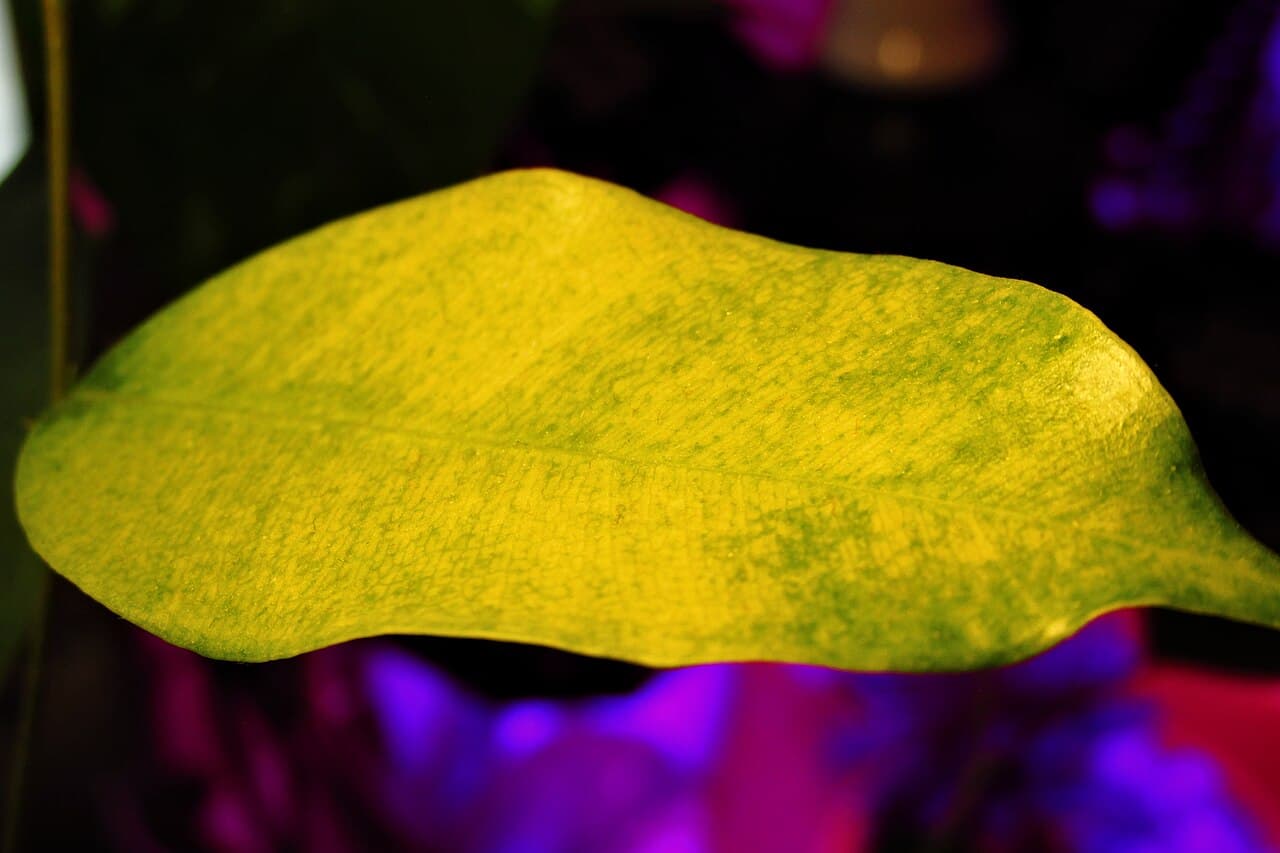

Check these first
- Stick your finger one inch into the soil to check for dampness.
- Check the drainage holes if the plant is in a container.
- Look for signs of pests on the yellowing leaves.
Likely causes
Overwatering
Most likelyHow to tell: The leaves turn yellow and feel soft or mushy. The soil stays wet for more than 14 days.
What to do: Let the top inch of soil dry out completely before watering again. Ensure your pot or garden bed has excellent drainage.
Nutrient Deficiency
PossibleHow to tell: The older leaves turn yellow while the veins remain green. This happens when the soil lacks essential minerals.
What to do: Apply a balanced liquid fertilizer diluted to half strength. Test your soil pH to ensure it is not preventing nutrient uptake.
Find out what's wrong with your carolina cranesbill
The list above covers the usual causes. Pocket Botanist looks at a photo of your actual plant and tells you the likely cause, how serious it is, and what to try first. Identification and a health check are free.



Scan with your phone's camera to get the app
Or go to pocketbotanist.app/get on your phone
When to worry
It is serious if the yellowing spreads rapidly across the whole plant. It is normal for the very bottom leaves to yellow and drop as the plant ages.
Stopping it coming back
Stick to the 7 to 14 day watering schedule and only water when the top inch of soil is dry.
Carolina cranesbill: yellow leaves? Check yours with a photo
Every plant is a little different. Take a photo of your carolina cranesbill and Pocket Botanist tells you which cause is most likely, how serious it is, and what to try first. A few checks a day are free. Save the plant and you get care reminders timed for it.
Scan with your phone's camera to get the app
Or go to pocketbotanist.app/get on your phone
Get the app · Or check it from a photo now, free
Questions people ask
- Should I cut off the yellow leaves?
- Yes, they will not turn green again. Removing them helps the plant focus energy on healthy growth.
- Is yellowing always bad?
- Not always, as older leaves naturally die off. If it is just one or two leaves at the base, you are likely fine.
More problems with Carolina cranesbill
- Why are there white spots on my Carolina cranesbill?
- Why is my Carolina cranesbill growing so tall and thin?
- Why are my Carolina cranesbill leaves getting brown tips?
- Why is my Carolina cranesbill drooping?
- Why is my Carolina cranesbill not blooming?
- Why are there bugs on my Carolina cranesbill?
- Why is my Carolina cranesbill wilting?
- Why are my Carolina cranesbill leaves curling?
Back to the Carolina cranesbill guide
This article was generated with AI on from the plant’s care profile and is general information, not horticultural advice. Read about how we build these guides.