 Pocket Botanist
Plant guide
Guascas.
Galinsoga parviflora
Pronounced gal-in-SO-ga par-vi-FLOR-a
Also known as Galinsoga Weed, Gallant Soldier, Gallant-soldier



Scan with your phone's camera to get the app
Or go to pocketbotanist.app/get on your phone
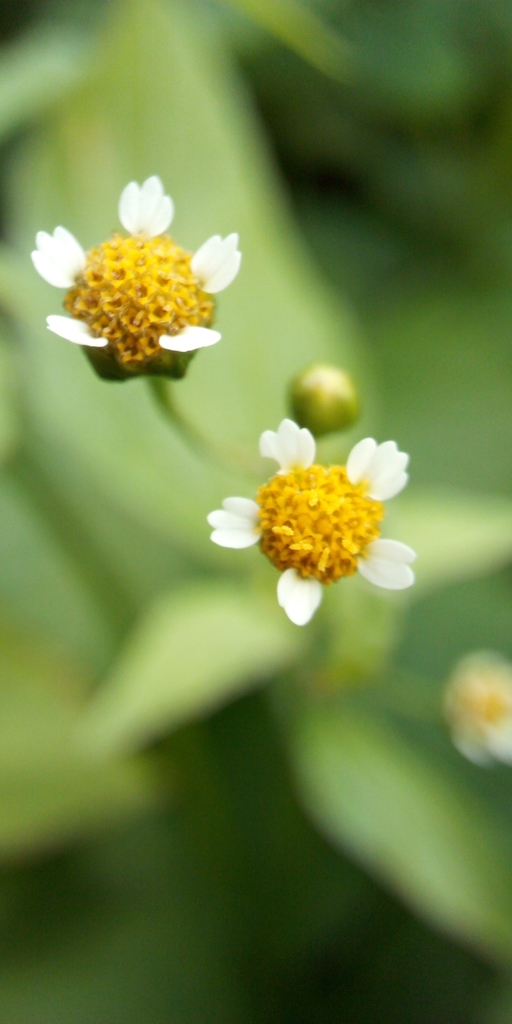
This little plant is a common garden weed that is actually quite tasty in soups. It grows quickly and produces tiny white flowers that look like miniature daisies. You will find it popping up in disturbed soil throughout the growing season.
At a glance
- Care level
- Easy
- Plant type
- Annual herb
- Light
- Full sun to partial shade
- Indoor light
- Direct sun
- Water
- Every 2 to 5 days
- Mature size
- 24 inches
- Growth rate
- Fast
- Hardiness
- USDA 2 to 11
- Bloom time
- Late spring to autumn
Care
Keep the soil consistently moist to encourage lush growth. Watch for wilting if the sun gets too intense during hot summer afternoons. It is a prolific seeder, so pull it before it drops seeds if you want to control its spread.
- Watering
- Keep the soil evenly damp but never waterlogged.
- Feeding
- Apply a balanced liquid fertilizer once a month during the active growing season.
- Pruning
- Pinch back the tips to encourage a bushier shape and prevent early flowering.
- Repotting
- Since it is an annual, you will typically start fresh from seeds each year.
- Soil
- Well draining loamy soil
- Soil pH
- 6.0 to 7.5
- Temperature
- 5 to 35°C
- Humidity
- 40 to 70%
Safety
- People
- The plant is generally considered non toxic but should be consumed with caution due to potential nitrate accumulation.
- Children
- There are no specific safety concerns for children, though it is best to prevent them from eating wild plants.
- Contact allergens
- Contact with the foliage may cause mild skin irritation in sensitive individuals.
- Airborne allergens
- The pollen may trigger mild allergic reactions in those sensitive to Asteraceae family plants.
- Edibility
- While edible, it is often confused with toxic lookalikes and can accumulate nitrates if grown in nitrogen rich soil.
How to identify it
- Small white ray florets
- Opposite serrated green leaves
- Hairy stems and foliage
- Yellow central disc florets
- Small bushy growth habit
- Height
- 0.1 to 0.75m
- Spread
- 0.1 to 0.4m
- Leaves
- green, deciduous
- Flowers
- white, yellow, 0.5 to 1cm
- Fruit
- black, Summer to autumn
Problems to watch for
- Powdery mildew · A fungal infection that creates a white dusty coating on the leaves.
Check your guascas from a photo
Pocket Botanist looks at a photo of your plant and tells you what's wrong and what to try first.
Scan with your phone's camera to get the app
Or go to pocketbotanist.app/get on your phone
Growing it
- Propagation
- seed
- When to plant
- spring
It is best managed as a wild companion rather than intentionally planted due to its invasive nature.
Grows well with
- Tomato · They often grow together in garden settings as opportunistic companions.
Similar species
- Shaggy soldier · It is very similar in appearance but has hairier stems and leaves.
Science
- Family
- Asteraceae
- Genus
- Galinsoga
- Order
- Asterales
- Class
- Magnoliopsida
- Native range
- South America
- Conservation
- It is considered a widespread invasive weed in many parts of the world and is not of conservation concern.
It thrives in disturbed habitats and open soil where it can quickly colonize and outcompete slower growing plants.
- Value to wildlife
- nectar source
- Pollinators
- bees, butterflies
- Uses
- culinary herb, wildlife forage
Through the year
Ecological indicators
- Salinity
- 2/9
- Soil reaction
- 6/9
- Light
- 7/9
- Temperature
- 6/9
- Moisture
- 6/9
- Nutrients
- 7/9
Taxonomy resolved against GBIF.
Questions people ask
- Is Galinsoga parviflora a weed?
- Yes, it is widely considered an aggressive weed in gardens and agricultural fields.
- Can I eat it?
- Yes, it is edible, but ensure you have correctly identified it before consumption.
Where the name comes from
The genus name honors the Spanish botanist Ignacio Mariano Martinez de Galinsoga, while the species name means small flowered.
Good to know
- It is commonly known as gallant soldier in English.
- The plant can produce thousands of seeds per individual.
- It is often used in soups and stews in parts of South America.
- It thrives in disturbed soils and gardens.
Keep your guascas growing
This page is a general guide. Save your plant in Pocket Botanist and you get care reminders timed for this plant, plus a care history that shows what worked.
Scan with your phone's camera to get the app
Or go to pocketbotanist.app/get on your phone
This guide was generated with AI on and checked against GBIF taxonomy. It is general information, not horticultural or veterinary advice. Read about how we build these guides.