 Pocket Botanist
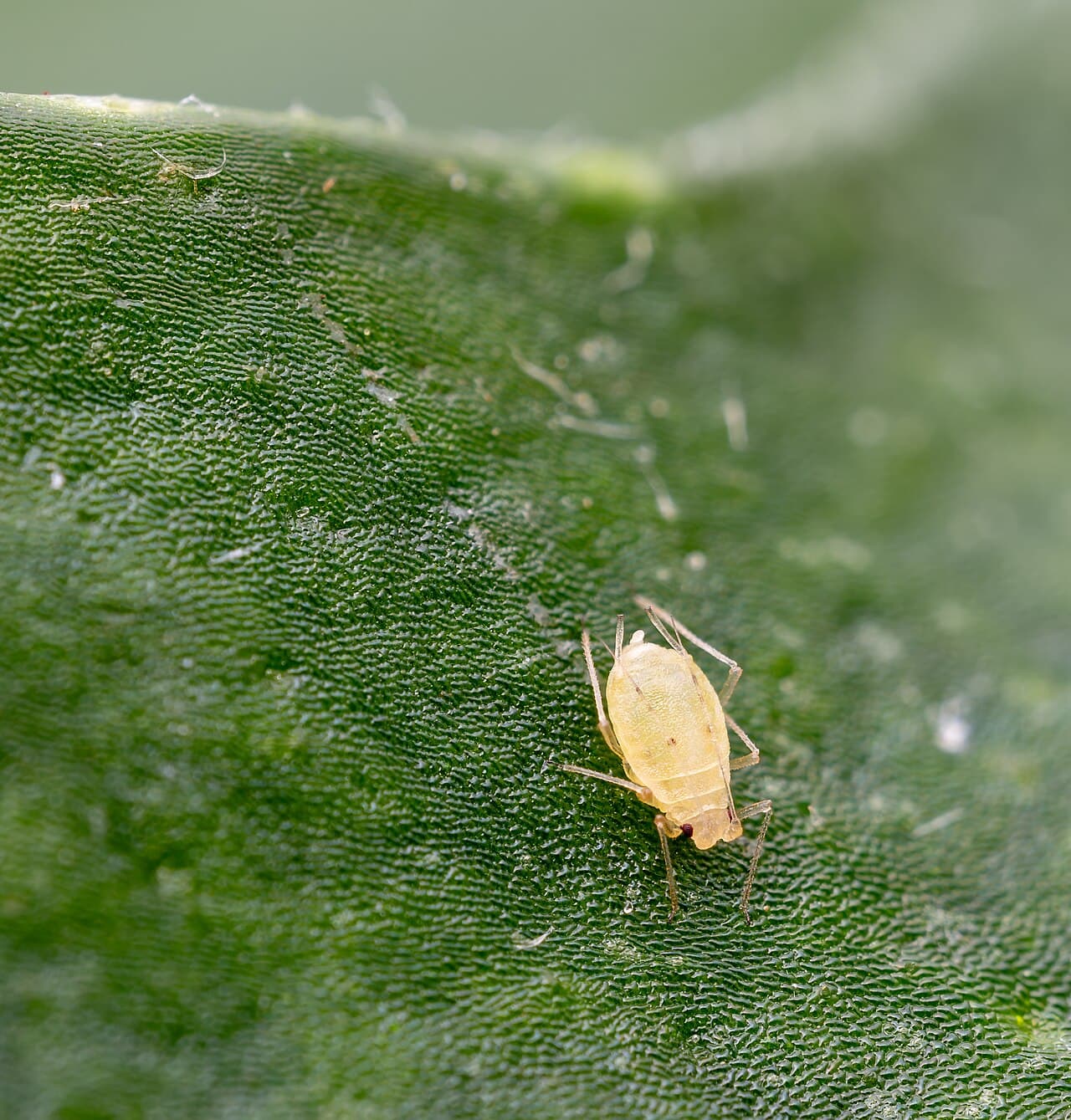

Check these first
- Inspect the stems for woody, tumor like growths.
- Look closely at the bark for small, stationary bumps.
- Check if the growth is localized to one branch or spread throughout.
Likely causes
Forsythia gall
Most likelyHow to tell: Hard, round, woody growths or knots appear on the stems and branches.
What to do: Prune out the affected branches several inches below the gall. Sterilize your pruning shears with alcohol between every cut to avoid spreading the bacteria.
Scale insects
PossibleHow to tell: Small, bumpy, shell like insects appear on the stems, often looking like part of the bark.
What to do: Scrape off light infestations with a soft brush. For heavier issues, apply horticultural oil in late winter while the plant is dormant.
Find out what's wrong with your weeping forsythia
The list above covers the usual causes. Pocket Botanist looks at a photo of your actual plant and tells you the likely cause, how serious it is, and what to try first. Identification and a health check are free.



Scan with your phone's camera to get the app
Or go to pocketbotanist.app/get on your phone
When to worry
Gall can weaken the plant and make it susceptible to other issues, so remove the growths as soon as you spot them.
Stopping it coming back
Keep your tools clean and ensure the plant is not stressed by drought or poor soil conditions.
Weeping forsythia: pests? Check yours with a photo
Every plant is a little different. Take a photo of your weeping forsythia and Pocket Botanist tells you which cause is most likely, how serious it is, and what to try first. A few checks a day are free. Save the plant and you get care reminders timed for it.
Scan with your phone's camera to get the app
Or go to pocketbotanist.app/get on your phone
Get the app · Or check it from a photo now, free
Questions people ask
- Is Forsythia gall contagious?
- Yes, the bacteria can spread through pruning tools or splashing water. Always clean your tools thoroughly.
- Should I remove the whole plant?
- Only if the gall has covered the main trunk or the majority of the shrub. Most plants recover well with careful pruning.
Guides to these causes
More problems with Weeping forsythia
- Why is my Weeping forsythia not flowering?
- Why are there spots on my Weeping forsythia leaves?
- Why is my weeping forsythia looking so leggy?
- Why are my weeping forsythia leaves turning yellow?
- Why are the tips of my weeping forsythia leaves turning brown?
- Why is my weeping forsythia drooping?
- Why is my weeping forsythia losing its leaves?
- Why is my weeping forsythia suffering from root rot?
Back to the Weeping forsythia guide
This article was generated with AI on from the plant’s care profile and is general information, not horticultural advice. Read about how we build these guides.