 Pocket Botanist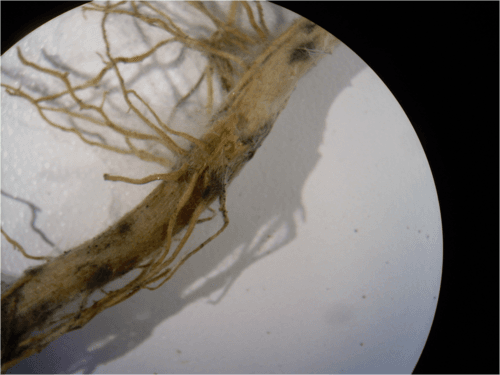

Check these first
- Stick your finger 2 inches into the soil to check for sogginess.
- Smell the soil for a musty or rotten odor.
- Ensure the pot is not sitting in a saucer of standing water.
Likely causes
Overwatering
Most likelyHow to tell: The soil stays muddy for days and the plant looks limp. You might notice a sour smell coming from the pot or soil surface.
What to do: Stop watering immediately and let the top 2 inches of soil dry out. Ensure your container has drainage holes at the bottom.
Poor drainage
PossibleHow to tell: Water pools on the surface after you pour it. The soil feels dense and heavy like clay.
What to do: Repot the plant into a container with better drainage holes. Mix in perlite or coarse sand to improve aeration in the soil.
When to worry
If the stems are turning black or mushy at the base, the rot is advanced. If the plant is severely wilted and the roots are brown and slimy, it may be too late.
Stopping it coming back
Always check the soil moisture before watering. Use a well-draining soil mix and never let the plant sit in a tray of water.
Not sure which one it is? Photograph your buckwheat.
This page lists the usual causes. Pocket Botanist looks at your actual leaf and tells you the likely cause, how serious it is, and what to try first. Identification and a health check are free.


Questions people ask
- Can I save a plant with root rot?
- If the damage is minor, you can trim away the mushy roots and repot in fresh, dry soil. If most of the root system is black, it is usually best to start over.
- How often should I water?
- Every 3 to 7 days is standard, but always check the soil first. If it is still damp, wait another day.
More problems with Buckwheat
This article was generated with AI from the plant’s care profile and is general information, not horticultural advice. Read about how we build these guides.