 Pocket Botanist

Check these first
- Feel the soil moisture several inches deep.
- Inspect the drainage of your planting site.
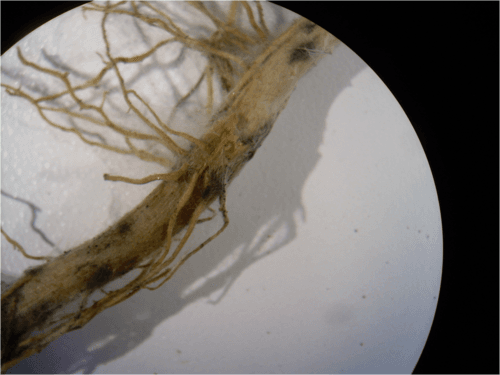
- Check the base of the stem for soft or discolored tissue.
Likely causes
Poorly draining soil
Most likelyHow to tell: The base of the plant feels mushy and the foliage turns yellow or wilts despite wet soil. You might also notice a foul smell coming from the root zone.
What to do: Transplant the buckwheat into a gritty, well-draining soil mix with plenty of sand or gravel. Ensure the planting site is on a slope or a raised bed to encourage water runoff.
Overwatering
Most likelyHow to tell: The soil stays damp for days after watering. The plant shows signs of decline starting from the center outward.
What to do: Stop watering immediately and let the soil dry out completely. Adjust your schedule to water only every 14 to 21 days during the hottest months.
Find out what's wrong with your sulphur-flower buckwheat
The list above covers the usual causes. Pocket Botanist looks at a photo of your actual plant and tells you the likely cause, how serious it is, and what to try first. Identification and a health check are free.



Scan with your phone's camera to get the app
Or go to pocketbotanist.app/get on your phone
When to worry
If the entire base of the plant is mushy and dark, it is likely too late to save. Some minor browning after a heavy rain is normal as long as the plant dries out quickly.
Stopping it coming back
Always plant in fast-draining, rocky soil and avoid adding organic matter that holds moisture. Ensure the plant is never sitting in a low spot where water pools.
Sulphur-flower buckwheat: root rot? Check yours with a photo
Every plant is a little different. Take a photo of your sulphur-flower buckwheat and Pocket Botanist tells you which cause is most likely, how serious it is, and what to try first. A few checks a day are free. Save the plant and you get care reminders timed for it.
Scan with your phone's camera to get the app
Or go to pocketbotanist.app/get on your phone
Get the app · Or check it from a photo now, free
Questions people ask
- Can I save a plant with root rot?
- If you catch it early, you can try to improve drainage or move the plant to a drier spot. If the roots are black and slimy, the plant is likely beyond recovery.
- How often should I water my buckwheat?
- Water deeply every 7 to 14 days during the first year. Once established, this plant prefers to be left alone and rarely needs supplemental water.
More problems with Sulphur-flower buckwheat
Back to the Sulphur-flower buckwheat guide
This article was generated with AI on from the plant’s care profile and is general information, not horticultural advice. Read about how we build these guides.