 Pocket Botanist

Check these first
- Smell the soil for a musty or rotten odor.
- Inspect the drainage holes to ensure they are not blocked.
- Check if the plant is sitting in a pool of water.
Likely causes
Poor drainage
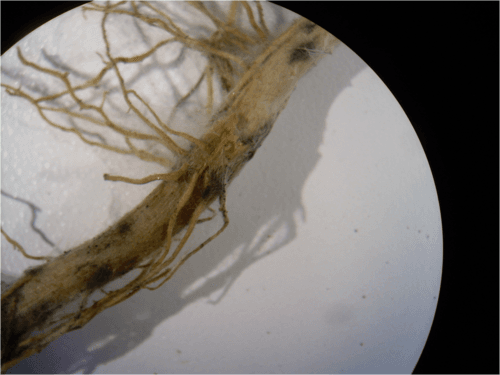
Most likelyHow to tell: The soil feels like thick mud and smells sour or swampy. The base of the plant may look mushy or dark.
What to do: Repot the plant into a mix of peat moss and perlite to improve airflow. Ensure the container has large drainage holes at the bottom.
Overwatering
PossibleHow to tell: The plant sits in a saucer of standing water for days. The foliage turns limp and loses its vibrant color.
What to do: Empty the drip tray after every watering session. Only water when the top inch of soil feels slightly less than damp, but never let it dry out completely.
Find out what's wrong with your cross-leaved heath
The list above covers the usual causes. Pocket Botanist looks at a photo of your actual plant and tells you the likely cause, how serious it is, and what to try first. Identification and a health check are free.



Scan with your phone's camera to get the app
Or go to pocketbotanist.app/get on your phone
When to worry
If the stems are black and mushy at the base, the plant is likely beyond recovery. It is normal for the plant to look slightly thirsty if you miss a watering by a day.
Stopping it coming back
Use a well-draining, acidic potting mix and always empty your saucer after watering.
Cross-leaved heath: root rot? Check yours with a photo
Every plant is a little different. Take a photo of your cross-leaved heath and Pocket Botanist tells you which cause is most likely, how serious it is, and what to try first. A few checks a day are free. Save the plant and you get care reminders timed for it.
Scan with your phone's camera to get the app
Or go to pocketbotanist.app/get on your phone
Get the app · Or check it from a photo now, free
Questions people ask
- Can I save a plant with root rot?
- If you catch it early, trim away the black, mushy roots and repot in fresh, sterile soil. If the rot has reached the main stem, it is usually too late.
- Does this plant need a boggy environment?
- It loves moisture, but it needs oxygen too. It prefers damp, peaty soil rather than standing water.
More problems with cross-leaved heath
Back to the cross-leaved heath guide
This article was generated with AI on from the plant’s care profile and is general information, not horticultural advice. Read about how we build these guides.