 Pocket Botanist
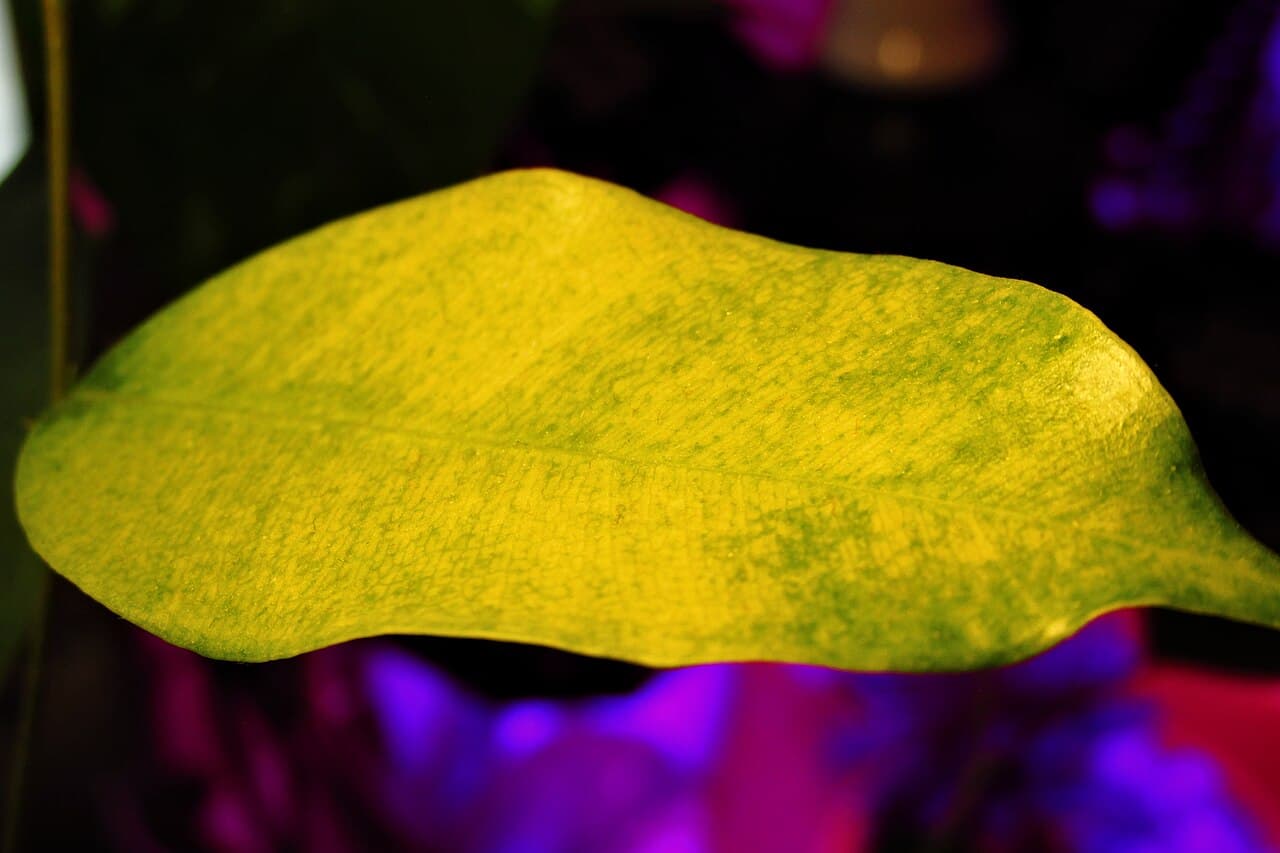

Check these first
- Feel the soil to see if it is bone dry or soaking wet.
- Check if the yellowing is on old leaves or new growth.
- Look for signs of pests on the undersides of the leaves.
Likely causes
Inconsistent watering
Most likelyHow to tell: The leaves turn yellow and crispy if the plant dries out too much. If it stays too wet, they turn yellow and soft.
What to do: Stick to a consistent schedule of checking the soil every 1 to 3 days. Keep the soil evenly moist but never waterlogged.
Nutrient deficiency
PossibleHow to tell: The older leaves turn yellow while the veins remain green. This happens when the plant has outgrown its pot or the soil is depleted.
What to do: Apply a balanced liquid fertilizer diluted to half strength every 4 to 6 weeks during the growing season. If the plant is root bound, move it to a larger pot.
Find out what's wrong with your false daisy
The list above covers the usual causes. Pocket Botanist looks at a photo of your actual plant and tells you the likely cause, how serious it is, and what to try first. Identification and a health check are free.



Scan with your phone's camera to get the app
Or go to pocketbotanist.app/get on your phone
When to worry
A single yellow leaf at the base of the plant is normal aging. If multiple leaves are yellowing at once, your care routine needs adjustment.
Stopping it coming back
Maintain a steady watering rhythm and feed the plant regularly during the spring and summer. Use a high quality potting mix to ensure good nutrient availability.
False daisy: yellow leaves? Check yours with a photo
Every plant is a little different. Take a photo of your false daisy and Pocket Botanist tells you which cause is most likely, how serious it is, and what to try first. A few checks a day are free. Save the plant and you get care reminders timed for it.
Scan with your phone's camera to get the app
Or go to pocketbotanist.app/get on your phone
Get the app · Or check it from a photo now, free
Questions people ask
- Should I cut off the yellow leaves?
- Yes, they will not turn green again. Removing them helps the plant focus its energy on new growth.
- Is my plant getting too much sun?
- Trailing eclipta likes bright light, but harsh, direct sun can bleach the leaves. If the yellowing is accompanied by scorched spots, move it to partial shade.
More problems with False daisy
- Why are there bugs on my Trailing eclipta?
- Why is my False Daisy drooping?
- Why is my False Daisy growing leggy?
- Why is my Trailing eclipta wilting despite wet soil?
- Why are my False Daisy leaf tips turning brown?
- Why is my false daisy losing its leaves?
- What are these spots on my false daisy leaves?
- Why is my false daisy not blooming?
- Why are my Eclipta prostrata leaves curling?
This article was generated with AI on from the plant’s care profile and is general information, not horticultural advice. Read about how we build these guides.