 Pocket Botanist
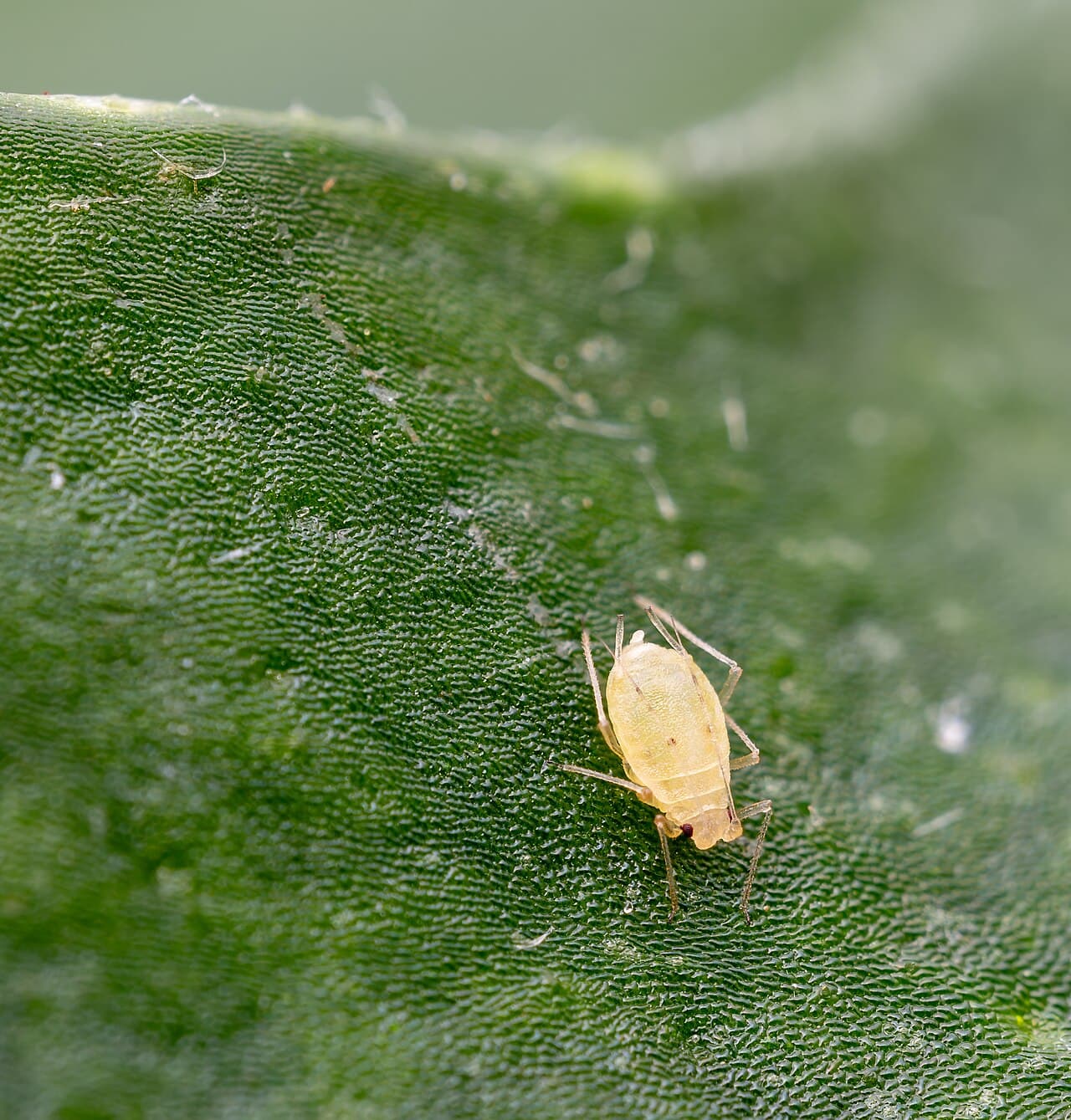

Check these first
- Look closely at the crevices between the leaves.
- Wipe the white spots with a damp cloth to see if they come off.
- Check nearby plants for similar white fuzzy patches.
Likely causes
Mealybug Infestation
Most likelyHow to tell: You will see white, cottony masses tucked into the folds where the leaves meet. The plant may look slightly wilted or stunted.
What to do: Dip a cotton swab in rubbing alcohol and dab it directly onto the white spots. Repeat this every few days until you no longer see any bugs.
New Plant Introduction
PossibleHow to tell: You recently brought a new plant home and placed it near your snake plant. Pests often travel from new additions.
What to do: Isolate the affected plant from your other houseplants. Treat the infestation with insecticidal soap or neem oil once a week for a month.
Find out what's wrong with your cylindrical snake plant
The list above covers the usual causes. Pocket Botanist looks at a photo of your actual plant and tells you the likely cause, how serious it is, and what to try first. Identification and a health check are free.



Scan with your phone's camera to get the app
Or go to pocketbotanist.app/get on your phone
When to worry
If the infestation covers the entire plant, it can be very difficult to clear. Treat it as soon as you see the first sign of white fluff.
Stopping it coming back
Inspect new plants carefully before bringing them into your home. Wipe down your plant leaves occasionally to keep them clean.
Cylindrical Snake Plant: pests? Check yours with a photo
Every plant is a little different. Take a photo of your cylindrical snake plant and Pocket Botanist tells you which cause is most likely, how serious it is, and what to try first. A few checks a day are free. Save the plant and you get care reminders timed for it.
Scan with your phone's camera to get the app
Or go to pocketbotanist.app/get on your phone
Get the app · Or check it from a photo now, free
Questions people ask
- Are mealybugs harmful to my plant?
- Yes, they drain the plant of nutrients and can cause leaf damage. They can also spread to your other houseplants.
- Do I need to use harsh chemicals?
- No, rubbing alcohol or mild insecticidal soap is usually enough. Avoid heavy pesticides.
Guides to these causes
More problems with Cylindrical Snake Plant
Back to the Cylindrical Snake Plant guide
This article was generated with AI on from the plant’s care profile and is general information, not horticultural advice. Read about how we build these guides.