 Pocket Botanist
Guía de plantas
Sticky monkeyflower.
Diplacus aurantiacus
Pronunciación DIP-la-kus aw-ran-tee-AY-kus
También se conoce como Sticky or Orange Bush Monkey-flower, bush monkey-flower, bush monkeyflower, orange bush monkey-flower, orange bush monkeyflower, orange sticky monkeyflower, sticky monkey-flower


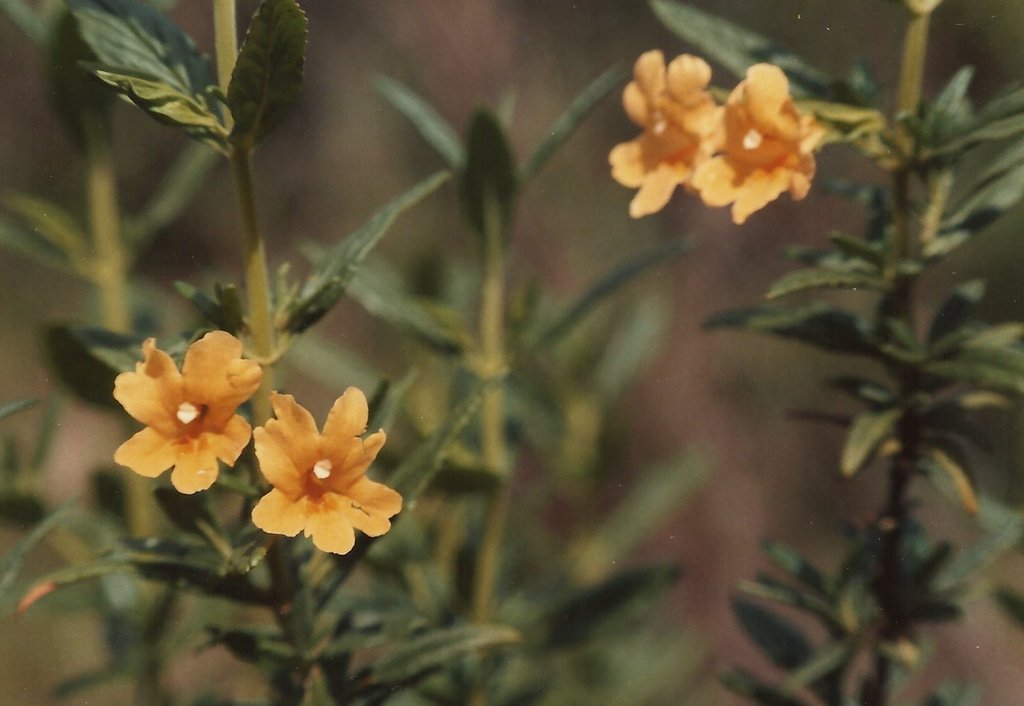
The sticky monkeyflower is a lovely shrub native to western North America. It produces vibrant, trumpet shaped flowers that attract hummingbirds and butterflies to your garden. You will enjoy how its resinous leaves give it a unique, shiny appearance.

De un vistazo
- Nivel de cuidados
- Media
- Tipo de planta
- Evergreen shrub
- Luz
- Full sun
- Luz en interior
- Sol directo
- Riego
- Cada 7 a 14 días
- Tamaño adulto
- 3 to 5 feet
- Ritmo de crecimiento
- Medio
- Rusticidad
- USDA 8 a 10
- Floración
- Spring to late summer
Cuidados
Plant this shrub in well draining soil to prevent root rot. Watch for yellowing leaves, which often signal that the plant is getting too much water. Prune back after flowering to encourage a bushier shape and more blooms next season.
- Riego
- Allow the soil to dry out significantly between waterings.
- Abonado
- Apply a light, balanced fertilizer during the active growing season.
- Poda
- Trim back the stems once the flowering period ends to maintain shape.
- Trasplante
- Repot only when the plant becomes root bound in its container.
- Suelo
- Sandy or rocky, well draining
- pH del suelo
- 6.0 to 7.5
- Temperatura
- -7 a 35°C
- Humedad
- 20 a 50%
- Tolerancia a la sequía
- Alta
- Longevidad
- Perennial, typically 5 to 10 years
- Resistencia a ciervos y conejos
- Moderada
Señales de que necesita trasplante
- Roots growing out of the drainage holes.
- Water sitting on the surface for too long.
- Stunted growth during the active season.
Seguridad
- Personas
- The plant is generally considered non-toxic, but the sticky resin can cause mild skin irritation in sensitive individuals.
- Niños
- The sticky foliage may be messy for small children to handle, but it poses no significant ingestion risk.
- Alérgenos por contacto
- The sticky, resinous foliage can cause contact dermatitis in sensitive individuals.
- Alérgenos en el aire
- There are no notable respiratory allergens associated with this plant.
- Comestibilidad
- This plant is not considered edible and may cause stomach upset if ingested.
Cómo identificarla
- Trumpet shaped orange or yellow flowers
- Resinous and sticky lance shaped leaves
- Woody stems with peeling bark
- Opposite leaf arrangement on stems
- Altura
- 0,6 a 1,2m
- Anchura
- 0,6 a 1,2m
- Hojas
- dark green, sticky, evergreen
- Flores
- orange, apricot, red, yellow, 3 a 5cm
- Frutos
- brown, late summer
Problemas frecuentes
- Powdery mildew — A fungal infection that appears as white, dusty patches on the leaves during humid weather.
- Aphids — Small insects that cluster on new growth and suck plant sap.
Cómo cultivarla
- Propagación
- cuttings, seed
- Cuándo plantar
- spring, fall
- Cuidados en invierno
- Keep the soil on the drier side during winter to prevent root rot. If you live in a very cold area, move the container to a sheltered spot.
- En maceta
- It is excellent for containers, provided you use a fast draining potting mix and a pot at least 30 cm wide.
Stem Cuttings
- 1. Take 10 cm cuttings from non-flowering stems in spring.
- 2. Remove the lower leaves.
- 3. Dip the end in rooting hormone.
- 4. Place in a well-draining potting mix.
- 5. Keep moist until roots form.
Group this plant with other drought tolerant natives to ensure they all receive the same low water treatment.
Buenas compañeras
- Artemisia californica — They share similar water and sun requirements in a native landscape.
- Salvia clevelandii — This companion provides a lovely color contrast and attracts similar pollinators.
Especies parecidas
- Erythranthe cardinalis — A related species that prefers much wetter soil conditions.
Ciencia
- Familia
- Phrymaceae
- Género
- Diplacus
- Orden
- Lamiales
- Clase
- Magnoliopsida
- Distribución natural
- Western North America, primarily California and Oregon.
- Conservación
- This plant is common in its native range and is not currently of conservation concern.
This plant is adapted to survive in dry, sunny chaparral and coastal scrub environments.
- Valor para la fauna
- nectar source, larval host plant
- Polinizadores
- abejas, mariposas, colibríes
- Usos
- xeriscaping, pollinator gardens, coastal landscaping, container gardening
A lo largo del año
Indicadores ecológicos
- Salinidad
- 4/9
- Reacción del suelo
- 6/9
- Luz
- 8/9
- Temperatura
- 7/9
- Humedad
- 2/9
- Nutrientes
- 2/9
Taxonomía cotejada con GBIF.
Lo que más preguntan
- Does it need regular pruning?
- Yes, light pruning after flowering helps maintain a compact shape and encourages more blooms.
- Can I grow it in a pot?
- It grows very well in containers provided they have excellent drainage.
De dónde viene el nombre
The name Diplacus comes from the Greek words for double and plate, referring to the split seed capsules. Aurantiacus refers to the orange color of the flowers.
Bueno saberlo
- It is commonly known as the sticky monkey flower because the flowers resemble a monkey face.
- The plant is highly drought tolerant once established.
- It thrives in poor, rocky soils where other plants struggle.
- The genus name Diplacus refers to the two-parted seed pod.
También en
¿Tu sticky monkeyflower tiene mal aspecto?
Esta página es una guía general. Pocket Botanist diagnostica problemas a partir de una foto de tu propia planta, calcula el riego según tu luz y tus condiciones, y te avisa cuando toca cuidarla.
Esta guía se ha generado con IA y se ha cotejado con la taxonomía de GBIF. Es información general, no asesoramiento botánico ni veterinario. Descubre cómo elaboramos estas guías.