 Pocket Botanist

Check these first
- Feel the top inch of soil to see if it is soggy.
- Check the bottom of the pot to ensure water is draining freely.
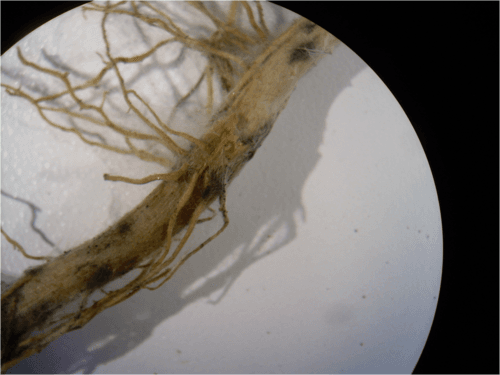
- Inspect the base of the stems for soft or discolored tissue.
Likely causes
Overwatering
Most likelyHow to tell: The plant looks wilted even when the soil is wet, and the stems feel mushy near the base.
What to do: Stop watering immediately and let the top 2 inches of soil dry out. If the plant does not perk up, gently remove it from the pot to inspect the roots for brown, slimy decay.
Poor drainage
Most likelyHow to tell: Water pools on the surface of the soil for a long time after you water. The pot may lack holes or the soil mix is too dense.
What to do: Repot your centaury into a container with drainage holes at the bottom. Use a well draining potting mix, ideally one blended with perlite or coarse sand to improve airflow.
Find out what's wrong with your common centaury
The list above covers the usual causes. Pocket Botanist looks at a photo of your actual plant and tells you the likely cause, how serious it is, and what to try first. Identification and a health check are free.



Scan with your phone's camera to get the app
Or go to pocketbotanist.app/get on your phone
When to worry
If the roots are black and smell foul, the plant is likely beyond saving. It is normal for the plant to look slightly thirsty if you wait until the top inch of soil is dry.
Stopping it coming back
Always wait until the top inch of soil is dry before watering again. Ensure your pot has plenty of drainage holes to prevent standing water.
Common centaury: root rot? Check yours with a photo
Every plant is a little different. Take a photo of your common centaury and Pocket Botanist tells you which cause is most likely, how serious it is, and what to try first. A few checks a day are free. Save the plant and you get care reminders timed for it.
Scan with your phone's camera to get the app
Or go to pocketbotanist.app/get on your phone
Get the app · Or check it from a photo now, free
Questions people ask
- Can I save a plant with root rot?
- If you catch it early, you can trim away the mushy brown roots with clean scissors. Repot the plant in fresh, dry soil and water sparingly until new growth appears.
- How often should I water my centaury?
- Water every 3 to 7 days, but only when the top inch of soil feels dry. Always check the soil rather than sticking to a strict calendar.
More problems with Common centaury
- Why is my common centaury not flowering?
- Why are there white spots on my common centaury?
- Why is my common centaury drooping?
- Why is my common centaury looking so leggy?
- Why are my common centaury's leaves turning yellow?
- Why are my common centaury's leaf tips turning brown?
- Are there bugs on my common centaury?
- Why are my common centaury's leaves curling?
Back to the Common centaury guide
This article was generated with AI on from the plant’s care profile and is general information, not horticultural advice. Read about how we build these guides.