 Pocket Botanist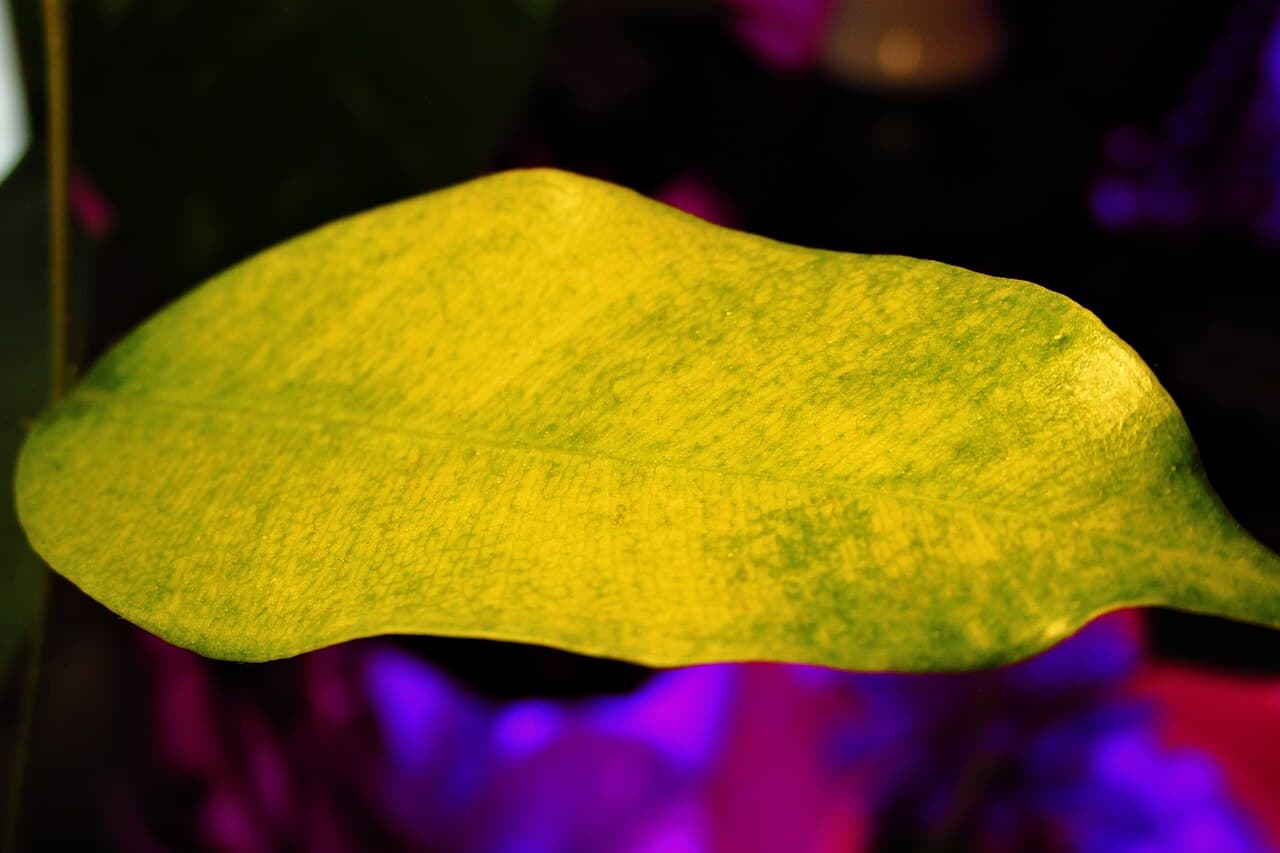
.jpg)
Check these first
- Test the water for nitrogen levels.
- Check if the water is stagnant or cloudy.
- Inspect the roots for signs of decay.
Likely causes
Nitrogen deficiency
Most likelyHow to tell: The entire fern mat turns a pale yellow or lime green color instead of its usual deep green or reddish hue.
What to do: Add a small amount of aquatic plant fertilizer specifically designed for ponds. Ensure the product is safe for any fish or wildlife living in the water.
Poor water quality
PossibleHow to tell: The water looks murky or smells bad, and the ferns appear weak and yellow.
What to do: Perform a partial water change to refresh the nutrients. Remove any decaying organic matter from the bottom of the pond.
When to worry
Worry if the yellowing spreads rapidly across the entire colony. It is normal for a few older fronds to fade as the plant grows.
Stopping it coming back
Keep your pond water balanced with regular, small water changes and avoid overstocking with fish.
Not sure which one it is? Photograph your water fern.
This page lists the usual causes. Pocket Botanist looks at your actual leaf and tells you the likely cause, how serious it is, and what to try first. Identification and a health check are free.


Questions people ask
- Can I use regular houseplant fertilizer?
- No, regular fertilizer can be toxic to pond life and cause massive algae blooms. Always use products labeled as safe for aquatic environments.
- Does low light cause yellowing?
- Yes, if the plant is in deep shade, it may lose its vibrant color. Try moving it to a spot with more bright, indirect light.
More problems with Water fern
This article was generated with AI from the plant’s care profile and is general information, not horticultural advice. Read about how we build these guides.