 Pocket Botanist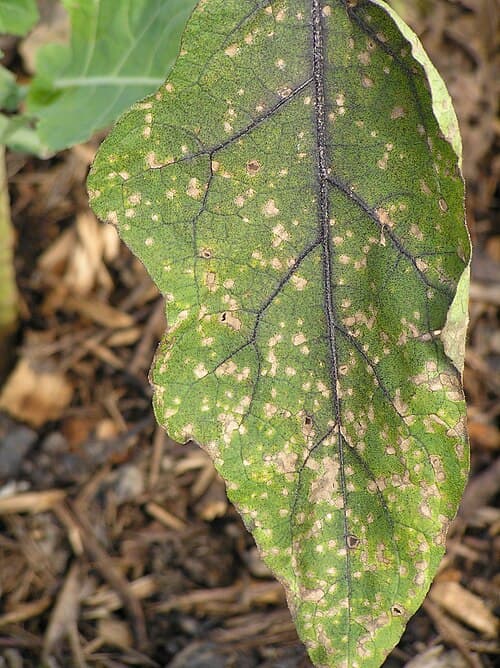

Check these first
- Look for spots on the undersides of the leaves.
- Check if the foliage stays wet for long periods.
- Ensure the plant has enough space for air to move around it.
Likely causes
Fungal leaf spot
Most likelyHow to tell: Small brown or black spots appear on the fronds, sometimes with a yellow halo. This occurs when water sits on the leaves in cool, damp conditions.
What to do: Remove the affected fronds immediately to stop the spread. Improve air circulation by moving the plant to a spot with better airflow.
Overhead watering
PossibleHow to tell: Spots appear after you water the plant from above. The water droplets act as a breeding ground for fungal spores.
What to do: Water directly at the base of the plant to keep the foliage dry. Avoid misting the leaves directly if the room is cool.
When to worry
If the spots are spreading quickly or turning into mushy patches, the infection is serious. Small, isolated spots are usually manageable with better care.
Stopping it coming back
Always water the soil directly and ensure your fern has plenty of space for air to circulate.
Not sure which one it is? Photograph your hart's tongue fern.
This page lists the usual causes. Pocket Botanist looks at your actual leaf and tells you the likely cause, how serious it is, and what to try first. Identification and a health check are free.


Questions people ask
- Can I use a fungicide?
- It is usually better to improve the environment first. If you must use one, choose a mild organic copper fungicide.
- Are these spots pests?
- Usually not, but check closely for tiny insects. Fungal spots are typically flat and do not move.
More problems with Hart's tongue fern
Back to the Hart's tongue fern guide
This article was generated with AI from the plant’s care profile and is general information, not horticultural advice. Read about how we build these guides.