 Pocket Botanist
Plant guide
Milkweed.
Asclepias
Pronounced as-KLEE-pee-as
Also known as Milkweed, butterfly plants, milkweeds


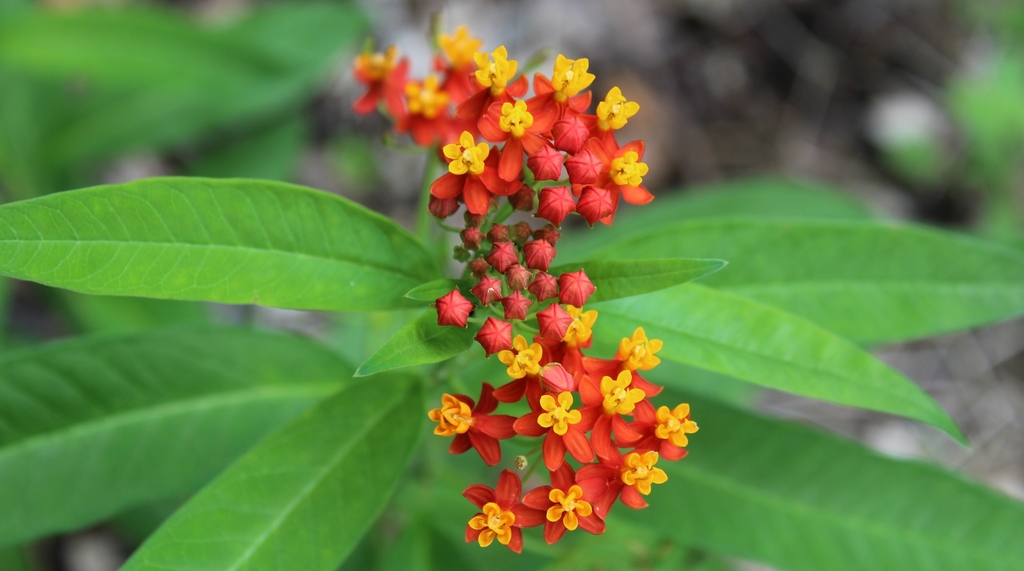
Milkweeds are wonderful perennials that serve as the primary host plant for monarch butterfly larvae. They produce clusters of unique, fragrant flowers that attract a wide variety of pollinators to your garden. These plants are hardy and thrive in sunny spots with well draining soil.

At a glance
- Care level
- Easy
- Plant type
- Herbaceous perennial
- Light
- Full sun
- Indoor light
- Direct sun
- Water
- Every 7 to 14 days
- Mature size
- 3 to 5 feet
- Growth rate
- Medium
- Hardiness
- USDA 3 to 9
- Bloom time
- Mid to late summer
Care
Plant these in a spot that gets plenty of sun to keep them sturdy and blooming well. Watch for aphids on the stems, which are common but usually don't harm the plant significantly. Ensure the soil doesn't stay soggy to prevent root issues.
- Watering
- Water deeply once established, allowing the soil to dry out between sessions.
- Feeding
- They rarely need fertilizer, but a light compost top dressing in spring is plenty.
- Pruning
- Cut back dead stems to the ground in late winter or early spring.
- Repotting
- These plants prefer to stay in the ground, but if container grown, move to a larger pot when rootbound.
- Soil
- Well draining sandy or loamy soil
- Soil pH
- 6.0 to 7.5
- Temperature
- -25 to 35°C
- Humidity
- 30 to 70%
- Drought tolerance
- High
- Lifespan
- Perennial, typically 5 to 10 years
- Fragrance
- Strong
- Deer and rabbits
- High
Signs it needs repotting
- Roots growing out of the drainage holes
- Stunted growth despite regular care
Safety
- People
- The plant contains cardiac glycosides that are toxic to humans and pets if ingested.
- Pets
- Milkweed is toxic to cats and dogs if ingested due to cardiac glycosides.
- Children
- Keep children away from the milky sap, as it is toxic and can cause eye irritation if touched.
- Contact allergens
- The milky sap can cause skin irritation or dermatitis in sensitive individuals.
- Airborne allergens
- The fine, windborne seeds can be an irritant for those with severe allergies.
- Edibility
- All parts of milkweed are toxic if ingested and should never be consumed.
How to identify it
- Clusters of star shaped flowers
- Milky white sap in stems
- Opposite or whorled leaf arrangement
- Large seed pods containing silky seeds
- Height
- 0.6 to 1.5m
- Spread
- 0.3 to 0.6m
- Leaves
- green, deciduous
- Flowers
- pink, orange, white, purple, 1 to 2cm
- Fruit
- brown, Autumn
Problems to watch for
- Aphids — Bright yellow or orange aphids often cluster on new growth but rarely kill the plant.
- Milkweed bugs — These insects feed on the seeds and are generally considered harmless to the plant's health.
By symptom
Check your milkweed from a photo
Pocket Botanist looks at a photo of your plant and tells you what's wrong and what to try first.
Growing it
- Propagation
- seed, division
- When to plant
- spring, autumn
- Overwintering
- Cut the stems back to the ground after the foliage yellows in late autumn. A light layer of mulch helps protect the roots during deep freezes.
- In containers
- Milkweed can grow in deep containers, but it prefers being in the ground due to its long taproot.
Seed
- 1. Collect seeds in autumn once pods turn brown.
- 2. Provide a cold moist stratification period for 30 days.
- 3. Sow in spring after the last frost.
Plant milkweed in groups to create a landing pad that is easy for butterflies to spot.
Grows well with
- Purple Coneflower — They share similar sun and water needs while providing a complementary color palette.
- Blazing Star — This plant adds vertical interest and attracts a similar range of pollinators.
Similar species
- Butterfly Weed — A smaller, drought tolerant relative with brilliant orange flowers.
Science
- Family
- Apocynaceae
- Genus
- Asclepias
- Order
- Gentianales
- Class
- Magnoliopsida
- Native range
- North America
- Conservation
- While not endangered, wild populations are declining due to habitat loss and pesticide use.
Milkweed thrives in open fields and sunny meadows where it competes for light with grasses.
- Value to wildlife
- larval host plant, nectar source
- Pollinators
- bees, butterflies, moths, hummingbirds
- Uses
- pollinator gardens, meadow plantings, cut flowers
Through the year
Ecological indicators
- Salinity
- 2/9
- Soil reaction
- 6/9
- Light
- 8/9
- Temperature
- 5/9
- Moisture
- 4/9
- Nutrients
- 3/9
Taxonomy resolved against GBIF.
Questions people ask
- Do I need to deadhead milkweed?
- You can deadhead to encourage a second flush of blooms, but leaving seed pods supports wildlife.
- Why is my milkweed dying back in late summer?
- It is likely just going dormant early, which is a natural part of its life cycle.
Where the name comes from
The genus name Asclepias honors Asclepius, the Greek god of medicine, due to its historical use in folk remedies.
Good to know
- The sap is sticky and white, which is how the plant got its common name.
- Milkweed seeds are attached to silky hairs that help them travel on the wind.
- Monarch caterpillars store the plant's toxins in their bodies to become unpalatable to predators.
Also in
Keep your milkweed growing
This page is a general guide. Save your plant in Pocket Botanist and you get care reminders timed for this plant, plus a care history that shows what worked.
This guide was generated with AI and checked against GBIF taxonomy. It is general information, not horticultural or veterinary advice. Read about how we build these guides.