 Pocket Botanist
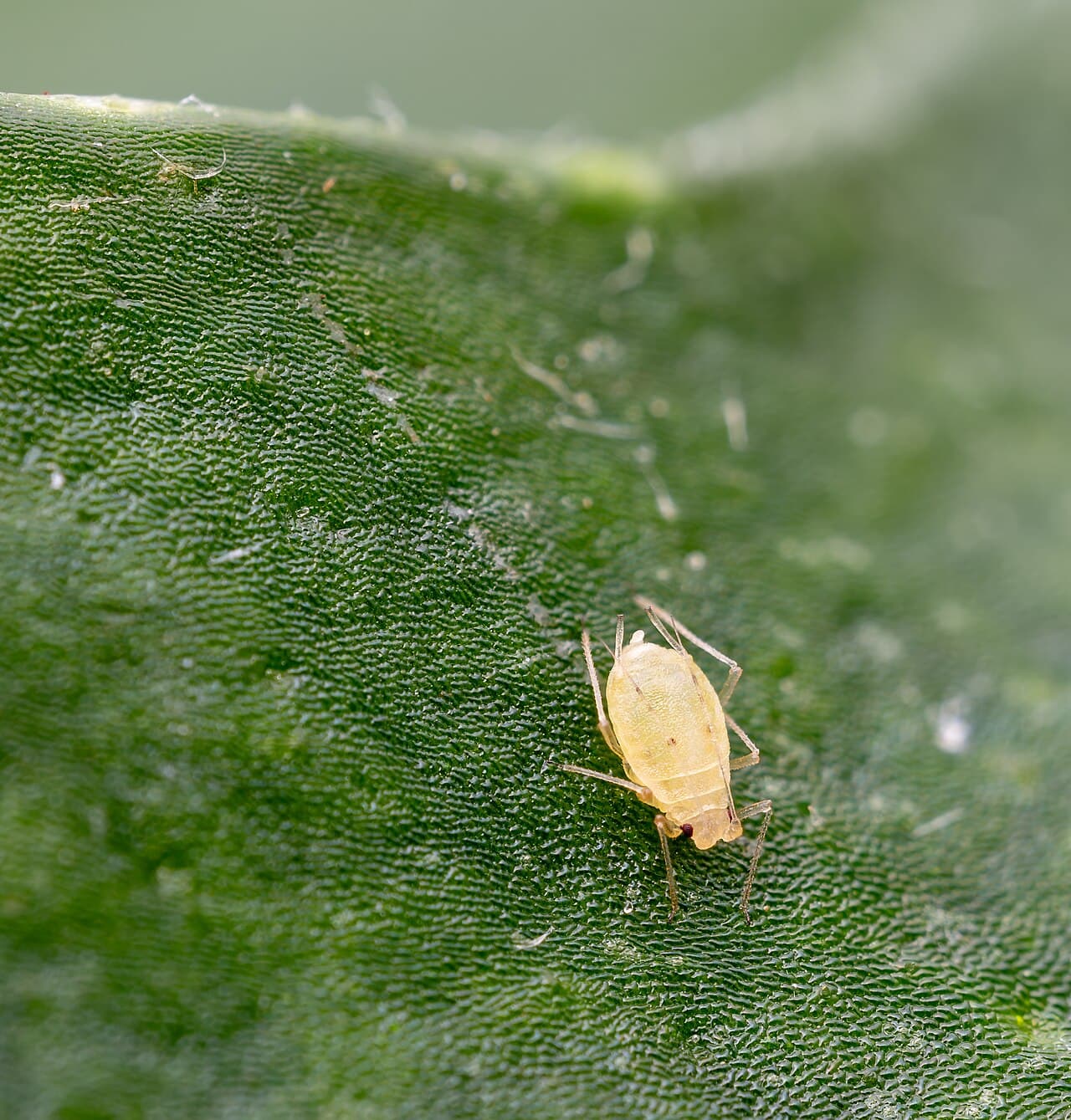

Check these first
- Look closely at the leaf axils for white fluff.
- Check the undersides of the leaves for sticky residue.
- Isolate the plant from other succulents to prevent spreading.
Likely causes
Mealybug Infestation
Most likelyHow to tell: You see white, fuzzy spots in the leaf axils or on the undersides of leaves.
What to do: Dip a cotton swab in rubbing alcohol and touch it directly to the bugs to kill them. Repeat this every few days until you see no more pests.
Poor Air Circulation
PossibleHow to tell: The plant is in a very stagnant corner with no airflow.
What to do: Move your plant to a spot with better light and gentle air movement. This helps keep the plant dry and less attractive to pests.
Find out what's wrong with your lace aloe
The list above covers the usual causes. Pocket Botanist looks at a photo of your actual plant and tells you the likely cause, how serious it is, and what to try first. Identification and a health check are free.



Scan with your phone's camera to get the app
Or go to pocketbotanist.app/get on your phone
When to worry
If the infestation covers the entire plant and the leaves start to yellow or shrivel, it is a serious problem.
Stopping it coming back
Keep your plant healthy with proper light and avoid overwatering, as stressed plants are more susceptible to pests.
Lace Aloe: pests? Check yours with a photo
Every plant is a little different. Take a photo of your lace aloe and Pocket Botanist tells you which cause is most likely, how serious it is, and what to try first. A few checks a day are free. Save the plant and you get care reminders timed for it.
Scan with your phone's camera to get the app
Or go to pocketbotanist.app/get on your phone
Get the app · Or check it from a photo now, free
Questions people ask
- Are these spots harmful?
- Yes, mealybugs suck the sap from your plant, which weakens it over time. Treat them as soon as you spot them.
- Do I need to use pesticides?
- Usually, rubbing alcohol is enough for a small infestation. Avoid harsh chemicals unless the problem is widespread.
Guides to these causes
More problems with Lace Aloe
This article was generated with AI on from the plant’s care profile and is general information, not horticultural advice. Read about how we build these guides.