 Pocket Botanist

Check these first
- Feel the soil one inch below the surface.
- Check the drainage holes for blockages.
- Inspect the undersides of leaves for tiny pests.
Likely causes
Overwatering
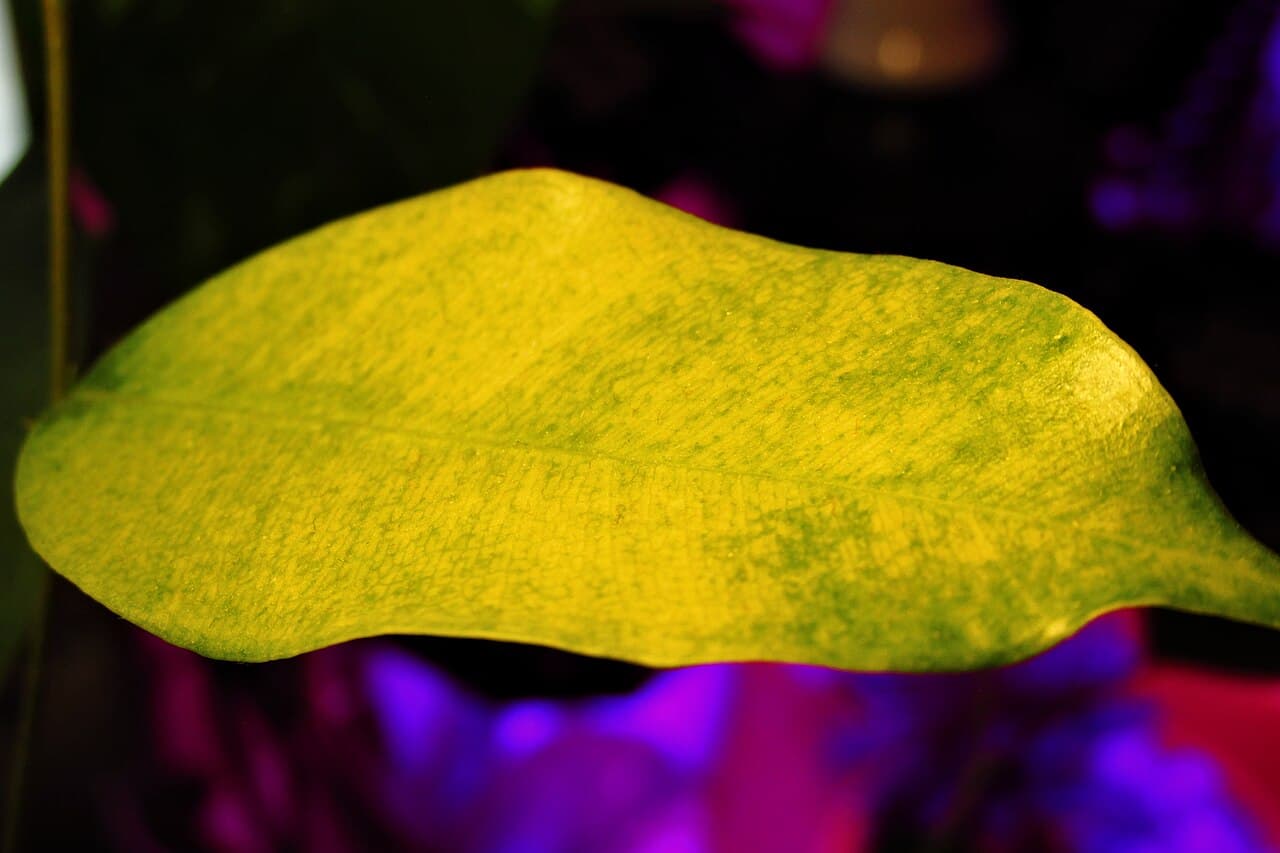
Most likelyHow to tell: The leaves turn yellow and feel soft or mushy. The soil stays damp for more than 4 days.
What to do: Let the top inch of soil dry out completely before watering again. Ensure your pot has drainage holes so excess water can escape.
Nutrient Deficiency
PossibleHow to tell: This is less common for this plant, but usually happens when the soil is depleted of nitrogen. The older leaves turn pale yellow while the veins remain green.
What to do: Apply a balanced liquid fertilizer diluted to half strength every 2 to 3 weeks during the growing season. Follow the instructions on the label to avoid burning the roots.
Find out what's wrong with your slender amaranth
The list above covers the usual causes. Pocket Botanist looks at a photo of your actual plant and tells you the likely cause, how serious it is, and what to try first. Identification and a health check are free.



Scan with your phone's camera to get the app
Or go to pocketbotanist.app/get on your phone
When to worry
It is normal for the very bottom, oldest leaves to yellow and drop as the plant matures. Worry if the yellowing is spreading rapidly to the younger leaves at the top.
Stopping it coming back
Stick to a consistent watering schedule and use well draining potting mix to keep the roots healthy.
Slender amaranth: yellow leaves? Check yours with a photo
Every plant is a little different. Take a photo of your slender amaranth and Pocket Botanist tells you which cause is most likely, how serious it is, and what to try first. A few checks a day are free. Save the plant and you get care reminders timed for it.
Scan with your phone's camera to get the app
Or go to pocketbotanist.app/get on your phone
Get the app · Or check it from a photo now, free
Questions people ask
- Should I remove the yellow leaves?
- Yes, you can snip them off with clean scissors. This keeps the plant looking tidy and allows it to focus energy on healthy growth.
- Does yellowing mean I have aphids?
- Aphids usually cause distorted or curled leaves rather than just yellowing. Check the new growth closely for small, clustered insects.
More problems with slender amaranth
- Why are there bugs on my slender amaranth?
- Why are there spots on my slender amaranth leaves?
- Why is my slender amaranth drooping?
- Why is my slender amaranth growing so tall and leggy?
- Why do my slender amaranth leaves have brown tips?
- Why is my slender amaranth losing its leaves?
- Why is my slender amaranth showing signs of root rot?
- Why are my slender amaranth's leaves curling?
Back to the slender amaranth guide
This article was generated with AI on from the plant’s care profile and is general information, not horticultural advice. Read about how we build these guides.