 Pocket Botanist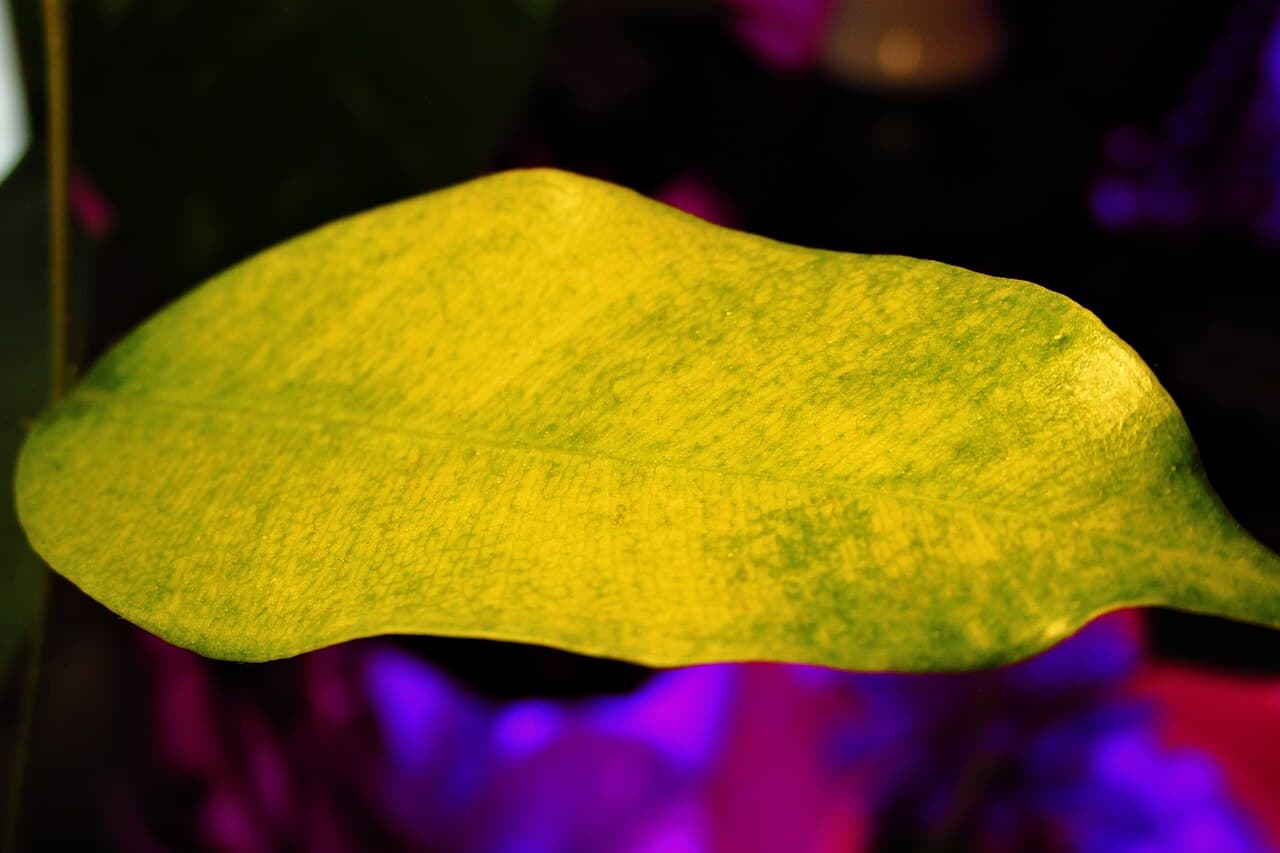
.jpg)
Check these first
- Check if the soil is too dry or too wet.
- Look at the leaf veins to see if they are still green.
- Check if the yellowing is on older or newer leaves.
Likely causes
Nutrient deficiency
Most likelyHow to tell: The leaves turn yellow while the veins remain green. This often happens in alkaline soils where the plant cannot absorb iron.
What to do: Apply a balanced fertilizer formulated for fruit vines in early spring. If the soil pH is too high, add sulfur to lower it and make nutrients available.
Improper watering
Most likelyHow to tell: The leaves turn yellow and may feel limp or drop off. This happens if the roots are either too dry or sitting in water.
What to do: Stick to a consistent watering schedule of every 3 to 7 days. Ensure the soil is moist but never swampy.
When to worry
Occasional yellowing of the oldest leaves at the bottom of the vine is normal as the plant ages. Worry if the yellowing spreads rapidly to the new growth.
Stopping it coming back
Maintain a consistent watering schedule and feed your vine once in the spring. Test your soil pH to ensure it stays slightly acidic.
Not sure which one it is? Photograph your kiwi fruit.
This page lists the usual causes. Pocket Botanist looks at your actual leaf and tells you the likely cause, how serious it is, and what to try first. Identification and a health check are free.


Questions people ask
- Does my kiwi need fertilizer?
- Yes, kiwi vines are heavy feeders. A balanced fertilizer applied in early spring helps keep the foliage green and supports fruit growth.
- Is yellowing always a sign of disease?
- Not usually. It is most often a sign that the plant is not getting the right amount of water or nutrients.
More problems with Kiwi fruit
This article was generated with AI from the plant’s care profile and is general information, not horticultural advice. Read about how we build these guides.