 Pocket Botanist
Plant guide
Pencil flower.
Acalypha sp.
Pronounced ak-uh-LY-fuh
Also known as Acalypha sp., Brooms and Brushes, Copperleaf, copperleafs, three-seeded mercuries, three-seeded mercury


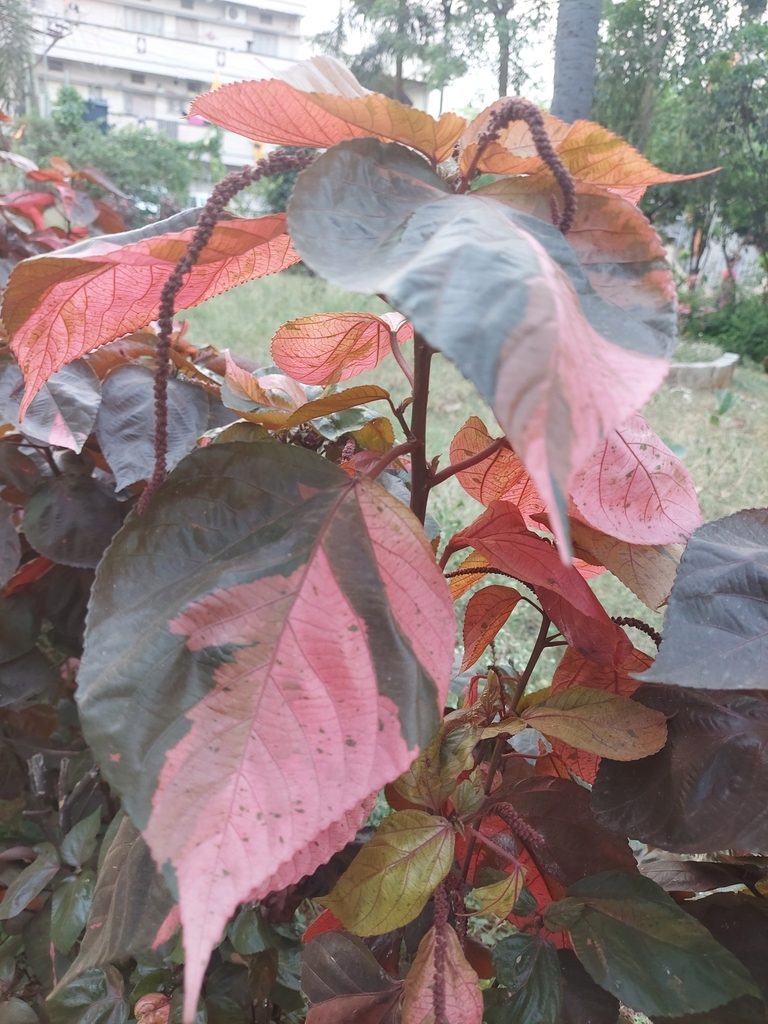
Acalypha is a diverse genus known for its striking foliage and unique, catkin like flowers. These tropical plants thrive in warm, humid environments. They make excellent showpieces for indoor spaces or seasonal outdoor displays.
At a glance
- Care level
- Moderate
- Plant type
- Shrub
- Light
- Bright indirect light is best for maintaining leaf color.
- Indoor light
- bright-indirect
- Water
- Every 3 to 7 days
- Mature size
- 1 to 3 meters
- Growth rate
- fast
- Hardiness
- USDA 10 to 12
- Bloom time
- Spring to autumn
Care
Keep the soil consistently moist but never waterlogged to prevent root issues. Watch for drooping leaves, which often signal a need for more humidity or water. Ensure the plant stays away from cold drafts to keep it happy.
- Watering
- Water when the top inch of soil feels slightly dry to the touch.
- Feeding
- Use a balanced liquid fertilizer during the active growing season.
- Pruning
- Trim back long stems to encourage a bushier, fuller shape.
- Repotting
- Repot in spring when the roots have filled the current container.
- Soil
- Well draining, peat based potting mix.
- Soil pH
- 6.0 to 7.0
- Temperature
- 15 to 28°C
- Humidity
- 50 to 80%
- Drought tolerance
- low
- Lifespan
- Perennial in warm climates, often grown as an annual elsewhere.
- Deer and rabbits
- moderate
Signs it needs repotting
- Roots growing out of the drainage holes.
- Water running straight through the pot without soaking in.
- Noticeable slowing of growth during the active season.
Safety
- People
- The sap can be irritating to the skin and eyes, and ingestion may cause mild toxicity.
- Pets
- This plant is considered mildly toxic to cats and dogs if ingested.
- Children
- Keep this plant out of reach of children as the sap is irritating and the leaves are not safe to eat.
- Contact allergens
- The milky sap may cause contact dermatitis in sensitive individuals.
- Airborne allergens
- There is no significant evidence of respiratory allergies associated with this plant.
- Edibility
- This plant is not intended for consumption and may cause digestive upset if ingested.
How to identify it
- Oval shaped leaves with serrated edges
- Vibrant foliage in red, bronze, or green
- Long, drooping, catkin like flower spikes
- Soft, textured leaf surfaces
- Height
- 0.6 to 3m
- Spread
- 0.45 to 1.5m
- Leaves
- red, bronze, green, copper, evergreen
- Flowers
- red, pink, cream, 5 to 20cm
Common problems
- Spider mites — These tiny pests thrive in dry conditions and cause stippling on the leaves.
- Whiteflies — They congregate on the undersides of leaves and suck plant juices.
Growing it
- Propagation
- cuttings, seed
- When to plant
- spring
- Overwintering
- Bring containers indoors before the first frost to a bright, warm spot. Reduce watering slightly during the winter months but do not let the soil dry out completely.
- In containers
- It grows beautifully in containers, provided the pot has excellent drainage and is at least 10 to 12 inches wide.
Stem Cuttings
- Take a 4 to 6 inch cutting from a healthy stem.
- Remove the lower leaves to expose the nodes.
- Dip the cut end in rooting hormone.
- Place in a moist, well draining potting mix.
- Cover with a plastic bag to maintain humidity until roots form.
Pair copperleaf with plants that enjoy consistent moisture to ensure everyone stays happy in the same bed.
Grows well with
Similar species
- Chenille Plant — It is a close relative known for its unique, fuzzy red catkin flowers.
Science
- Family
- Euphorbiaceae
- Genus
- Acalypha
- Order
- Malpighiales
- Class
- Magnoliopsida
- Native range
- Tropical and subtropical regions across the globe.
- Conservation
- Most species are not currently listed as threatened, but wild populations should be respected.
It thrives in warm, humid understory environments where it competes for light in the dappled shade.
- Value to wildlife
- nectar source
- Pollinators
- bees, butterflies
- Uses
- ornamental foliage, container gardening, tropical landscaping
Through the year
Ecological indicators
- Salinity
- 2/9
- Soil reaction
- 6/9
- Light
- 6/9
- Temperature
- 8/9
- Moisture
- 7/9
- Nutrients
- 6/9
Taxonomy resolved against GBIF.
Questions people ask
- Does it need full sun?
- Bright, indirect light is best to keep the leaf colors vibrant without scorching.
- How often should I water?
- Keep the soil consistently moist but never waterlogged.
Where the name comes from
The name Acalypha comes from the Greek word for nettle, which was used by Hippocrates to describe a plant with similar leaves. The common name copperleaf highlights the brilliant metallic hues of the foliage.
Good to know
- Acalypha belongs to the diverse Euphorbiaceae family.
- The flowers are often inconspicuous compared to the vibrant leaves.
- These plants love high humidity and warmth.
- They are often grown as annuals in cooler climates.
Is your pencil flower looking unwell?
This page is a general guide. Pocket Botanist diagnoses problems from a photo of your actual plant, works out watering for your light and conditions, and reminds you when care is due.
This guide was generated with AI and checked against GBIF taxonomy. It is general information, not horticultural or veterinary advice. Read about how we build these guides.