 Pocket Botanist
Plant guide
Flowering Maple.
Abutilon × hybridum
Pronounced uh-BYOO-tih-lon HY-brid-um
Also known as Abutilon × hybridum, Chinese-lantern



Scan with your phone's camera to get the app
Or go to pocketbotanist.app/get on your phone
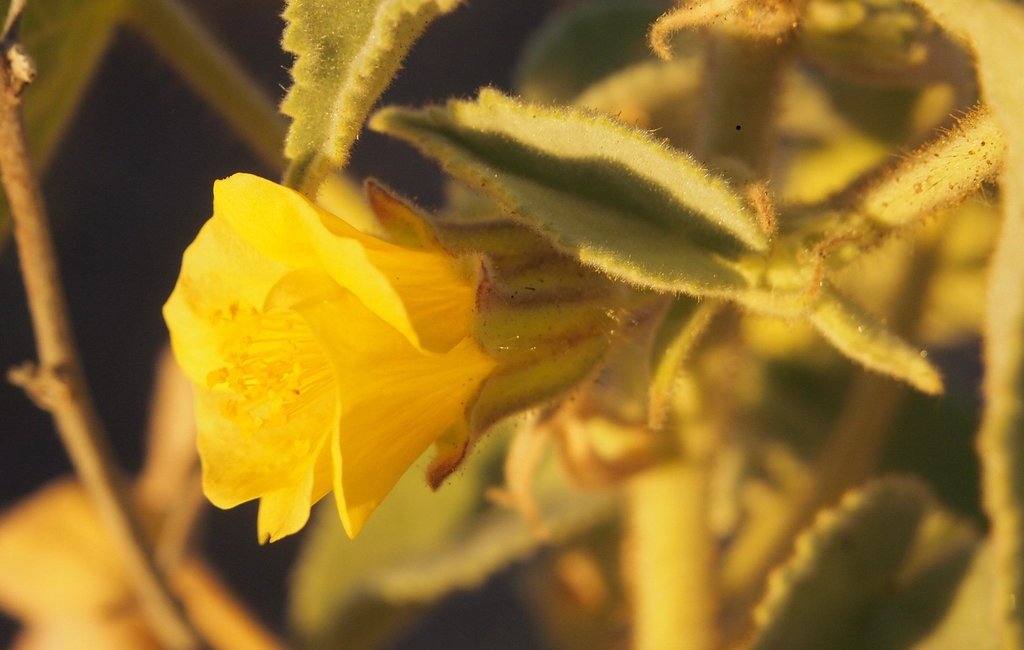
This charming plant is a favorite for its bell shaped flowers that resemble miniature hibiscus blooms. It is a fast grower that adds a tropical feel to any bright room. You will love how it keeps blooming throughout the warmer months.
At a glance
- Care level
- Moderate
- Plant type
- Shrub
- Light
- Bright indirect light with some morning sun.
- Indoor light
- Bright indirect
- Water
- Every 3 to 7 days
- Mature size
- 3 to 6 feet tall
- Growth rate
- Fast
- Hardiness
- USDA 9 to 11
- Bloom time
- Spring to late autumn
Care
Keep the soil consistently moist but never soggy to prevent root issues. Watch for yellowing leaves which often signal overwatering or a need for more light. Prune back the stems regularly to encourage a fuller and bushier shape.
- Watering
- Water when the top inch of soil feels dry to the touch.
- Feeding
- Feed with a balanced liquid fertilizer during the active growing season.
- Pruning
- Trim back long stems in early spring to maintain a compact form.
- Repotting
- Move to a slightly larger pot once the roots begin to circle the bottom.
- Soil
- Well draining peat based potting mix.
- Soil pH
- 6.0 to 7.0
- Temperature
- 5 to 30°C
- Humidity
- 40 to 60%
- Drought tolerance
- Low
- Lifespan
- Perennial, typically 3 to 5 years with proper care.
- Deer and rabbits
- Moderate
Signs it needs repotting
- Roots growing out of the drainage holes.
- Water running straight through the pot.
- Stunted growth during the active season.
Safety
- People
- The plant is generally considered non toxic to humans.
- Pets
- This plant is generally considered non toxic to cats and dogs.
- Children
- The plant is safe for children, though the stems can be brittle and break easily.
- Contact allergens
- Some individuals may experience mild skin irritation from the fuzzy foliage.
- Airborne allergens
- The pollen is not considered a significant allergen.
- Edibility
- This plant is not intended for consumption.
How to identify it
- Maple shaped lobed leaves
- Pendant bell shaped flowers
- Prominent central stamen column
- Soft velvety leaf texture
- Height
- 0.9 to 2.4m
- Spread
- 0.6 to 1.5m
- Leaves
- green, evergreen
- Flowers
- red, orange, yellow, pink, white, 5 to 8cm
Problems to watch for
- Whitefly · These tiny insects cluster on the undersides of leaves and cause yellowing.
- Aphids · Small sap sucking insects that can cause leaf curling and stunted growth.
Check your flowering maple from a photo
Pocket Botanist looks at a photo of your plant and tells you what's wrong and what to try first.
Scan with your phone's camera to get the app
Or go to pocketbotanist.app/get on your phone
Growing it
- Propagation
- cuttings, seed
- When to plant
- spring, early autumn
- Overwintering
- Bring containers indoors before the first frost. Keep them in a bright, cool room and reduce watering until spring.
- In containers
- They grow beautifully in containers, provided you use a pot at least 30 centimeters wide with good drainage.
Stem Cuttings
- Take a 10 centimeter cutting from a non flowering stem.
- Remove the lower leaves.
- Place in moist potting mix and keep in bright, indirect light.
Group these with other shade loving tropicals to create a humid microclimate.
Grows well with
Similar species
- Flowering Maple · It has a similar trailing habit and bell shaped flowers.
Science
- Family
- Malvaceae
- Genus
- Abutilon
- Order
- Malvales
- Class
- Magnoliopsida
- Native range
- Tropical and subtropical regions of South America.
- Conservation
- This is a garden hybrid and is not of conservation concern.
In the wild, these plants thrive in the dappled light of forest edges where they can climb or sprawl.
- Value to wildlife
- nectar source
- Pollinators
- bees, butterflies, hummingbirds
- Uses
- container plant, patio accent, greenhouse specimen
Through the year
Ecological indicators
- Salinity
- 2/9
- Soil reaction
- 6/9
- Light
- 6/9
- Temperature
- 7/9
- Moisture
- 5/9
- Nutrients
- 5/9
Taxonomy resolved against GBIF.
Questions people ask
- Why are the leaves dropping?
- This often happens due to sudden temperature changes or inconsistent watering.
- Should I prune it?
- Yes, regular pruning keeps the plant bushy and encourages more blooms.
Where the name comes from
The name Abutilon comes from an Arabic word for a mallow like plant, while hybridum refers to its status as a garden hybrid.
Good to know
- The flowers look like miniature lanterns.
- They grow very quickly in warm weather.
- They are members of the mallow family, related to hibiscus.
Keep your flowering maple growing
This page is a general guide. Save your plant in Pocket Botanist and you get care reminders timed for this plant, plus a care history that shows what worked.
Scan with your phone's camera to get the app
Or go to pocketbotanist.app/get on your phone
This guide was generated with AI on and checked against GBIF taxonomy. It is general information, not horticultural or veterinary advice. Read about how we build these guides.