 Pocket Botanist
Guide botanique
Teak.
Tectona grandis
Prononciation tek-TOH-nuh GRAN-diss
Aussi appelée Bankok teak, Indian Oak, Indian-oak, Segun, Teak, common teak


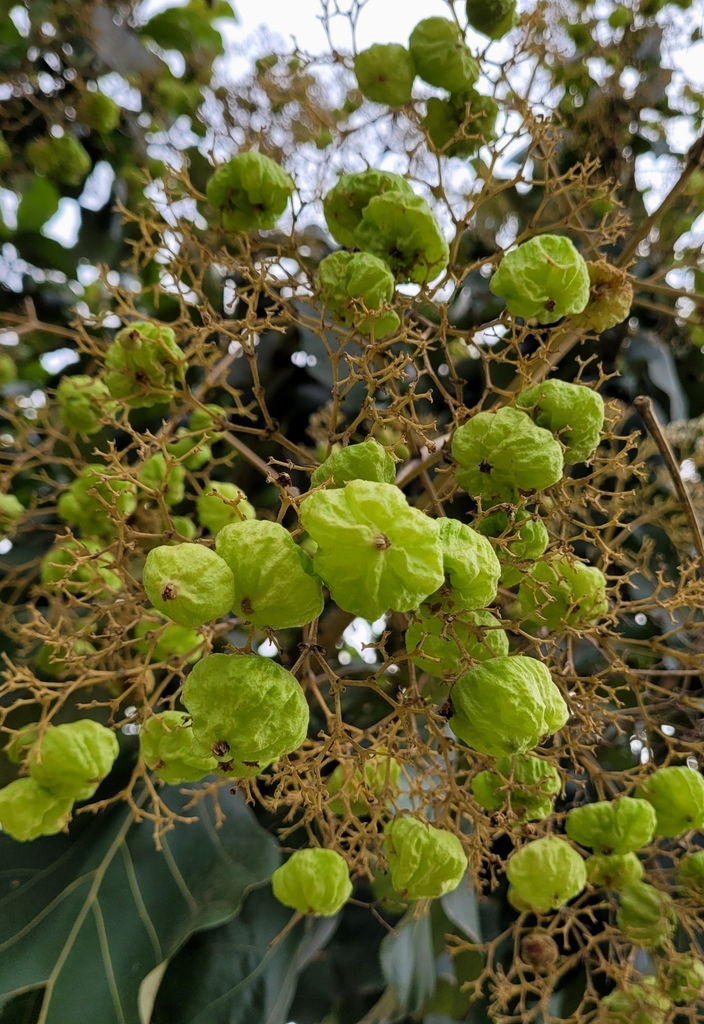
Teak is a majestic tropical hardwood tree known for its incredibly durable and weather resistant timber. It grows quite large and is typically found in warm, humid climates. While it is a staple in forestry, it is rarely kept as a houseplant due to its massive size.
En un coup d'œil
- Niveau d'entretien
- Difficile
- Type de plante
- Deciduous tree
- Lumière
- Full sun
- Lumière en intérieur
- Soleil direct
- Arrosage
- Tous les 3 à 7 jours
- Taille adulte
- 100 to 130 feet
- Croissance
- Rapide
- Rusticité
- USDA 10 à 12
- Floraison
- Late summer to early autumn
Entretien
This tree needs plenty of space and intense, direct sunlight to thrive. Keep an eye out for yellowing leaves which often indicate poor drainage or insufficient light. It requires a warm, humid environment to mimic its native tropical habitat.
- Arrosage
- Keep the soil consistently moist but never waterlogged.
- Engrais
- Apply a balanced fertilizer during the active growing season.
- Taille
- Prune during the dormant season to maintain shape and remove dead wood.
- Rempotage
- Repot only while the tree is young and small enough to manage.
- Sol
- Well draining, deep, fertile soil
- pH du sol
- 6.5 to 7.5
- Température
- 15 à 40°C
- Humidité
- 60 à 90%
Sécurité
- Humains
- The leaves and bark contain compounds that can cause mild skin irritation in sensitive individuals.
- Enfants
- The large, coarse leaves can be abrasive to young children's skin.
- Allergènes de contact
- Contact with the sawdust or fresh leaves may cause dermatitis in some people.
- Allergènes aéroportés
- Fine wood dust generated during processing can act as a respiratory irritant.
- Comestibilité
- The plant is not considered edible for humans.
Comment l'identifier
- Large, ovate, opposite leaves
- Rough, papery leaf texture
- Small, fragrant white flowers
- Hard, woody fruit capsules
- Greyish brown, fissured bark
- Hauteur
- 20 à 40m
- Envergure
- 10 à 20m
- Feuilles
- green, deciduous
- Fleurs
- white, 0,5 à 1cm
- Fruits
- brown, Winter
Problèmes courants
- Teak defoliator — Caterpillars that feed on the foliage and can cause significant leaf loss.
- Leaf rust — Fungal infection causing yellow or brown spots on the leaves.
La cultiver
- Multiplication
- seed, cuttings
- Quand planter
- Spring, Early rainy season
Teak is best grown in large scale forestry settings rather than small garden guilds.
Bonnes associations
- Caféier — Coffee often grows well in the light shade provided by teak plantations.
Espèces similaires
- Pericopsis elata — It is often used as a substitute for true teak in woodworking.
Science
- Famille
- Lamiaceae
- Genre
- Tectona
- Ordre
- Lamiales
- Classe
- Magnoliopsida
- Région d'origine
- South and Southeast Asia
- Préservation
- While widely cultivated, wild populations are increasingly threatened by habitat loss.
It thrives in monsoon forests where it drops its leaves during the dry season to conserve water.
- Intérêt pour la faune
- nectar source, habitat for forest birds
- Pollinisateurs
- abeilles, papillons
- Utilisations
- timber production, ornamental shade tree, traditional medicine
Au fil des saisons
Repères écologiques
- Salinité
- 2/9
- Réaction du sol
- 7/9
- Lumière
- 8/9
- Température
- 9/9
- Humidité
- 6/9
- Nutriments
- 6/9
Taxonomie vérifiée avec le GBIF.
Ce qu'on demande souvent
- Can I grow teak in a pot?
- It is not practical due to the tree's massive size and deep root system.
- How fast does teak grow?
- It is a relatively fast growing tree in optimal tropical conditions.
D'où vient le nom
The name Tectona comes from the Portuguese word teca, which is derived from the Malayalam word tekka.
Bon à savoir
- Teak is one of the most valuable timbers on the planet.
- The leaves are often used as plates or food wrappers in parts of Southeast Asia.
- Teak trees can live for over 100 years in their native environment.
- The wood contains natural oils that make it highly resistant to termites.
Ta plante a mauvaise mine ?
Cette page est un guide général. Pocket Botanist diagnostique les problèmes directement à partir d'une photo de ta plante, adapte l'arrosage à sa luminosité et te prévient quand il faut t'en occuper.
Ce guide a été généré par IA et vérifié avec la taxonomie du GBIF. Il s'agit d'informations générales, et non de conseils horticoles ou vétérinaires. Découvre comment nous concevons ces guides.