 Pocket Botanist
Guía de plantas
Teak.
Tectona grandis
Pronunciación tek-TOH-nuh GRAN-diss
También se conoce como Bankok teak, Indian Oak, Indian-oak, Segun, Teak, common teak


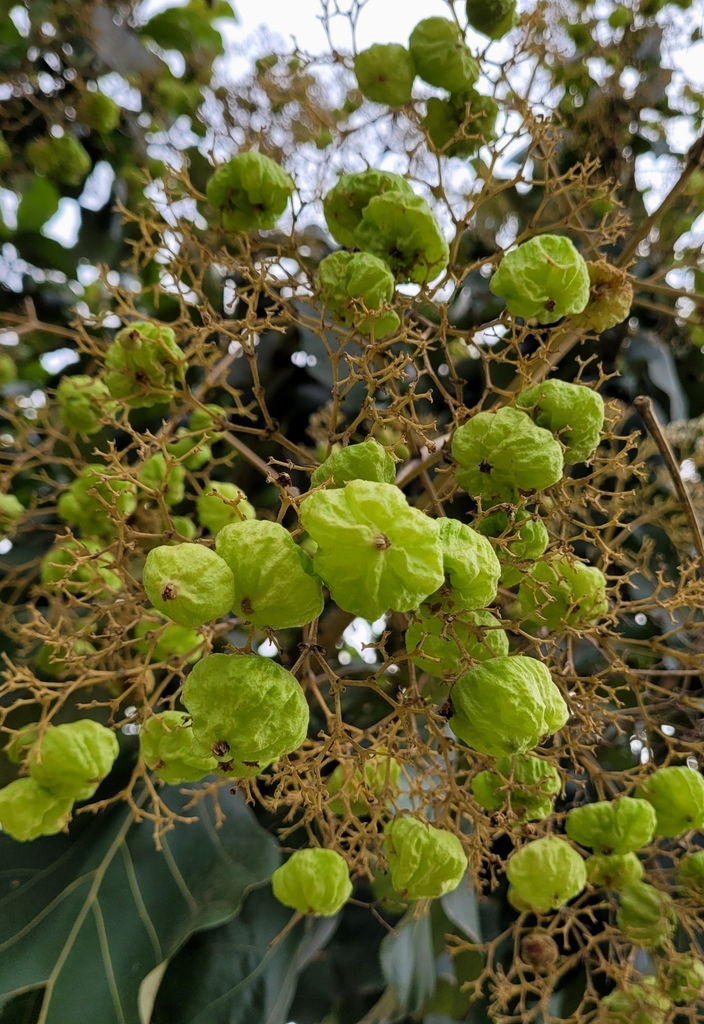
Teak is a majestic tropical hardwood tree known for its incredibly durable and weather resistant timber. It grows quite large and is typically found in warm, humid climates. While it is a staple in forestry, it is rarely kept as a houseplant due to its massive size.
De un vistazo
- Nivel de cuidados
- Difícil
- Tipo de planta
- Deciduous tree
- Luz
- Full sun
- Luz en interior
- Sol directo
- Riego
- Cada 3 a 7 días
- Tamaño adulto
- 100 to 130 feet
- Ritmo de crecimiento
- Rápido
- Rusticidad
- USDA 10 a 12
- Floración
- Late summer to early autumn
Cuidados
This tree needs plenty of space and intense, direct sunlight to thrive. Keep an eye out for yellowing leaves which often indicate poor drainage or insufficient light. It requires a warm, humid environment to mimic its native tropical habitat.
- Riego
- Keep the soil consistently moist but never waterlogged.
- Abonado
- Apply a balanced fertilizer during the active growing season.
- Poda
- Prune during the dormant season to maintain shape and remove dead wood.
- Trasplante
- Repot only while the tree is young and small enough to manage.
- Suelo
- Well draining, deep, fertile soil
- pH del suelo
- 6.5 to 7.5
- Temperatura
- 15 a 40°C
- Humedad
- 60 a 90%
Seguridad
- Personas
- The leaves and bark contain compounds that can cause mild skin irritation in sensitive individuals.
- Niños
- The large, coarse leaves can be abrasive to young children's skin.
- Alérgenos por contacto
- Contact with the sawdust or fresh leaves may cause dermatitis in some people.
- Alérgenos en el aire
- Fine wood dust generated during processing can act as a respiratory irritant.
- Comestibilidad
- The plant is not considered edible for humans.
Cómo identificarla
- Large, ovate, opposite leaves
- Rough, papery leaf texture
- Small, fragrant white flowers
- Hard, woody fruit capsules
- Greyish brown, fissured bark
- Altura
- 20 a 40m
- Anchura
- 10 a 20m
- Hojas
- green, deciduous
- Flores
- white, 0,5 a 1cm
- Frutos
- brown, Winter
Problemas frecuentes
- Teak defoliator — Caterpillars that feed on the foliage and can cause significant leaf loss.
- Leaf rust — Fungal infection causing yellow or brown spots on the leaves.
Cómo cultivarla
- Propagación
- seed, cuttings
- Cuándo plantar
- Spring, Early rainy season
Teak is best grown in large scale forestry settings rather than small garden guilds.
Buenas compañeras
- Cafeto — Coffee often grows well in the light shade provided by teak plantations.
Especies parecidas
- Pericopsis elata — It is often used as a substitute for true teak in woodworking.
Ciencia
- Familia
- Lamiaceae
- Género
- Tectona
- Orden
- Lamiales
- Clase
- Magnoliopsida
- Distribución natural
- South and Southeast Asia
- Conservación
- While widely cultivated, wild populations are increasingly threatened by habitat loss.
It thrives in monsoon forests where it drops its leaves during the dry season to conserve water.
- Valor para la fauna
- nectar source, habitat for forest birds
- Polinizadores
- abejas, mariposas
- Usos
- timber production, ornamental shade tree, traditional medicine
A lo largo del año
Indicadores ecológicos
- Salinidad
- 2/9
- Reacción del suelo
- 7/9
- Luz
- 8/9
- Temperatura
- 9/9
- Humedad
- 6/9
- Nutrientes
- 6/9
Taxonomía cotejada con GBIF.
Lo que más preguntan
- Can I grow teak in a pot?
- It is not practical due to the tree's massive size and deep root system.
- How fast does teak grow?
- It is a relatively fast growing tree in optimal tropical conditions.
De dónde viene el nombre
The name Tectona comes from the Portuguese word teca, which is derived from the Malayalam word tekka.
Bueno saberlo
- Teak is one of the most valuable timbers on the planet.
- The leaves are often used as plates or food wrappers in parts of Southeast Asia.
- Teak trees can live for over 100 years in their native environment.
- The wood contains natural oils that make it highly resistant to termites.
¿Tu teak tiene mal aspecto?
Esta página es una guía general. Pocket Botanist diagnostica problemas a partir de una foto de tu propia planta, calcula el riego según tu luz y tus condiciones, y te avisa cuando toca cuidarla.
Esta guía se ha generado con IA y se ha cotejado con la taxonomía de GBIF. Es información general, no asesoramiento botánico ni veterinario. Descubre cómo elaboramos estas guías.