 Pocket Botanist
Guide botanique
Miracle berry.
Synsepalum dulcificum
Prononciation sin-SEP-uh-lum dul-SIF-ih-kum
Aussi appelée Miraculous Berry, miracle-fruit, miraculous-berry


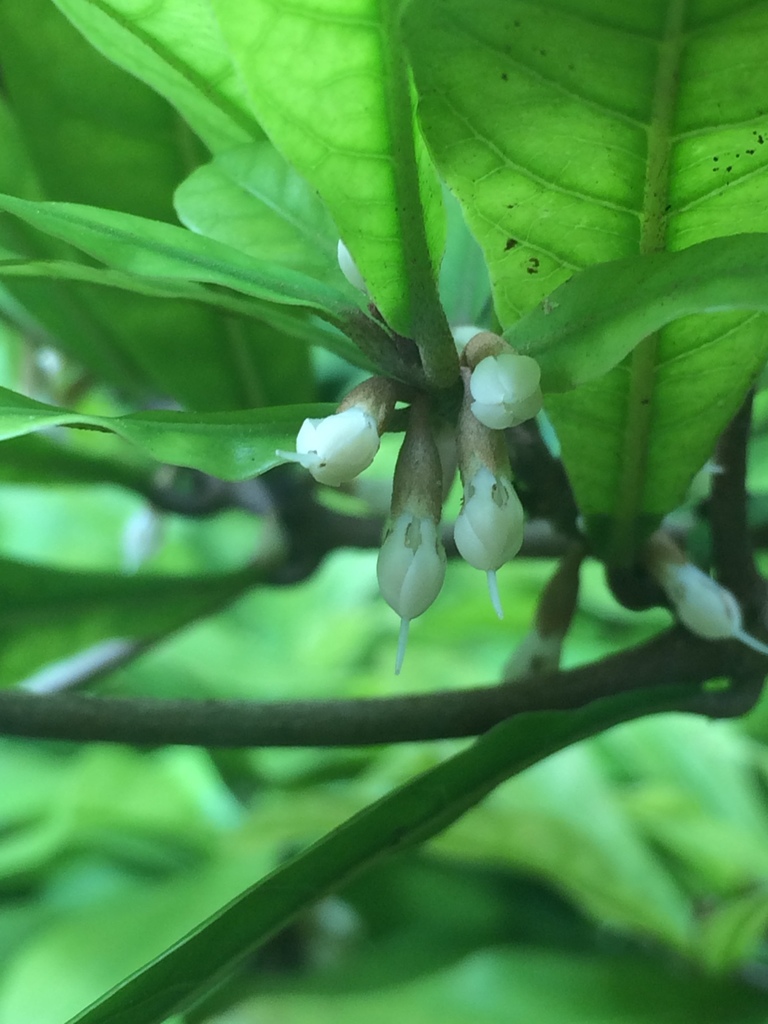
The miracle berry is a fascinating tropical shrub known for its unique fruit that temporarily alters your taste buds. It makes sour foods taste sweet after you eat the pulp. It is a slow grower that loves warmth and humidity.

En un coup d'œil
- Niveau d'entretien
- Moyenne
- Type de plante
- Tropical shrub
- Lumière
- Bright indirect light
- Lumière en intérieur
- Lumière vive indirecte
- Arrosage
- Tous les 3 à 7 jours
- Taille adulte
- 5 to 15 feet
- Croissance
- Lente
- Rusticité
- USDA 10 à 12
- Floraison
- Sporadic throughout the year
Entretien
Keep this plant in a warm spot with high humidity to mimic its native tropical home. Watch for yellowing leaves, which often signal that the soil is too alkaline or the plant is too cold. Use acidic soil to keep it happy and healthy.
- Arrosage
- Keep the soil consistently moist but never soggy.
- Engrais
- Use an acid loving fertilizer during the growing season.
- Taille
- Prune lightly in early spring to maintain shape.
- Rempotage
- Repot only when the roots have filled the container.
- Sol
- Acidic and well draining
- pH du sol
- 4.5 to 5.8
- Température
- 15 à 35°C
- Humidité
- 60 à 90%
- Résistance à la sécheresse
- Faible
- Durée de vie
- Perennial, can live for many decades.
- Parfum
- Léger
- Résistance aux chevreuils et lapins
- Moyenne
Signes qu'il faut rempoter
- Roots growing out of the drainage holes.
- Water running straight through the pot without soaking in.
- Stunted growth during the active season.
Sécurité
- Humains
- The plant is non toxic to humans.
- Enfants
- The small red berries may be a choking hazard for very young children.
- Comestibilité
- The fruit is safe, but the miracle effect lasts for 30 to 60 minutes and can cause people to eat overly acidic or spicy foods they might otherwise avoid.
Comment l'identifier
- Glossy dark green leaves
- Small red oval fruits
- Dense shrubby growth habit
- White star shaped flowers
- Hauteur
- 1,5 à 5m
- Envergure
- 1 à 3m
- Feuilles
- dark green, evergreen
- Fleurs
- white, 0,5 à 1cm
- Fruits
- red, Year round with peaks
Problèmes courants
- Iron deficiency — Leaves turn yellow between the veins due to high soil pH.
La cultiver
- Multiplication
- seed, cuttings
- Quand planter
- spring, summer
- Hivernage
- Move containers indoors before temperatures drop below 15 degrees Celsius. Keep in a bright, humid spot away from drafts.
- En pot
- It grows well in containers and requires a pot at least 30 centimeters wide to start.
Seed
- Clean the pulp from the fresh seed.
- Plant immediately in moist, acidic potting mix.
- Keep warm and humid until germination occurs.
Group this plant with other acid loving tropicals to simplify soil management.
Bonnes associations
Espèces similaires
- Carambole — Both are tropical fruit trees that enjoy similar climate zones.
Science
- Famille
- Sapotaceae
- Genre
- Synsepalum
- Ordre
- Ericales
- Classe
- Magnoliopsida
- Région d'origine
- West Africa
- Préservation
- It is considered vulnerable in its native West African habitat due to deforestation.
It thrives in the shaded understory of tropical forests where it benefits from high humidity and acidic soil.
- Intérêt pour la faune
- nectar source
- Pollinisateurs
- abeilles, papillons
- Utilisations
- ornamental shrub, culinary novelty
Au fil des saisons
Repères écologiques
- Salinité
- 1/9
- Réaction du sol
- 3/9
- Lumière
- 6/9
- Température
- 9/9
- Humidité
- 7/9
- Nutriments
- 4/9
Taxonomie vérifiée avec le GBIF.
Ce qu'on demande souvent
- How long does the effect last?
- The effect typically lasts for 30 to 60 minutes.
- Can I grow it in a pot?
- Yes, it is well suited for containers if kept in a warm, humid environment.
D'où vient le nom
The genus name Synsepalum refers to the fused sepals, while dulcificum means sweet making.
Bon à savoir
- The miracle berry was once marketed as a diet aid.
- It grows very slowly, often taking years to reach a significant size.
- The fruit must be fresh to have the taste altering effect.
Ta plante a mauvaise mine ?
Cette page est un guide général. Pocket Botanist diagnostique les problèmes directement à partir d'une photo de ta plante, adapte l'arrosage à sa luminosité et te prévient quand il faut t'en occuper.
Ce guide a été généré par IA et vérifié avec la taxonomie du GBIF. Il s'agit d'informations générales, et non de conseils horticoles ou vétérinaires. Découvre comment nous concevons ces guides.