 Pocket Botanist
Guía de plantas
Miracle berry.
Synsepalum dulcificum
Pronunciación sin-SEP-uh-lum dul-SIF-ih-kum
También se conoce como Miraculous Berry, miracle-fruit, miraculous-berry


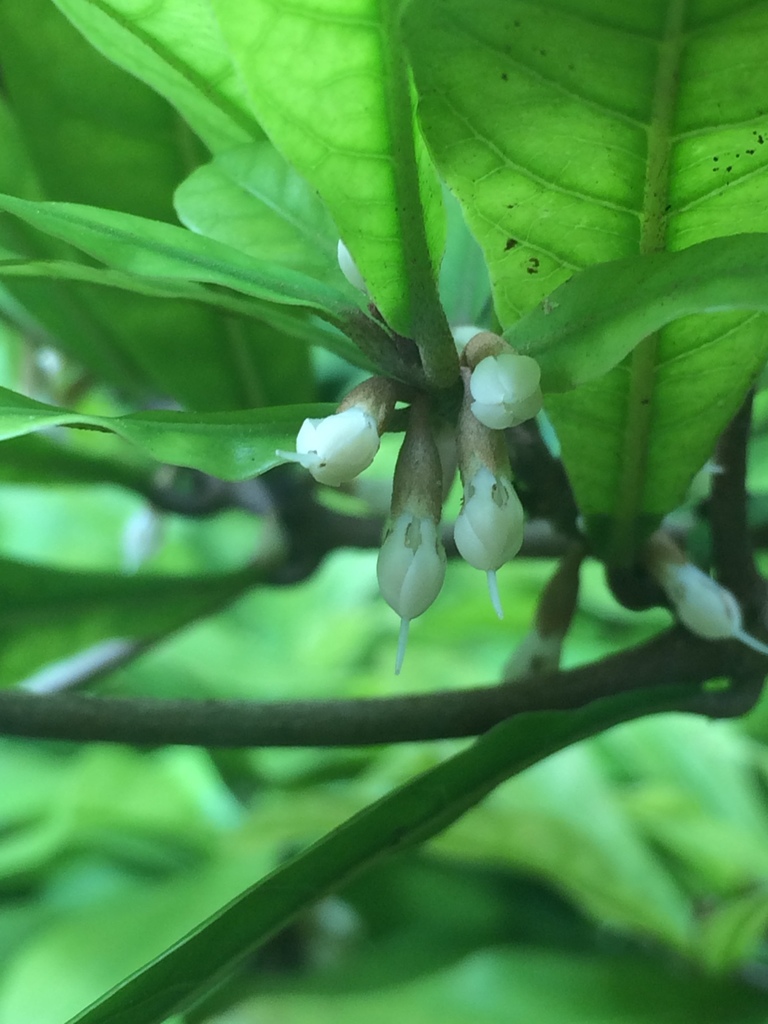
The miracle berry is a fascinating tropical shrub known for its unique fruit that temporarily alters your taste buds. It makes sour foods taste sweet after you eat the pulp. It is a slow grower that loves warmth and humidity.

De un vistazo
- Nivel de cuidados
- Media
- Tipo de planta
- Tropical shrub
- Luz
- Bright indirect light
- Luz en interior
- Luz indirecta brillante
- Riego
- Cada 3 a 7 días
- Tamaño adulto
- 5 to 15 feet
- Ritmo de crecimiento
- Lento
- Rusticidad
- USDA 10 a 12
- Floración
- Sporadic throughout the year
Cuidados
Keep this plant in a warm spot with high humidity to mimic its native tropical home. Watch for yellowing leaves, which often signal that the soil is too alkaline or the plant is too cold. Use acidic soil to keep it happy and healthy.
- Riego
- Keep the soil consistently moist but never soggy.
- Abonado
- Use an acid loving fertilizer during the growing season.
- Poda
- Prune lightly in early spring to maintain shape.
- Trasplante
- Repot only when the roots have filled the container.
- Suelo
- Acidic and well draining
- pH del suelo
- 4.5 to 5.8
- Temperatura
- 15 a 35°C
- Humedad
- 60 a 90%
- Tolerancia a la sequía
- Baja
- Longevidad
- Perennial, can live for many decades.
- Fragancia
- Suave
- Resistencia a ciervos y conejos
- Moderada
Señales de que necesita trasplante
- Roots growing out of the drainage holes.
- Water running straight through the pot without soaking in.
- Stunted growth during the active season.
Seguridad
- Personas
- The plant is non toxic to humans.
- Niños
- The small red berries may be a choking hazard for very young children.
- Comestibilidad
- The fruit is safe, but the miracle effect lasts for 30 to 60 minutes and can cause people to eat overly acidic or spicy foods they might otherwise avoid.
Cómo identificarla
- Glossy dark green leaves
- Small red oval fruits
- Dense shrubby growth habit
- White star shaped flowers
- Altura
- 1,5 a 5m
- Anchura
- 1 a 3m
- Hojas
- dark green, evergreen
- Flores
- white, 0,5 a 1cm
- Frutos
- red, Year round with peaks
Problemas frecuentes
- Iron deficiency — Leaves turn yellow between the veins due to high soil pH.
Cómo cultivarla
- Propagación
- seed, cuttings
- Cuándo plantar
- spring, summer
- Cuidados en invierno
- Move containers indoors before temperatures drop below 15 degrees Celsius. Keep in a bright, humid spot away from drafts.
- En maceta
- It grows well in containers and requires a pot at least 30 centimeters wide to start.
Seed
- Clean the pulp from the fresh seed.
- Plant immediately in moist, acidic potting mix.
- Keep warm and humid until germination occurs.
Group this plant with other acid loving tropicals to simplify soil management.
Buenas compañeras
Especies parecidas
- Carambola — Both are tropical fruit trees that enjoy similar climate zones.
Ciencia
- Familia
- Sapotaceae
- Género
- Synsepalum
- Orden
- Ericales
- Clase
- Magnoliopsida
- Distribución natural
- West Africa
- Conservación
- It is considered vulnerable in its native West African habitat due to deforestation.
It thrives in the shaded understory of tropical forests where it benefits from high humidity and acidic soil.
- Valor para la fauna
- nectar source
- Polinizadores
- abejas, mariposas
- Usos
- ornamental shrub, culinary novelty
A lo largo del año
Indicadores ecológicos
- Salinidad
- 1/9
- Reacción del suelo
- 3/9
- Luz
- 6/9
- Temperatura
- 9/9
- Humedad
- 7/9
- Nutrientes
- 4/9
Taxonomía cotejada con GBIF.
Lo que más preguntan
- How long does the effect last?
- The effect typically lasts for 30 to 60 minutes.
- Can I grow it in a pot?
- Yes, it is well suited for containers if kept in a warm, humid environment.
De dónde viene el nombre
The genus name Synsepalum refers to the fused sepals, while dulcificum means sweet making.
Bueno saberlo
- The miracle berry was once marketed as a diet aid.
- It grows very slowly, often taking years to reach a significant size.
- The fruit must be fresh to have the taste altering effect.
¿Tu miracle berry tiene mal aspecto?
Esta página es una guía general. Pocket Botanist diagnostica problemas a partir de una foto de tu propia planta, calcula el riego según tu luz y tus condiciones, y te avisa cuando toca cuidarla.
Esta guía se ha generado con IA y se ha cotejado con la taxonomía de GBIF. Es información general, no asesoramiento botánico ni veterinario. Descubre cómo elaboramos estas guías.