 Pocket Botanist
Guide botanique
Jabuticaba.
Plinia cauliflora
Prononciation PLIN-ee-uh kaw-lih-FLOR-uh
Aussi appelée Brazilian grapetree, jaboticaba


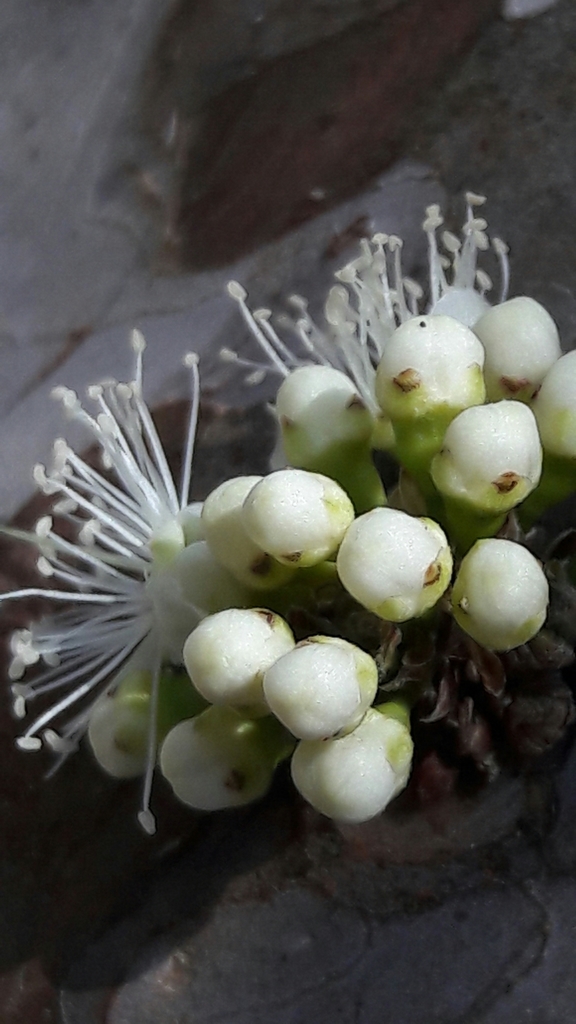
The jabuticaba is a fascinating fruit tree that grows its berries directly on its trunk and branches. It loves warm, humid climates and makes a beautiful specimen plant. You will enjoy its unique appearance and sweet, grape like fruit.
En un coup d'œil
- Niveau d'entretien
- Moyenne
- Type de plante
- Fruit tree
- Lumière
- Full sun to partial shade
- Lumière en intérieur
- Lumière vive indirecte
- Arrosage
- Tous les 2 à 5 jours
- Taille adulte
- 15 to 45 feet
- Croissance
- Lente
- Rusticité
- USDA 9 à 11
- Floraison
- Spring to summer
Entretien
Keep the soil consistently moist but never soggy to mimic its native tropical habitat. Watch for yellowing leaves which often signal overwatering or poor drainage. Ensure it gets plenty of humidity to keep the foliage looking its best.
- Arrosage
- Keep the soil evenly moist at all times.
- Engrais
- Use a balanced fertilizer during the active growing season.
- Taille
- Prune lightly to maintain shape and improve air circulation.
- Rempotage
- Repot when the roots fill the container or the soil breaks down.
- Sol
- Acidic, well draining soil
- pH du sol
- 5.5 to 6.5
- Température
- 5 à 35°C
- Humidité
- 60 à 90%
- Résistance à la sécheresse
- Faible
- Durée de vie
- Perennial, can live for over 100 years.
- Parfum
- Léger
- Résistance aux chevreuils et lapins
- Moyenne
Signes qu'il faut rempoter
- Roots growing out of drainage holes
- Water running straight through the pot
- Stunted growth during the active season
Sécurité
- Humains
- The plant is not toxic to humans.
- Enfants
- The fruit is safe, but children should be supervised around the tree to avoid climbing on thin branches.
- Allergènes de contact
- No notable skin irritation is associated with this plant.
- Allergènes aéroportés
- Pollen may cause mild reactions in sensitive individuals during the flowering season.
- Comestibilité
- The fruit is delicious and safe, but the seeds should not be consumed in large quantities.
Comment l'identifier
- Dark purple fruit on trunk
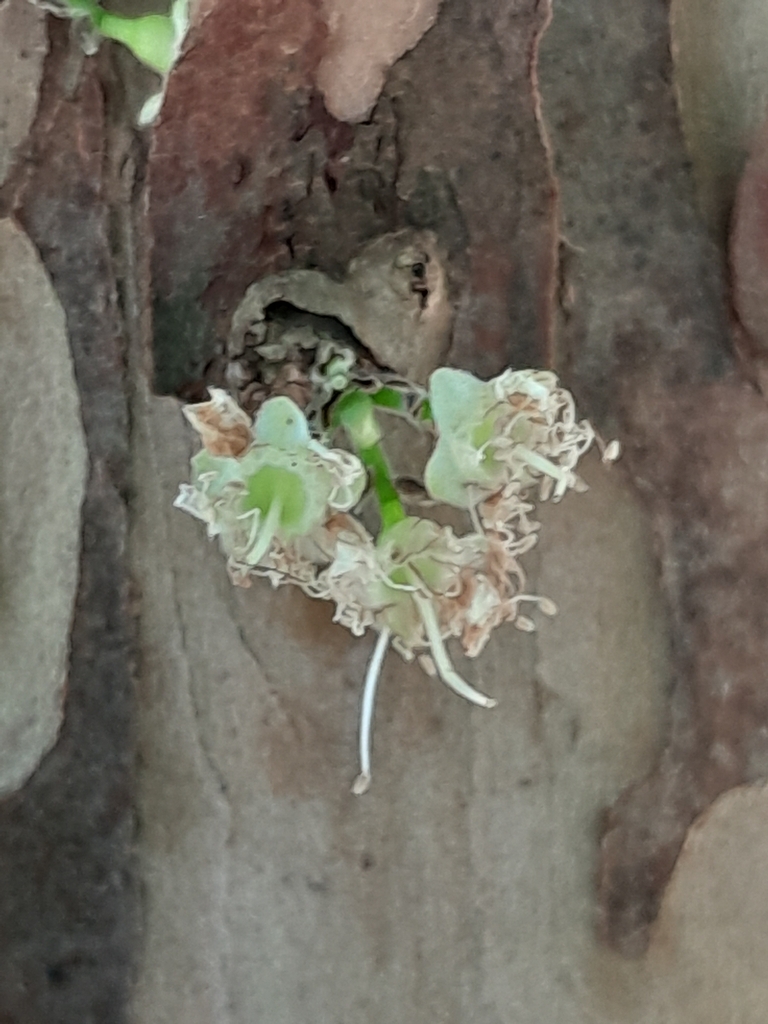
- Small white flowers on bark
- Glossy lance shaped evergreen leaves
- Peeling light brown bark
- Hauteur
- 3 à 12m
- Envergure
- 2 à 6m
- Feuilles
- dark green, bronze, evergreen
- Fleurs
- white, 1 à 2cm
- Fruits
- dark purple, black, Summer to autumn
Problèmes courants
- Rust — Fungal infection causing spots on leaves during humid weather.
- Aphids — Small insects that feed on new growth and flower buds.
La cultiver
- Multiplication
- seed, cuttings, grafting
- Quand planter
- spring, early summer
- Hivernage
- Move containers indoors or into a greenhouse before the first frost. Ensure the plant stays in a bright, humid location during the winter months.
- En pot
- It grows well in large pots, requiring at least a 40 liter container for long term health.
Seed
- 1. Extract fresh seeds from ripe fruit.
- 2. Clean the pulp off the seeds.
- 3. Plant immediately in moist potting mix.
- 4. Keep warm and humid until germination.
Plant in a sheltered spot to protect the evergreen foliage from drying winds.
Bonnes associations
- Caféier — Both enjoy similar light and moisture conditions in the understory.
- Famille des Broméliacées — These epiphytes thrive in the humid environment created by the tree canopy.
Espèces similaires
- Plinia aureana — A smaller relative with similar growth habits and fruit.
Science
- Famille
- Myrtaceae
- Genre
- Plinia
- Ordre
- Myrtales
- Classe
- Magnoliopsida
- Région d'origine
- Southeastern Brazil
- Préservation
- It is not currently listed as endangered in its native range.
It thrives in the understory of tropical forests where it benefits from consistent moisture and dappled light.
- Intérêt pour la faune
- nectar source, fruit source for birds
- Pollinisateurs
- abeilles, papillons
- Utilisations
- culinary fruit, ornamental specimen, jam making, wine production
Au fil des saisons
Repères écologiques
- Salinité
- 1/9
- Réaction du sol
- 5/9
- Lumière
- 6/9
- Température
- 8/9
- Humidité
- 7/9
- Nutriments
- 6/9
Taxonomie vérifiée avec le GBIF.
Ce qu'on demande souvent
- How long until it fruits?
- Seed grown trees can take 8 to 15 years to fruit.
- Can I grow it in a pot?
- Yes, it adapts well to large containers if pruned regularly.
D'où vient le nom
The name Plinia honors the Roman naturalist Pliny the Elder, while cauliflora describes its habit of flowering on the trunk.
Bon à savoir
- The fruit is often compared to a grape in texture and flavor.
- It is a slow growing tree that can take years to bear fruit.
- The name refers to the fruit growing on the stem.
- It is a staple fruit in Brazilian markets.
Ta plante a mauvaise mine ?
Cette page est un guide général. Pocket Botanist diagnostique les problèmes directement à partir d'une photo de ta plante, adapte l'arrosage à sa luminosité et te prévient quand il faut t'en occuper.
Ce guide a été généré par IA et vérifié avec la taxonomie du GBIF. Il s'agit d'informations générales, et non de conseils horticoles ou vétérinaires. Découvre comment nous concevons ces guides.