 Pocket Botanist
Guía de plantas
Jabuticaba.
Plinia cauliflora
Pronunciación PLIN-ee-uh kaw-lih-FLOR-uh
También se conoce como Brazilian grapetree, jaboticaba


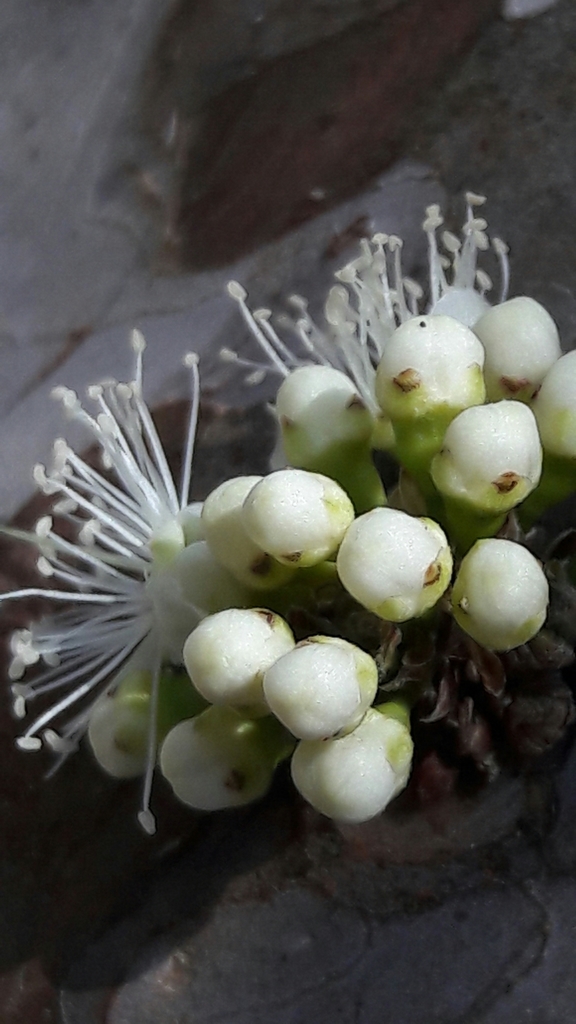
The jabuticaba is a fascinating fruit tree that grows its berries directly on its trunk and branches. It loves warm, humid climates and makes a beautiful specimen plant. You will enjoy its unique appearance and sweet, grape like fruit.
De un vistazo
- Nivel de cuidados
- Media
- Tipo de planta
- Fruit tree
- Luz
- Full sun to partial shade
- Luz en interior
- Luz indirecta brillante
- Riego
- Cada 2 a 5 días
- Tamaño adulto
- 15 to 45 feet
- Ritmo de crecimiento
- Lento
- Rusticidad
- USDA 9 a 11
- Floración
- Spring to summer
Cuidados
Keep the soil consistently moist but never soggy to mimic its native tropical habitat. Watch for yellowing leaves which often signal overwatering or poor drainage. Ensure it gets plenty of humidity to keep the foliage looking its best.
- Riego
- Keep the soil evenly moist at all times.
- Abonado
- Use a balanced fertilizer during the active growing season.
- Poda
- Prune lightly to maintain shape and improve air circulation.
- Trasplante
- Repot when the roots fill the container or the soil breaks down.
- Suelo
- Acidic, well draining soil
- pH del suelo
- 5.5 to 6.5
- Temperatura
- 5 a 35°C
- Humedad
- 60 a 90%
- Tolerancia a la sequía
- Baja
- Longevidad
- Perennial, can live for over 100 years.
- Fragancia
- Suave
- Resistencia a ciervos y conejos
- Moderada
Señales de que necesita trasplante
- Roots growing out of drainage holes
- Water running straight through the pot
- Stunted growth during the active season
Seguridad
- Personas
- The plant is not toxic to humans.
- Niños
- The fruit is safe, but children should be supervised around the tree to avoid climbing on thin branches.
- Alérgenos por contacto
- No notable skin irritation is associated with this plant.
- Alérgenos en el aire
- Pollen may cause mild reactions in sensitive individuals during the flowering season.
- Comestibilidad
- The fruit is delicious and safe, but the seeds should not be consumed in large quantities.
Cómo identificarla
- Dark purple fruit on trunk
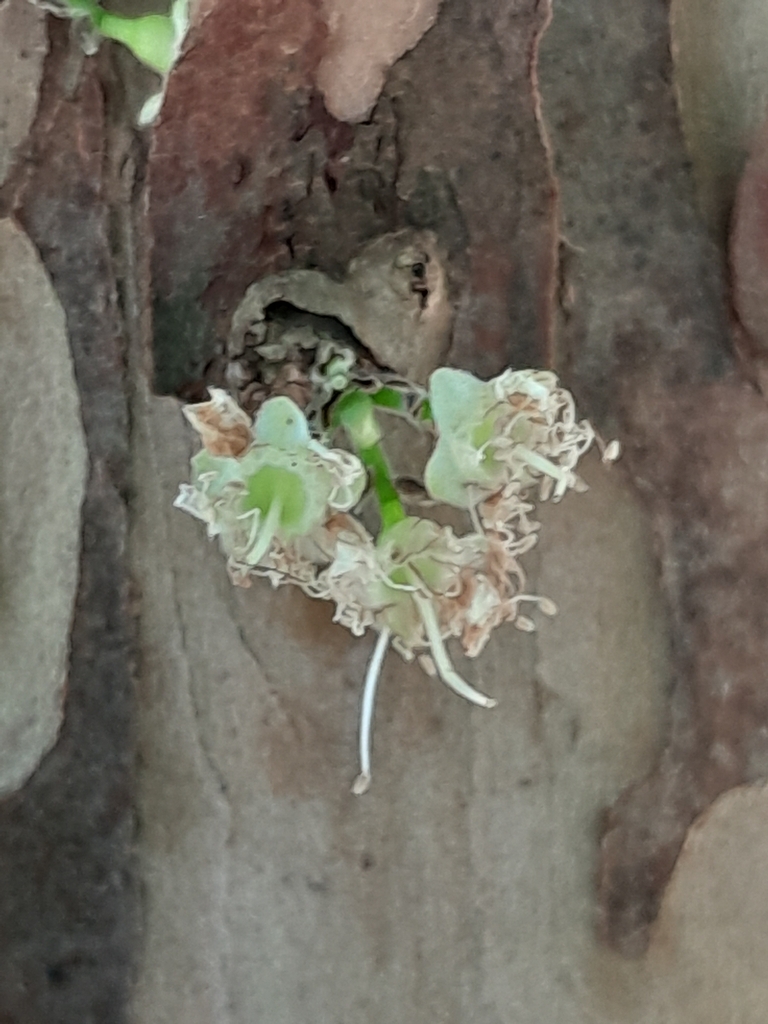
- Small white flowers on bark
- Glossy lance shaped evergreen leaves
- Peeling light brown bark
- Altura
- 3 a 12m
- Anchura
- 2 a 6m
- Hojas
- dark green, bronze, evergreen
- Flores
- white, 1 a 2cm
- Frutos
- dark purple, black, Summer to autumn
Problemas frecuentes
- Rust — Fungal infection causing spots on leaves during humid weather.
- Aphids — Small insects that feed on new growth and flower buds.
Cómo cultivarla
- Propagación
- seed, cuttings, grafting
- Cuándo plantar
- spring, early summer
- Cuidados en invierno
- Move containers indoors or into a greenhouse before the first frost. Ensure the plant stays in a bright, humid location during the winter months.
- En maceta
- It grows well in large pots, requiring at least a 40 liter container for long term health.
Seed
- 1. Extract fresh seeds from ripe fruit.
- 2. Clean the pulp off the seeds.
- 3. Plant immediately in moist potting mix.
- 4. Keep warm and humid until germination.
Plant in a sheltered spot to protect the evergreen foliage from drying winds.
Buenas compañeras
- Cafeto — Both enjoy similar light and moisture conditions in the understory.
- Familia de las bromelias — These epiphytes thrive in the humid environment created by the tree canopy.
Especies parecidas
- Plinia aureana — A smaller relative with similar growth habits and fruit.
Ciencia
- Familia
- Myrtaceae
- Género
- Plinia
- Orden
- Myrtales
- Clase
- Magnoliopsida
- Distribución natural
- Southeastern Brazil
- Conservación
- It is not currently listed as endangered in its native range.
It thrives in the understory of tropical forests where it benefits from consistent moisture and dappled light.
- Valor para la fauna
- nectar source, fruit source for birds
- Polinizadores
- abejas, mariposas
- Usos
- culinary fruit, ornamental specimen, jam making, wine production
A lo largo del año
Indicadores ecológicos
- Salinidad
- 1/9
- Reacción del suelo
- 5/9
- Luz
- 6/9
- Temperatura
- 8/9
- Humedad
- 7/9
- Nutrientes
- 6/9
Taxonomía cotejada con GBIF.
Lo que más preguntan
- How long until it fruits?
- Seed grown trees can take 8 to 15 years to fruit.
- Can I grow it in a pot?
- Yes, it adapts well to large containers if pruned regularly.
De dónde viene el nombre
The name Plinia honors the Roman naturalist Pliny the Elder, while cauliflora describes its habit of flowering on the trunk.
Bueno saberlo
- The fruit is often compared to a grape in texture and flavor.
- It is a slow growing tree that can take years to bear fruit.
- The name refers to the fruit growing on the stem.
- It is a staple fruit in Brazilian markets.
¿Tu jabuticaba tiene mal aspecto?
Esta página es una guía general. Pocket Botanist diagnostica problemas a partir de una foto de tu propia planta, calcula el riego según tu luz y tus condiciones, y te avisa cuando toca cuidarla.
Esta guía se ha generado con IA y se ha cotejado con la taxonomía de GBIF. Es información general, no asesoramiento botánico ni veterinario. Descubre cómo elaboramos estas guías.