 Pocket Botanist
Guide botanique
Figuier commun.
Ficus carica
Prononciation FY-kus KAR-ih-kuh
Aussi appelée Figuier commun, Figuier, Figuier cultivé, Ficus carica



Le figuier commun est un bel arbre caduc connu pour son fruit sucré et comestible ainsi que ses feuilles lobées. Il prospère dans les climats chauds et peut être cultivé en pot dans les régions plus fraîches. Vous adorerez le charme méditerranéen qu'il apporte à votre jardin ou à votre patio.
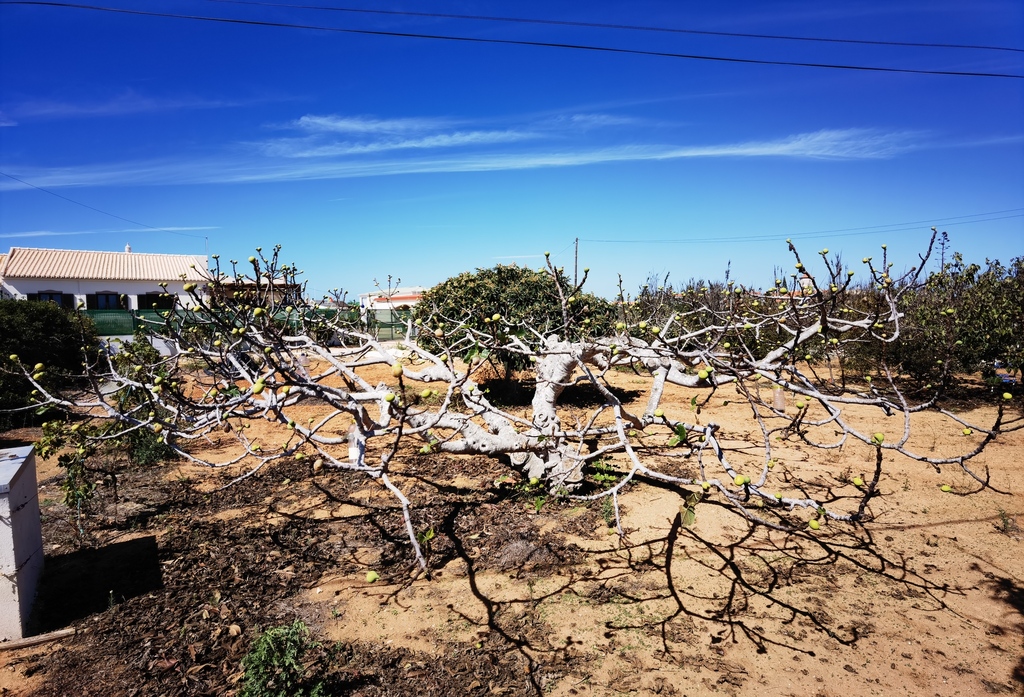
En un coup d'œil
- Niveau d'entretien
- Moyenne
- Type de plante
- Arbre fruitier caduc
- Lumière
- Plein soleil
- Lumière en intérieur
- Soleil direct
- Arrosage
- Tous les 3 à 7 jours
- Taille adulte
- 3 à 10 mètres
- Croissance
- Moyenne
- Rusticité
- USDA 6 à 10
- Floraison
- Fin du printemps au début de l'été
Entretien
Fournissez beaucoup de soleil pour encourager la production de fruits et gardez le sol constamment humide pendant la saison de croissance. Surveillez les tétranyques ou les cochenilles sur la face inférieure des feuilles. Taillez à la fin de l'hiver pendant que l'arbre est dormant pour maintenir sa forme et améliorer la circulation de l'air.
- Arrosage
- Arrosez profondément lorsque les quelques centimètres supérieurs du sol semblent secs au toucher.
- Engrais
- Appliquez un engrais équilibré pendant la saison de croissance active, du printemps jusqu'au milieu de l'été.
- Taille
- Taillez pendant la dormance hivernale pour enlever le bois mort et encourager de nouvelles branches fruitières.
- Rempotage
- Rempotez tous les quelques années lorsque les racines deviennent trop serrées ou que l'arbre cesse de pousser vigoureusement.
- Sol
- Terre franche fertile et bien drainée
- pH du sol
- 6,0 à 7,8
- Température
- -12 à 40°C
- Humidité
- 40 à 70%
- Résistance à la sécheresse
- Élevée
- Durée de vie
- Pérenne, généralement de 30 à 50 ans.
- Parfum
- Léger
- Résistance aux chevreuils et lapins
- Moyenne
Signes qu'il faut rempoter
- Les racines sortent des trous de drainage.
- L'eau traverse le pot sans l'imbiber.
- Croissance ralentie pendant la saison active.
Sécurité
- Humains
- La sève laiteuse peut provoquer une irritation cutanée et une photosensibilité chez certaines personnes.
- Animaux
- La sève laiteuse peut provoquer une irritation de la peau et de la bouche des chats et des chiens si elle est ingérée ou touchée.
- Enfants
- La sève laiteuse est irritante pour la peau et les yeux, alors tenez les enfants à l'écart des tiges cassées.
- Allergènes de contact
- La sève laiteuse contient des furanocoumarines qui peuvent provoquer une dermatite de contact ou des cloques lors d'une exposition au soleil.
- Allergènes aéroportés
- Le pollen n'est généralement pas considéré comme un allergène important.
- Comestibilité
- Les fruits immatures et les feuilles contiennent une sève laiteuse qui peut causer une irritation importante de la bouche et de la gorge.
Comment l'identifier
- Feuilles profondément lobées, à nervures palmées
- Sève blanc laiteux dans les tiges
- Écorce lisse, grisâtre
- Fruits comestibles en forme de poire
- Surface de la feuille rugueuse au toucher
- Hauteur
- 3 à 9m
- Envergure
- 3 à 9m
- Feuilles
- vert, caduc
- Fleurs
- vert, 1 à 2cm
- Fruits
- violet, brun, vert, Fin de l'été à l'automne
Problèmes à surveiller
- Cétoine verte du figuierCourant
- Œil de paon de l'olivierCourant
- Rouille du figuierCourant
- Chute des feuillesPeu courant
- CochenillesPeu courant
- FumaginePeu courant
- Pourriture des racinesPeu courant
- VerticilliosePeu courant
- Coléoptère du figuier — Ces coléoptères se nourrissent des fruits mûrs, causant des dommages et attirant d'autres nuisibles.
Par symptôme
Vérifie la santé de ta plante en photo
Pocket Botanist analyse une photo de ta plante et te dit ce qui ne va pas et quoi essayer en premier.
La cultiver
- Multiplication
- boutures, marcottage, division
- Quand planter
- printemps, automne
- Hivernage
- Dans les climats froids, déplacez les figuiers en pot dans un garage ou un abri non chauffé une fois que les feuilles sont tombées. S'ils sont plantés en pleine terre, enveloppez le tronc de toile de jute ou de paille pour le protéger des vents d'hiver rigoureux.
- En pot
- Les figuiers poussent très bien dans de grands conteneurs, ce qui aide également à limiter leur taille et encourage la production de fruits.
Boutures de bois dur
- 1. Prélevez une bouture de 20 cm à la fin de l'hiver pendant que l'arbre est dormant.
- 2. Trempez la base dans de l'hormone d'enracinement.
- 3. Plantez dans un pot avec un sol bien drainé.
- 4. Gardez dans un endroit frais et lumineux jusqu'à l'apparition de la croissance printanière.
Plantez des herbes méditerranéennes tolérantes à la sécheresse sous le couvert pour profiter au maximum des conditions de sol sec.
Bonnes associations
Espèces similaires
- Ficus pumila — C'est une espèce apparentée mais qui pousse comme une vigne plutôt qu'un arbre.
Science
- Famille
- Moraceae
- Genre
- Ficus
- Ordre
- Rosales
- Classe
- Magnoliopsida
- Région d'origine
- Région méditerranéenne et Asie occidentale.
- Préservation
- Pas de préoccupation de conservation.
Les figuiers s'adaptent très bien aux sols rocheux et secs, et prospèrent dans les régions aux étés longs et chauds.
- Intérêt pour la faune
- fournit un abri aux oiseaux, source de fruits pour la faune
- Pollinisateurs
- wasps
- Utilisations
- fruit culinaire, spécimen ornemental, plante en pot
Au fil des saisons
Repères écologiques
- Salinité
- 3/9
- Lumière
- 8/9
- Humidité
- 4/9
- Nutriments
- 5/9
- Réaction du sol
- 6/9
- Température
- 7/9
Taxonomie vérifiée avec le GBIF.
Ce qu'on demande souvent
- Ai-je besoin de deux arbres pour obtenir des fruits ?
- La plupart des variétés courantes dans les jardins sont autofertiles et ne nécessitent pas d'un second arbre.
- Pourquoi mon arbre ne produit-il pas de fruits ?
- Il est peut-être trop jeune, ou il reçoit trop d'engrais azoté, ce qui favorise les feuilles au lieu des fruits.
D'où vient le nom
Le nom du genre Ficus est le mot latin pour figuier, tandis que le nom de l'espèce carica fait référence à la Carie, une ancienne région d'Asie Mineure.
Bon à savoir
- Les figues sont cultivées depuis des milliers d'années.
- Ce sont parmi les rares plantes qui peuvent être cultivées avec succès dans de grands conteneurs.
- La guêpe du figuier est essentielle à la pollinisation de nombreuses variétés sauvages de figuiers.
Aussi dans
Garde ta plante en pleine forme
Cette page est un guide général. Enregistre ta plante dans Pocket Botanist et tu reçois des rappels d'entretien adaptés à cette plante, ainsi qu'un historique d'entretien qui montre ce qui a marché.
Ce guide a été généré par IA et vérifié avec la taxonomie du GBIF. Il s'agit d'informations générales, et non de conseils horticoles ou vétérinaires. Découvre comment nous concevons ces guides.