 Pocket Botanist
Guía de plantas
Higuera común.
Ficus carica
Pronunciación FY-kus KAR-ih-kuh
También se conoce como Higuera común, Higuera, Higo, Árbol de higo



La higuera común es un árbol hermoso y de hoja caduca conocido por su dulce fruta comestible y sus hojas lobuladas. Prospera en climas cálidos y se puede cultivar en macetas en regiones más frías. Te encantará el encanto mediterráneo que aporta a tu jardín o patio.
De un vistazo
- Nivel de cuidados
- Media
- Tipo de planta
- Árbol frutal de hoja caduca
- Luz
- Pleno sol
- Luz en interior
- Sol directo
- Riego
- Cada 3 a 7 días
- Tamaño adulto
- 3 a 10 metros
- Ritmo de crecimiento
- Medio
- Rusticidad
- USDA 6 a 10
- Floración
- Finales de primavera a principios de verano
Cuidados
Proporcione mucha luz solar para fomentar la producción de frutos y mantenga la tierra constantemente húmeda durante la temporada de crecimiento. Esté atento a las arañas rojas o cochinillas en el envés de las hojas. Pode a finales de invierno mientras el árbol está inactivo para mantener la forma y mejorar la circulación del aire.
- Riego
- Riegue profundamente cuando los primeros centímetros de la tierra se sientan secos al tacto.
- Abonado
- Aplique un fertilizante equilibrado durante la temporada de crecimiento activo, desde la primavera hasta mediados de verano.
- Poda
- Pode durante la latencia invernal para eliminar la madera muerta y fomentar nuevas ramas fructíferas.
- Trasplante
- Trasplante cada pocos años cuando las raíces estén apretadas o el árbol deje de crecer vigorosamente.
- Suelo
- Franco fértil y bien drenado
- pH del suelo
- 6.0 a 7.8
- Temperatura
- -12 a 40°C
- Humedad
- 40 a 70%
- Tolerancia a la sequía
- Alta
- Longevidad
- Perenne, típicamente de 30 a 50 años.
- Fragancia
- Suave
- Resistencia a ciervos y conejos
- Moderada
Señales de que necesita trasplante
- Las raíces crecen fuera de los agujeros de drenaje.
- El agua pasa directamente a través de la maceta sin empaparse.
- Crecimiento atrofiado durante la temporada activa.
Seguridad
- Personas
- La savia lechosa puede causar irritación en la piel y fotosensibilidad en algunas personas.
- Mascotas
- La savia lechosa puede causar irritación en la piel y la boca de gatos y perros si se ingiere o se toca.
- Niños
- La savia lechosa es irritante para la piel y los ojos, así que mantén a los niños alejados de los tallos rotos.
- Alérgenos por contacto
- La savia lechosa contiene furanocumarinas que pueden causar dermatitis de contacto o ampollas cuando se exponen a la luz solar.
- Alérgenos en el aire
- El polen generalmente no se considera un alérgeno significativo.
- Comestibilidad
- La fruta inmadura y las hojas contienen una savia lechosa que puede causar irritación significativa en la boca y la garganta.
Cómo identificarla
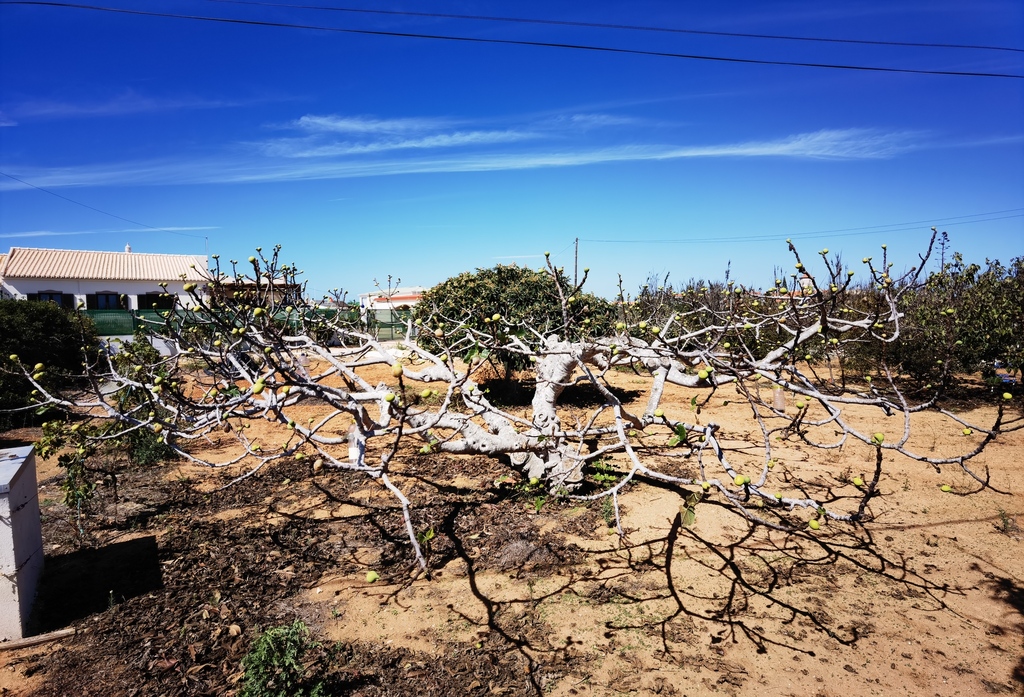
- Hojas palmeadas profundamente lobuladas y con nervaduras palmadas
- Savila blanca lechosa en los tallos
- Corteza grisácea y lisa
- Frutos comestibles con forma de pera
- Superficie de la hoja de textura rugosa
- Altura
- 3 a 9m
- Anchura
- 3 a 9m
- Hojas
- verde, caducifolio
- Flores
- verde, 1 a 2cm
- Frutos
- púrpura, marrón, verde, Finales de verano a otoño
Problemas a vigilar
- Escarabajo verde de la higueraComún
- Repilo del olivoComún
- Roya de la higueraComún
- Caída de hojasPoco común
- CochinillasPoco común
- NegrillaPoco común
- Podredumbre radicularPoco común
- VerticilosisPoco común
- Roya del higo — Aparecen pequeñas manchas amarillas o marrones en las hojas, que a menudo provocan la caída prematura de las mismas.
- Escarabajo del higo — Estos escarabajos se alimentan de la fruta madura, causando daños y atrayendo a otras plagas.
Por síntoma
Revisa tu higuera común con una foto
Pocket Botanist mira una foto de tu planta y te dice qué le pasa y qué probar primero.
Cómo cultivarla
- Propagación
- esquejes, acodo, división
- Cuándo plantar
- primavera, otoño
- Cuidados en invierno
- En climas fríos, traslada los higos en maceta a un garaje o cobertizo sin calefacción una vez que se caigan las hojas. Si está plantado en el suelo, envuelve el tronco con arpillera o paja para protegerlo de los vientos invernales fuertes.
- En maceta
- Los higos crecen muy bien en recipientes grandes, lo que también ayuda a restringir su tamaño y fomenta la producción de frutos.
Esquejes de leña dura
- 1. Toma un esqueje de 20 cm a finales de invierno mientras el árbol está inactivo.
- 2. Moja la base en hormona de enraizamiento.
- 3. Planta en una maceta con tierra bien drenada.
- 4. Mantenlo en un lugar fresco y luminoso hasta que aparezca el crecimiento primaveral.
Planta hierbas mediterráneas tolerantes a la sequía debajo del dosel para aprovechar al máximo las condiciones de suelo seco.
Buenas compañeras
Especies parecidas
- Ficus pumila — Es una especie relacionada pero crece como una enredadera en lugar de un árbol.
Ciencia
- Familia
- Moraceae
- Género
- Ficus
- Orden
- Rosales
- Clase
- Magnoliopsida
- Distribución natural
- Región mediterránea y Asia occidental.
- Conservación
- No es de preocupación para la conservación.
Las higueras son muy adaptables a suelos rocosos y secos y prosperan en zonas con veranos largos y calurosos.
- Valor para la fauna
- proporciona refugio para las aves, fuente de alimento para la vida silvestre
- Polinizadores
- wasps
- Usos
- fruta culinaria, espécimen ornamental, planta de contenedor
A lo largo del año
Indicadores ecológicos
- Salinidad
- 3/9
- Luz
- 8/9
- Humedad
- 4/9
- Nutrientes
- 5/9
- Reacción del suelo
- 6/9
- Temperatura
- 7/9
Taxonomía cotejada con GBIF.
Lo que más preguntan
- Necesito dos árboles para obtener fruta?
- La mayoría de las variedades comunes de jardín son autofértiles y no requieren un segundo árbol.
- Por qué mi árbol no da frutos?
- Puede que sea demasiado joven, o que esté recibiendo demasiado fertilizante de nitrógeno, lo que favorece las hojas en lugar de los frutos.
De dónde viene el nombre
El nombre del género Ficus es la palabra latina para higo, mientras que el nombre de la especie carica se refiere a Caria, una antigua región de Asia Menor.
Bueno saberlo
- Las higueras se han cultivado durante miles de años.
- Son una de las pocas plantas que se pueden cultivar con éxito en recipientes grandes.
- La avispa del higo es esencial para la polinización de muchas variedades de higos silvestres.
También en
Que tu higuera común siga creciendo
Esta página es una guía general. Guarda tu planta en Pocket Botanist y tendrás recordatorios de cuidado pensados para esta planta, además de un historial de cuidados que muestra qué ha funcionado.
Esta guía se ha generado con IA y se ha cotejado con la taxonomía de GBIF. Es información general, no asesoramiento botánico ni veterinario. Descubre cómo elaboramos estas guías.