 Pocket Botanist
Guide botanique
Monkey face orchid.
Dracula simia
Prononciation DRAK-yoo-luh SIM-ee-uh
Aussi appelée Monkey-Face Orchid


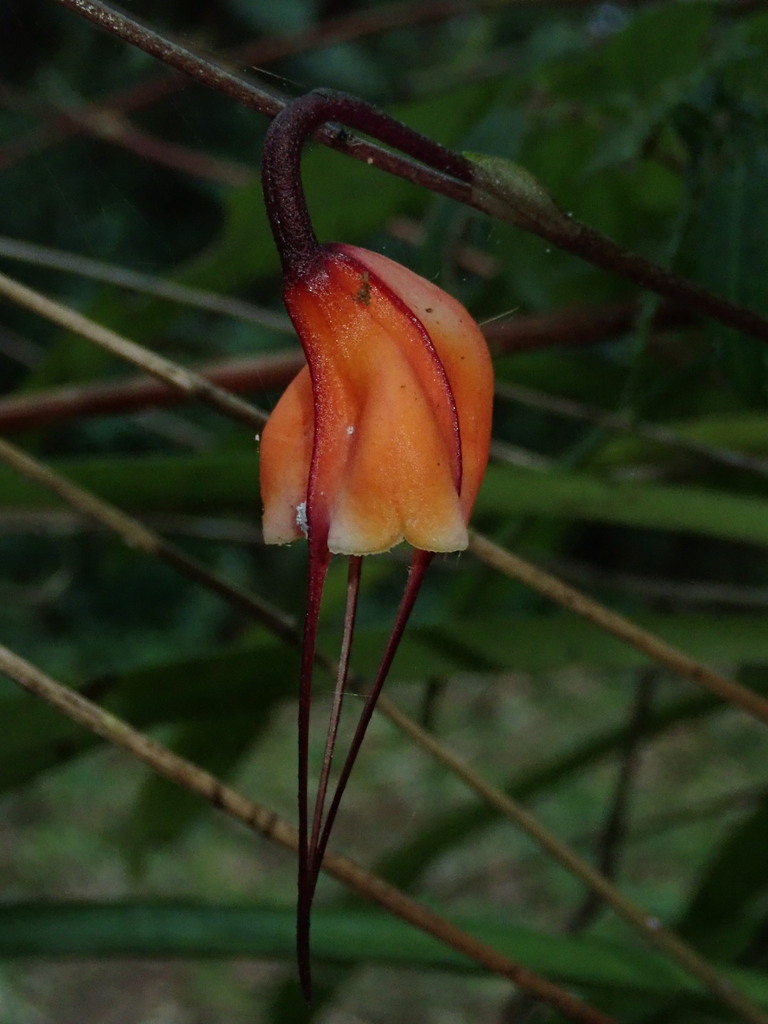
This fascinating orchid is famous for its blooms that look just like a monkey face. It hails from the cloud forests of Ecuador and Peru where it loves cool, humid conditions. You will find it is a bit of a challenge to grow in a typical home environment.
En un coup d'œil
- Niveau d'entretien
- Difficile
- Type de plante
- Epiphytic orchid
- Lumière
- Filtered shade
- Lumière en intérieur
- Lumière vive indirecte
- Arrosage
- Tous les 3 à 7 jours
- Taille adulte
- 12 to 18 inches
- Croissance
- Lente
- Rusticité
- USDA 10 à 12
- Floraison
- Year round
Entretien
Keep this plant in a cool spot with very high humidity and constant air movement to prevent rot. Watch for yellowing leaves or shriveled pseudobulbs, which signal that the plant is stressed by heat or dry air. Always use distilled or rain water to avoid mineral buildup.
- Arrosage
- Keep the potting medium consistently moist but never soggy.
- Engrais
- Use a weak, balanced orchid fertilizer during the active growing season.
- Taille
- Remove spent flower spikes or dead leaves with sterile shears.
- Rempotage
- Repot only when the medium breaks down or the plant outgrows its basket.
- Sol
- Sphagnum moss or bark mix
- pH du sol
- 5.5 to 6.5
- Température
- 10 à 22°C
- Humidité
- 70 à 90%
- Résistance à la sécheresse
- Faible
- Durée de vie
- Perennial, typically 5 to 10 years
- Parfum
- Léger
- Résistance aux chevreuils et lapins
- Moyenne
Signes qu'il faut rempoter
- The potting medium has broken down.
- The plant has outgrown its basket.
- New growth is pushing over the edge.
Sécurité
- Humains
- There are no reports of toxicity, but it is not intended for human consumption.
- Enfants
- The plant is not toxic, but the delicate structure can be damaged by curious children.
- Comestibilité
- This plant is not edible and should not be consumed.
Comment l'identifier
- Flowers resemble monkey faces
- Long, tail like sepal tips
- Deeply textured, hairy petals
- Bright green, lance shaped leaves
- Hauteur
- 0,2 à 0,4m
- Envergure
- 0,15 à 0,3m
- Feuilles
- green, evergreen
- Fleurs
- brown, orange, yellow, 5 à 15cm
Problèmes courants
- Root rot — Caused by overwatering or poor drainage in the potting medium.
- Aphids — Small insects that suck sap from new growth and flower buds.
La cultiver
- Multiplication
- division
- Quand planter
- spring, autumn
- Hivernage
- Keep the plant in a consistently cool environment with high humidity throughout the winter months.
- En pot
- It is best grown in specialized hanging baskets or wooden slat baskets to allow the downward facing flower spikes to emerge.
Division
- Wait until the plant has grown into a large clump.
- Gently remove the plant from its basket.
- Carefully tease the roots apart to separate the plant into smaller sections.
- Repot each section into a fresh, well draining orchid mix.
Group with other moisture loving epiphytes to create a microclimate with high humidity.
Bonnes associations
- Polypodiopsida — They enjoy similar high humidity and low light conditions.
- Bryophyta — It helps maintain the high humidity levels around the roots.
Espèces similaires
- Dracula vampira — It is a closely related species with similar growth habits and flower structure.
Science
- Famille
- Orchidaceae
- Genre
- Dracula
- Ordre
- Asparagales
- Classe
- Liliopsida
- Région d'origine
- Cloud forests of Ecuador and Peru.
- Préservation
- It is considered vulnerable in the wild due to habitat loss and illegal collection.
It grows as an epiphyte on trees in high altitude, misty cloud forests.
- Intérêt pour la faune
- nectar source
- Pollinisateurs
- flies
- Utilisations
- ornamental, botanical collection
Au fil des saisons
Repères écologiques
- Salinité
- 1/9
- Réaction du sol
- 5/9
- Lumière
- 2/9
- Température
- 2/9
- Humidité
- 8/9
- Nutriments
- 2/9
Taxonomie vérifiée avec le GBIF.
Ce qu'on demande souvent
- Is this plant easy to grow?
- It is considered challenging because it requires very specific cool temperatures and high humidity.
- Can I grow this in a normal house?
- It is very difficult to maintain the required cool, humid conditions in a standard home environment.
D'où vient le nom
The name Dracula refers to the dragon like spurs on the sepals, while simia means monkey, referencing the face like pattern on the flower.
Bon à savoir
- The flowers can bloom at any time of the year.
- The genus name Dracula refers to the dragon like appearance of the long sepals.
- It is native to the cloud forests of Ecuador and Peru.
- The scent of the flower mimics a mushroom to attract its specific pollinators.
Aussi dans
Ta plante a mauvaise mine ?
Cette page est un guide général. Pocket Botanist diagnostique les problèmes directement à partir d'une photo de ta plante, adapte l'arrosage à sa luminosité et te prévient quand il faut t'en occuper.
Ce guide a été généré par IA et vérifié avec la taxonomie du GBIF. Il s'agit d'informations générales, et non de conseils horticoles ou vétérinaires. Découvre comment nous concevons ces guides.