 Pocket Botanist
Guía de plantas
Monkey face orchid.
Dracula simia
Pronunciación DRAK-yoo-luh SIM-ee-uh
También se conoce como Monkey-Face Orchid


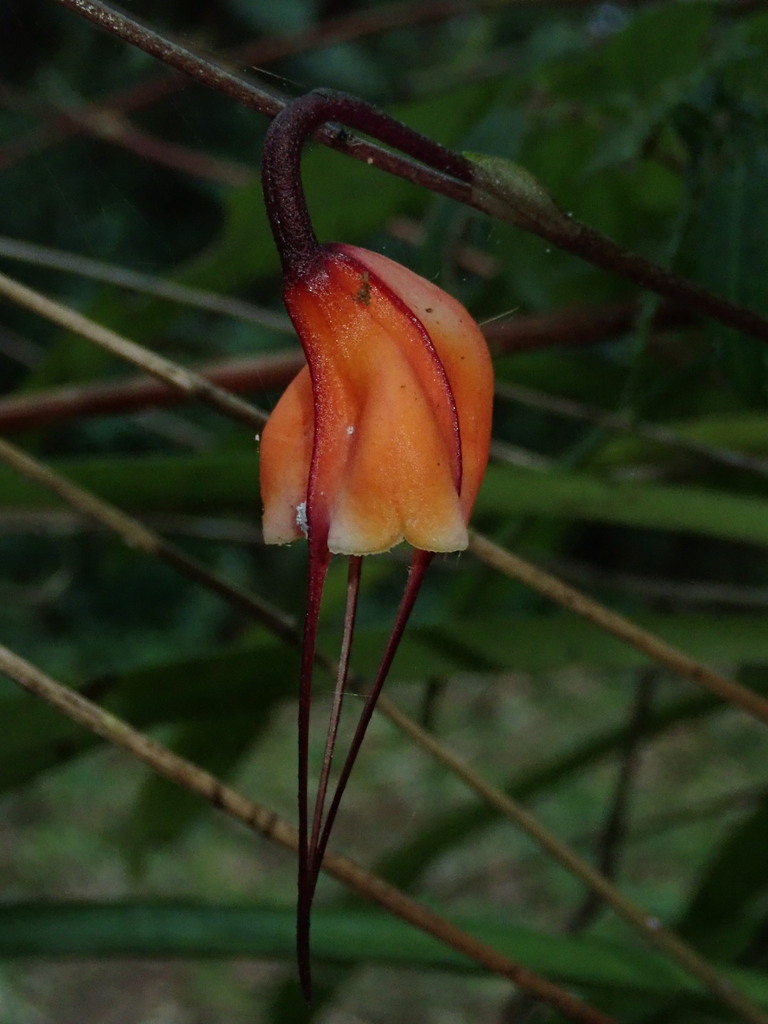
This fascinating orchid is famous for its blooms that look just like a monkey face. It hails from the cloud forests of Ecuador and Peru where it loves cool, humid conditions. You will find it is a bit of a challenge to grow in a typical home environment.
De un vistazo
- Nivel de cuidados
- Difícil
- Tipo de planta
- Epiphytic orchid
- Luz
- Filtered shade
- Luz en interior
- Luz indirecta brillante
- Riego
- Cada 3 a 7 días
- Tamaño adulto
- 12 to 18 inches
- Ritmo de crecimiento
- Lento
- Rusticidad
- USDA 10 a 12
- Floración
- Year round
Cuidados
Keep this plant in a cool spot with very high humidity and constant air movement to prevent rot. Watch for yellowing leaves or shriveled pseudobulbs, which signal that the plant is stressed by heat or dry air. Always use distilled or rain water to avoid mineral buildup.
- Riego
- Keep the potting medium consistently moist but never soggy.
- Abonado
- Use a weak, balanced orchid fertilizer during the active growing season.
- Poda
- Remove spent flower spikes or dead leaves with sterile shears.
- Trasplante
- Repot only when the medium breaks down or the plant outgrows its basket.
- Suelo
- Sphagnum moss or bark mix
- pH del suelo
- 5.5 to 6.5
- Temperatura
- 10 a 22°C
- Humedad
- 70 a 90%
- Tolerancia a la sequía
- Baja
- Longevidad
- Perennial, typically 5 to 10 years
- Fragancia
- Suave
- Resistencia a ciervos y conejos
- Moderada
Señales de que necesita trasplante
- The potting medium has broken down.
- The plant has outgrown its basket.
- New growth is pushing over the edge.
Seguridad
- Personas
- There are no reports of toxicity, but it is not intended for human consumption.
- Niños
- The plant is not toxic, but the delicate structure can be damaged by curious children.
- Comestibilidad
- This plant is not edible and should not be consumed.
Cómo identificarla
- Flowers resemble monkey faces
- Long, tail like sepal tips
- Deeply textured, hairy petals
- Bright green, lance shaped leaves
- Altura
- 0,2 a 0,4m
- Anchura
- 0,15 a 0,3m
- Hojas
- green, evergreen
- Flores
- brown, orange, yellow, 5 a 15cm
Problemas frecuentes
- Root rot — Caused by overwatering or poor drainage in the potting medium.
- Aphids — Small insects that suck sap from new growth and flower buds.
Cómo cultivarla
- Propagación
- division
- Cuándo plantar
- spring, autumn
- Cuidados en invierno
- Keep the plant in a consistently cool environment with high humidity throughout the winter months.
- En maceta
- It is best grown in specialized hanging baskets or wooden slat baskets to allow the downward facing flower spikes to emerge.
Division
- Wait until the plant has grown into a large clump.
- Gently remove the plant from its basket.
- Carefully tease the roots apart to separate the plant into smaller sections.
- Repot each section into a fresh, well draining orchid mix.
Group with other moisture loving epiphytes to create a microclimate with high humidity.
Buenas compañeras
- Polypodiopsida — They enjoy similar high humidity and low light conditions.
- Bryophyta — It helps maintain the high humidity levels around the roots.
Especies parecidas
- Dracula vampira — It is a closely related species with similar growth habits and flower structure.
Ciencia
- Familia
- Orchidaceae
- Género
- Dracula
- Orden
- Asparagales
- Clase
- Liliopsida
- Distribución natural
- Cloud forests of Ecuador and Peru.
- Conservación
- It is considered vulnerable in the wild due to habitat loss and illegal collection.
It grows as an epiphyte on trees in high altitude, misty cloud forests.
- Valor para la fauna
- nectar source
- Polinizadores
- flies
- Usos
- ornamental, botanical collection
A lo largo del año
Indicadores ecológicos
- Salinidad
- 1/9
- Reacción del suelo
- 5/9
- Luz
- 2/9
- Temperatura
- 2/9
- Humedad
- 8/9
- Nutrientes
- 2/9
Taxonomía cotejada con GBIF.
Lo que más preguntan
- Is this plant easy to grow?
- It is considered challenging because it requires very specific cool temperatures and high humidity.
- Can I grow this in a normal house?
- It is very difficult to maintain the required cool, humid conditions in a standard home environment.
De dónde viene el nombre
The name Dracula refers to the dragon like spurs on the sepals, while simia means monkey, referencing the face like pattern on the flower.
Bueno saberlo
- The flowers can bloom at any time of the year.
- The genus name Dracula refers to the dragon like appearance of the long sepals.
- It is native to the cloud forests of Ecuador and Peru.
- The scent of the flower mimics a mushroom to attract its specific pollinators.
También en
¿Tu monkey face orchid tiene mal aspecto?
Esta página es una guía general. Pocket Botanist diagnostica problemas a partir de una foto de tu propia planta, calcula el riego según tu luz y tus condiciones, y te avisa cuando toca cuidarla.
Esta guía se ha generado con IA y se ha cotejado con la taxonomía de GBIF. Es información general, no asesoramiento botánico ni veterinario. Descubre cómo elaboramos estas guías.