 Pocket Botanist
Guide botanique
Dracaena sanderiana.
Dracaena sanderiana
Prononciation drah-SEE-nah san-der-ee-AH-nah
Aussi appelée Belgian evergreen, Dracaena sanderiana, Dracaena sanderiana


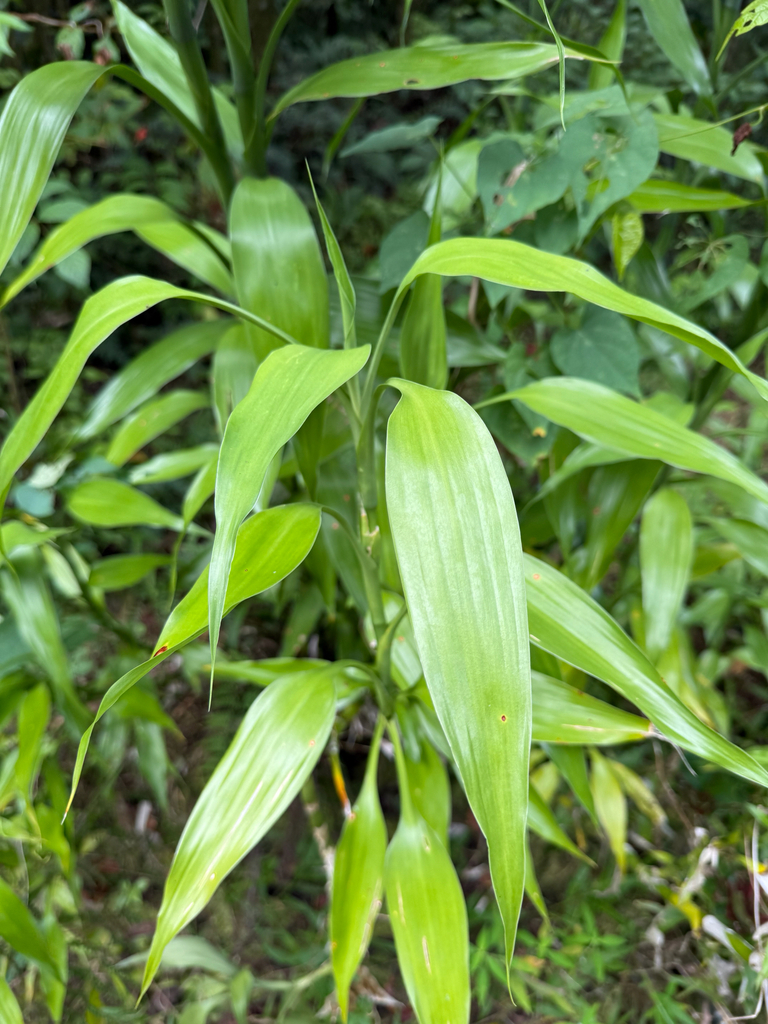
Le bambou de la chance est une plante d'intérieur populaire souvent cultivée dans l'eau ou la terre. Elle est connue pour sa résilience et sa capacité à prospérer dans diverses conditions intérieures. Beaucoup de gens la gardent pour son association symbolique avec la bonne fortune.
En un coup d'œil
- Niveau d'entretien
- Facile
- Type de plante
- Plante vivace tropicale
- Lumière
- Une lumière vive et indirecte est préférable.
- Lumière en intérieur
- Lumière moyenne
- Arrosage
- Tous les 7 à 14 jours
- Taille adulte
- 3 pieds
- Croissance
- Moyenne
- Rusticité
- USDA 10 à 12
- Floraison
- Fleurit rarement à l'intérieur
Entretien
Gardez votre plante dans un endroit lumineux, à l'abri de la lumière directe du soleil pour éviter le jaunissement des feuilles. Si vous la cultivez dans l'eau, changez-la toutes les quelques semaines pour la garder fraîche et claire. Surveillez les pointes brunes des feuilles, qui signalent souvent une faible humidité ou une accumulation de minéraux dans l'eau du robinet.
- Arrosage
- Gardez les racines submergées dans l'eau ou le sol constamment humide mais pas détrempé.
- Engrais
- Utilisez un engrais liquide très dilué pendant la saison de croissance.
- Taille
- Taillez les feuilles jaunies ou les tiges envahies pour maintenir la forme désirée.
- Rempotage
- Rafraîchissez le terreau ou nettoyez le récipient lorsque les racines deviennent trop serrées.
- Sol
- Terreau bien drainant ou eau
- pH du sol
- 6,0 à 6,5
- Température
- 15 à 27°C
- Humidité
- 40 à 60%
- Résistance à la sécheresse
- Faible
- Durée de vie
- Vivace, généralement 5 à 10 ans
- Résistance aux chevreuils et lapins
- Moyenne
Signes qu'il faut rempoter
- Racines tournant au fond du pot
- Croissance ralentie
- L'eau s'écoule trop rapidement
Sécurité
- Humains
- La plante contient des saponines qui peuvent provoquer une irritation en cas d'ingestion.
- Animaux
- Cette plante est toxique pour les chats et les chiens si ingérée.
- Enfants
- Gardez cette plante hors de portée des jeunes enfants car les feuilles peuvent présenter un risque d'étouffement et leur ingestion est nocive.
- Allergènes de contact
- La sève peut provoquer une légère irritation cutanée chez les personnes sensibles.
- Allergènes aéroportés
- Il n'y a pas d'allergènes respiratoires notables associés à cette plante.
- Comestibilité
- Cette plante n'est pas destinée à la consommation et peut provoquer une détresse digestive en cas d'ingestion.
Comment l'identifier
- tiges segmentées semblables à du bambou vert
- feuilles étroites en forme de lance
- souvent cultivée dans des récipients décoratifs remplis d'eau
- peut être façonnée en spirales
- Hauteur
- 0,3 à 1m
- Envergure
- 0,15 à 0,4m
- Feuilles
- vert, blanc, evergreen
- Fleurs
- blanc, 0cm
Problèmes à surveiller
- Brûlure de la pointe des feuillesCourant
- TétranyquesCourant
- Cochenilles farineusesPeu courant
- Pourriture des racinesPeu courant
- Pointe des feuilles brûlées — Généralement causé par le fluorure ou le chlore dans l'eau du robinet.
- Acariens — Minuscules nuisibles qui prospèrent dans l'air intérieur sec.
Par symptôme
Vérifie la santé de ta plante en photo
Pocket Botanist analyse une photo de ta plante et te dit ce qui ne va pas et quoi essayer en premier.
La cultiver
- Multiplication
- boutures
- Quand planter
- printemps, été
- Hivernage
- Gardez la plante à l'abri des courants d'air froids et des bouches de chauffage pendant l'hiver. Maintenez des températures intérieures constantes.
- En pot
- Il est excellent pour les conteneurs et souvent cultivé dans des vases en verre avec de l'eau et des cailloux.
Boutures de tige
- 1. Coupez une section de tige saine avec au moins un nœud.
- 2. Placez la bouture dans un récipient d'eau propre.
- 3. Changez l'eau chaque semaine pour la garder fraîche.
- 4. Attendez que les racines se développent avant de planter si vous le souhaitez.
Regroupez les plantes ayant des besoins d'humidité similaires pour créer un petit microclimat humide.
Bonnes associations
- Spathiphyllum — Ils partagent des exigences similaires en matière de lumière et d'humidité.
- Pothos doré — Les deux plantes prospèrent dans des environnements intérieurs similaires.
Espèces similaires
- Plante de maïs — C'est un parent plus grand avec des besoins de soins similaires.
- Dragonnier — Il partage le même genre et le même port général.
Science
- Famille
- Asparagaceae
- Genre
- Dracaena
- Ordre
- Asparagales
- Classe
- Liliopsida
- Région d'origine
- Afrique Centrale
- Préservation
- Cette espèce n'est pas actuellement menacée à l'état sauvage.
Il pousse dans le sous-bois des forêts tropicales humides où il reçoit une lumière filtrée.
- Utilisations
- décoration intérieure, présentation hydroponique, accent feng shui
Au fil des saisons
Repères écologiques
- Réaction du sol
- 6/9
- Lumière
- 3/9
- Humidité
- 6/9
- Salinité
- 2/9
- Nutriments
- 4/9
- Température
- 8/9
Taxonomie vérifiée avec le GBIF.
Ce qu'on demande souvent
- Pourquoi les feuilles jaunissent-elles ?
- C'est souvent dû à la lumière directe du soleil ou à un excès d'engrais.
- Puis-je le cultiver dans le sol ?
- Oui, il prospère dans un terreau bien drainé.
D'où vient le nom
Il a été nommé d'après le jardinier allemand Henry Frederick Conrad Sander, tandis que le nom du genre vient du mot grec drakaina signifiant dragon femelle.
Bon à savoir
- Il est souvent cultivé dans l'eau plutôt que dans le sol.
- C'est un cadeau populaire pour la bonne fortune.
- Il tolère bien les conditions de faible luminosité.
- Les tiges peuvent être façonnées en spirales.
Aussi dans
Garde ta plante en pleine forme
Cette page est un guide général. Enregistre ta plante dans Pocket Botanist et tu reçois des rappels d'entretien adaptés à cette plante, ainsi qu'un historique d'entretien qui montre ce qui a marché.
Ce guide a été généré par IA et vérifié avec la taxonomie du GBIF. Il s'agit d'informations générales, et non de conseils horticoles ou vétérinaires. Découvre comment nous concevons ces guides.