 Pocket Botanist
Guía de plantas
Bambú de la suerte.
Dracaena sanderiana
Pronunciación drah-SEE-nah san-der-ee-AH-nah
También se conoce como Belgian evergreen, bambú de la suerte, planta cinta


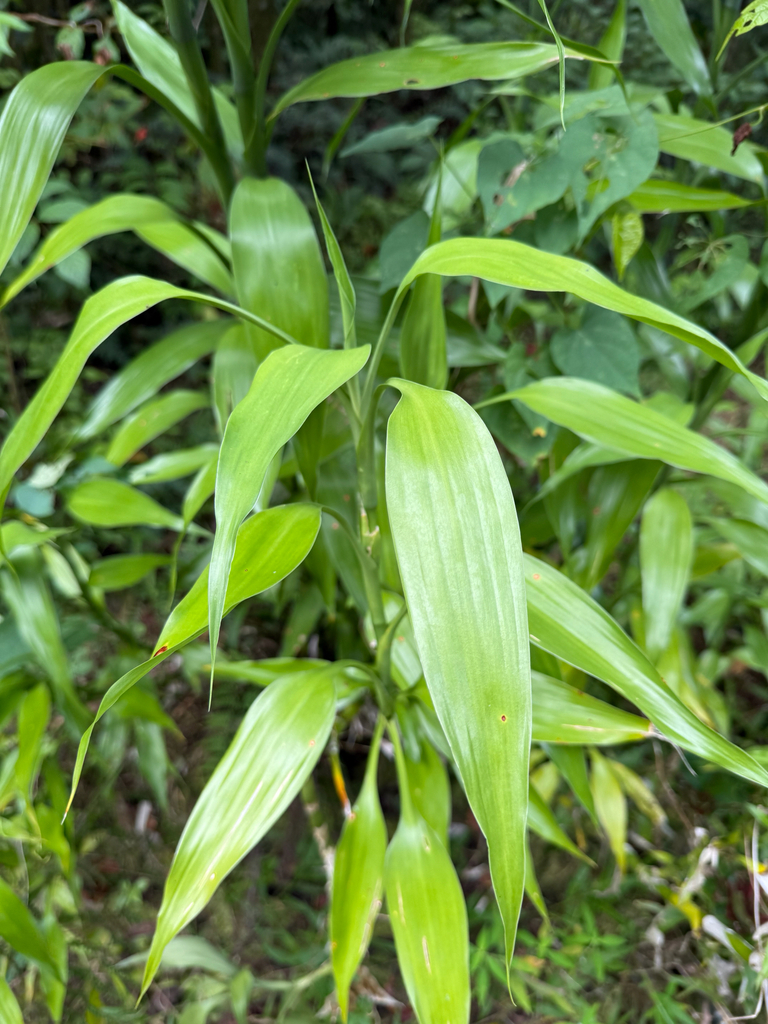
El bambú de la suerte es una planta de interior popular que a menudo se cultiva en agua o tierra. Es conocida por su resistencia y su capacidad para prosperar en diversas condiciones interiores. Mucha gente la tiene por su asociación simbólica con la buena fortuna.
De un vistazo
- Nivel de cuidados
- Fácil
- Tipo de planta
- Perenne tropical
- Luz
- La luz indirecta brillante es mejor.
- Luz en interior
- Luz media
- Riego
- Cada 7 a 14 días
- Tamaño adulto
- 3 pies
- Ritmo de crecimiento
- Medio
- Rusticidad
- USDA 10 a 12
- Floración
- Rara vez florece en interiores
Cuidados
Mantén tu planta a la luz brillante e indirecta para prevenir el amarillamiento de las hojas. Si la cultivas en agua, cámbiala cada pocas semanas para mantenerla fresca y clara. Observa las puntas marrones de las hojas, que a menudo señalan baja humedad o acumulación de minerales en el agua del grifo.
- Riego
- Mantén las raíces sumergidas en agua o la tierra constantemente húmeda pero no empapada.
- Abonado
- Usa un fertilizante líquido muy diluido durante la temporada de crecimiento.
- Poda
- Recorta las hojas amarillentas o los tallos demasiado crecidos para mantener la forma deseada.
- Trasplante
- Renueva la tierra o limpia el recipiente cuando las raíces estén apretadas.
- Suelo
- Sustrato para macetas bien drenado o agua
- pH del suelo
- 6.0 a 6.5
- Temperatura
- 15 a 27°C
- Humedad
- 40 a 60%
- Tolerancia a la sequía
- Baja
- Longevidad
- Perenne, típicamente de 5 a 10 años
- Resistencia a ciervos y conejos
- Moderada
Señales de que necesita trasplante
- Raíces dando vueltas en el fondo del contenedor
- Crecimiento atrofiado
- El agua drena demasiado rápido
Seguridad
- Personas
- La planta contiene saponinas que pueden causar irritación si se ingieren.
- Mascotas
- Esta planta es tóxica para gatos y perros si se ingiere.
- Niños
- Mantenga esta planta fuera del alcance de los niños pequeños, ya que las hojas pueden suponer un peligro de asfixia y su ingestión es perjudicial.
- Alérgenos por contacto
- La savia puede causar irritación leve de la piel en personas sensibles.
- Alérgenos en el aire
- No hay alérgenos respiratorios notables asociados con esta planta.
- Comestibilidad
- Esta planta no es para el consumo y puede causar malestar digestivo si se ingiere.
Cómo identificarla
- tallos verdes segmentados parecidos al bambú
- hojas estrechas en forma de lanza
- a menudo cultivada en recipientes decorativos con agua
- se puede entrenar en espirales
- Altura
- 0,3 a 1m
- Anchura
- 0,15 a 0,4m
- Hojas
- verde, blanco, perenne
- Flores
- blanco, 0cm
Problemas a vigilar
- Araña rojaComún
- Quemadura de las puntasComún
- Cochinillas algodonosasPoco común
- Podredumbre radicularPoco común
- Puntas de las hojas quemadas — Generalmente causada por flúor o cloro en el agua del grifo.
Por síntoma
Revisa tu bambú de la suerte con una foto
Pocket Botanist mira una foto de tu planta y te dice qué le pasa y qué probar primero.
Cómo cultivarla
- Propagación
- esquejes
- Cuándo plantar
- primavera, verano
- Cuidados en invierno
- Mantenga la planta alejada de corrientes de aire frío y rejillas de calefacción durante el invierno. Mantenga temperaturas interiores constantes.
- En maceta
- Es excelente para contenedores y a menudo se cultiva en jarrones de vidrio con agua y guijarros.
Esquejes de tallo
- 1. Corte una sección de tallo sana con al menos un nudo.
- 2. Coloque el esqueje en un recipiente con agua limpia.
- 3. Cambie el agua semanalmente para mantenerla fresca.
- 4. Espere a que se desarrollen las raíces antes de plantar si lo desea.
Agrupe plantas con necesidades de humedad similares para crear un pequeño microclima húmedo.
Buenas compañeras
- Spathiphyllum — Comparten requisitos similares de luz y humedad.
- Potos dorado — Ambas plantas prosperan en entornos interiores similares.
Especies parecidas
- Drácena marginata — Es un pariente más grande con necesidades de cuidado similares.
- Drácena — Comparte el mismo género y hábito de crecimiento general.
Ciencia
- Familia
- Asparagaceae
- Género
- Dracaena
- Orden
- Asparagales
- Clase
- Liliopsida
- Distribución natural
- África Central
- Conservación
- Esta especie no está amenazada actualmente en la naturaleza.
Crece en el sotobosque de las selvas tropicales donde recibe luz filtrada.
- Usos
- decoración de interiores, exhibición hidropónica, acento de feng shui
A lo largo del año
Indicadores ecológicos
- Reacción del suelo
- 6/9
- Luz
- 3/9
- Humedad
- 6/9
- Salinidad
- 2/9
- Nutrientes
- 4/9
- Temperatura
- 8/9
Taxonomía cotejada con GBIF.
Lo que más preguntan
- ¿Por qué las hojas se ponen amarillas?
- Esto suele deberse a la luz solar directa o a demasiados fertilizantes.
- ¿Puedo cultivarlo en tierra?
- Sí, prospera en una mezcla para macetas que drene bien.
De dónde viene el nombre
Recibió su nombre en honor al jardinero alemán Henry Frederick Conrad Sander, mientras que el nombre del género proviene de la palabra griega drakaina que significa dragones hembra.
Bueno saberlo
- A menudo se cultiva en agua en lugar de tierra.
- Es un regalo popular para la buena fortuna.
- Tolera bien las condiciones de poca luz.
- Los tallos se pueden entrenar en espirales.
También en
Que tu bambú de la suerte siga creciendo
Esta página es una guía general. Guarda tu planta en Pocket Botanist y tendrás recordatorios de cuidado pensados para esta planta, además de un historial de cuidados que muestra qué ha funcionado.
Esta guía se ha generado con IA y se ha cotejado con la taxonomía de GBIF. Es información general, no asesoramiento botánico ni veterinario. Descubre cómo elaboramos estas guías.